Thailand Finance Ministry Funds EV Public Transport Conversion
Thailand's Finance Ministry will subsidise public transport vehicle conversions to electric power, using emergency borrowing funds. The programme aims to cut fossil fuel reliance and boost clean energy adoption.
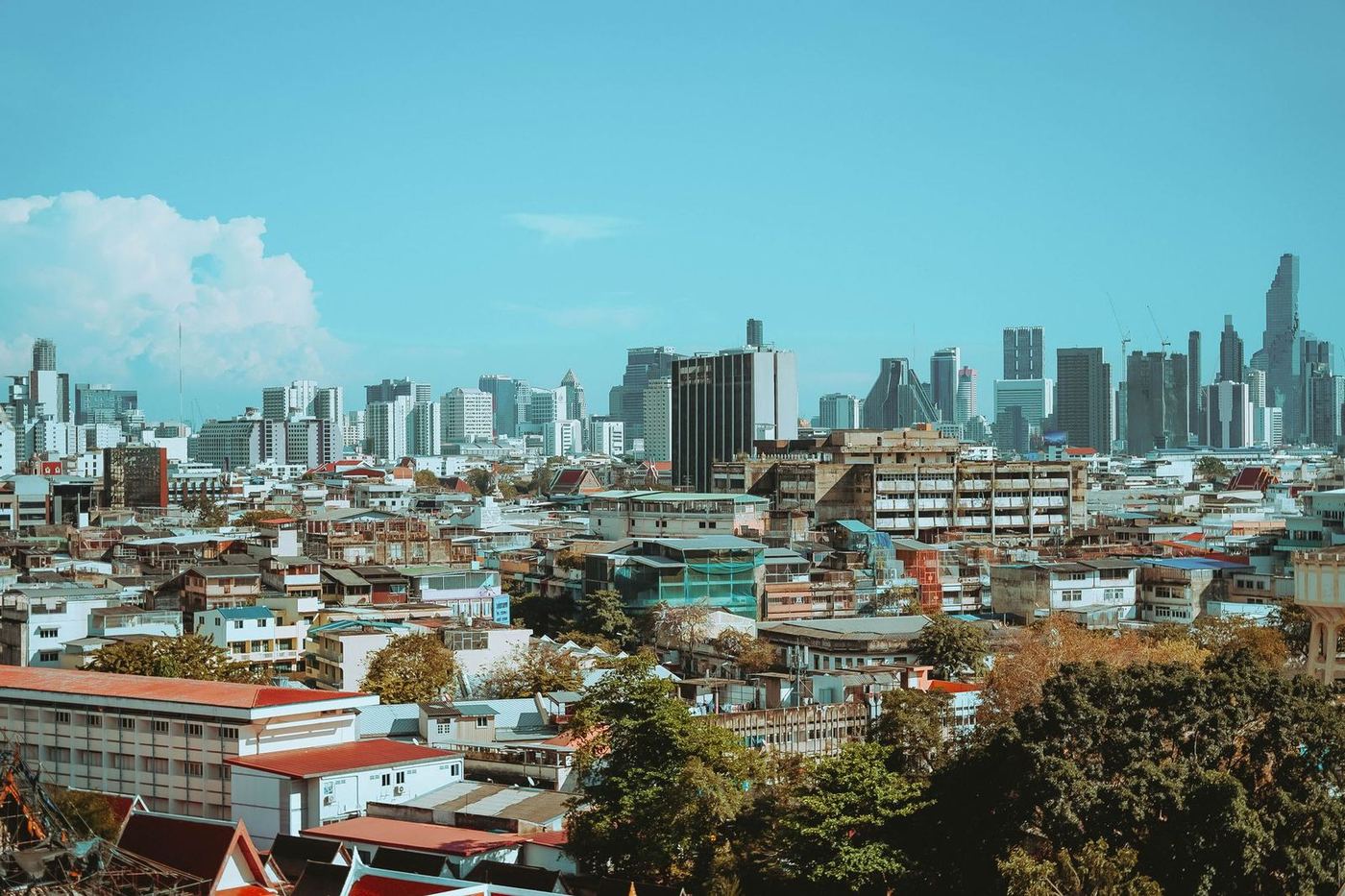
Subsidising Clean Transport
Thailand's Finance Ministry will subsidise the conversion of public service vehicles to electric power. Funds come from an emergency borrowing decree, Finance Minister Ekniti Nitithanprapas stated. This initiative targets intercity buses, taxis, and public vans. The programme aims to reduce fossil fuel dependency and encourage clean energy adoption.
It also supports domestic palm oil prices, improving farmers' incomes. This move aligns with broader efforts to transition Thailand's economy towards cleaner energy sources.
Programme Details and Requirements
An existing 3.5 EV support programme already provides a 50,000 baht subsidy for each electric vehicle purchased. A proposed scrapping scheme for old internal combustion engine vehicles is not yet under consideration. This is because the current EV support programme remains active.
Discussions continue with the Industry Ministry regarding the dismantling of retired vehicles into parts by private companies. Participating vehicles in the new subsidy programme must permanently retire their existing petrol-powered counterparts. They also require deregistration from the Department of Land Transport to prevent re-entry into service. The Transport Ministry will discuss specific details for this requirement.
Emergency Funding Allocation
The government issued an emergency borrowing decree, authorising 400 billion baht. This decision followed a recent energy crisis, stemming from the Middle East war, which adversely affected the Thai economy. The Finance Ministry revealed that the initial 200 billion baht supports economic relief programmes, including "Thai Chuay Thai Plus".
The remaining 200 billion baht is specifically allocated for the clean energy transition. A screening committee, chaired by the finance permanent secretary, oversees the use of these funds. It rigorously evaluates project proposals to ensure consistency with borrowing objectives and maximise public benefit.
Future Funding and Market Impact
An additional 30 billion baht in borrowing is scheduled over the next one to two months. If these funds remain unused, the government may reallocate them to support clean energy transition projects. All borrowed funds must be used cost-effectively and efficiently. Disbursements are required by September 2027.
This programme will drive demand for electric vehicles within Thailand's public transport sector. It creates direct opportunities for EV manufacturers and charging infrastructure providers. The government's clear commitment to greening its economy could attract further investment into sustainable transport solutions across Southeast Asia.
This article is journalism, not investment advice; consult a licensed professional before making financial decisions. Market data is indicative, may be delayed, and should be verified with your broker or exchange before use.
Comments.
Comments are moderated. We remove what is unlawful, abusive or off-topic, and and you remain responsible for what you post.
Reader comments open soon. Until then, corrections and responses go to our newsroom, and we publish what we get wrong on Corrections.