Sri Lanka expands water schemes amid Colombo contamination concerns
New community water supply projects by the Department of National Community Water Supply aim to complete 197 outstanding schemes by 2027, addressing two decades of urban water quality decline.
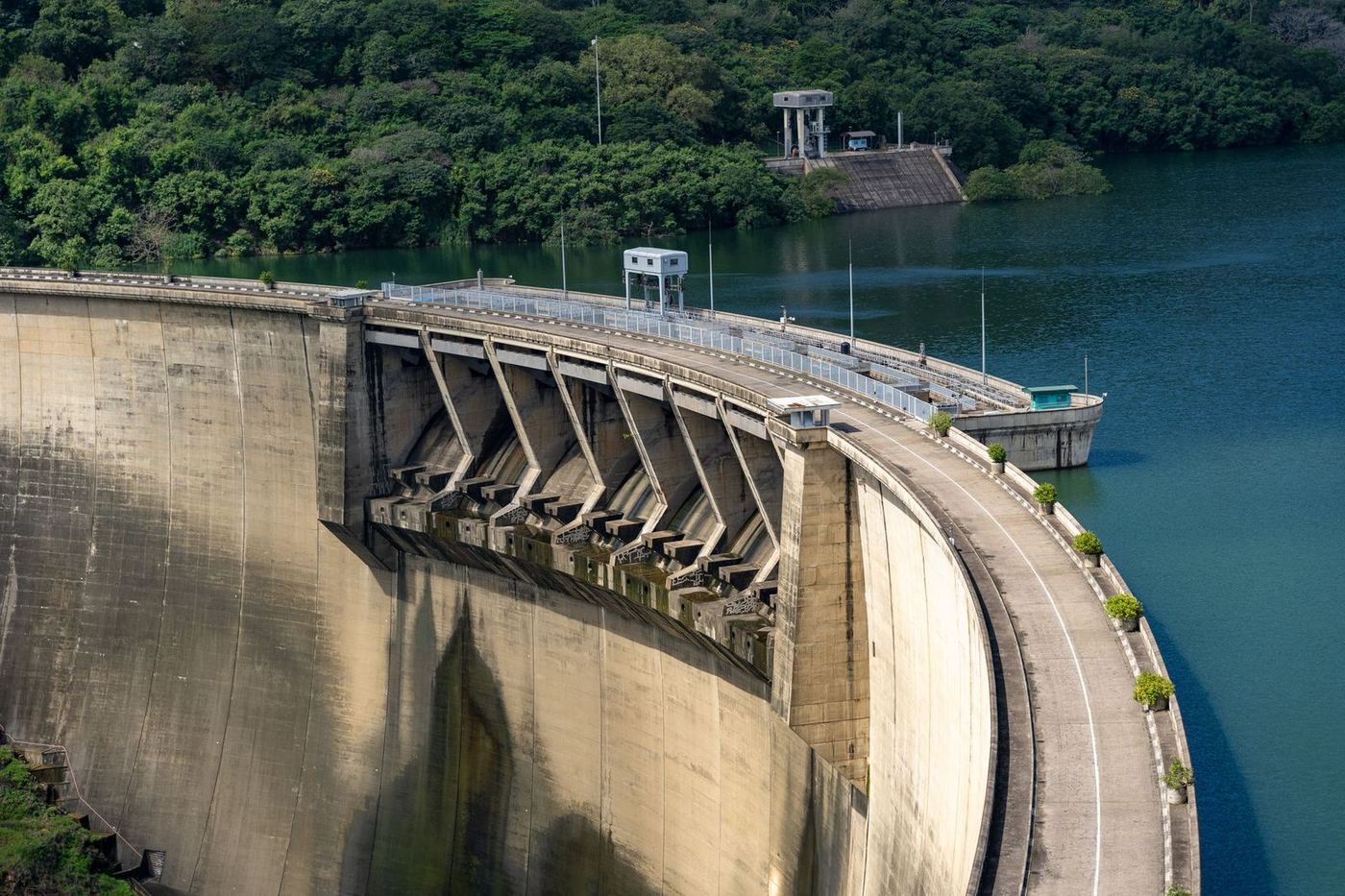
Colombo's Water Challenge
Colombo, Sri Lanka’s commercial hub, faces significant challenges with urban water quality, particularly for its low-income residents who largely depend on pipe-borne supplies. Freshwater sources have become increasingly contaminated over the past 20 to 25 years due to human activity and environmental factors. This degradation affects daily routines and poses health risks.
Despite the National Water Supply and Drainage Board (NWSDB) ensuring a regular supply of approximately 1 million cubic meters daily for the Colombo district, issues like post-cut muddy water persist, as noted by residents. Many households lack water storage or filtration systems, increasing their reliance on the state utility.
Expanding Community Water Supply
To counter these issues, Sri Lanka's Department of National Community Water Supply (DNCWS) is expanding its community water supply schemes. Initially established around the 1990s for rural areas, these schemes now address urban needs where NWSDB coverage is incomplete. The DNCWS registered numerous community-based organisations to manage these projects.
From 2019 to 2021, 367 new schemes were initiated. Ananda Vijitha Kumara Mapa, Director General at the DNCWS, stated that 170 of these are now complete, with the remaining projects scheduled for completion by 2027.
Quality Standards and Health Safeguards
The Sri Lanka Standards Institution (SLSI) sets the national drinking water quality benchmarks. The NWSDB implements purification processes, including chlorination for bacteria and filtration for sediment, alongside more complex systems for heavy minerals, to meet these standards.
Novil Wijesekara, a consultant community physician at the Ministry of Health, noted that access to NWSDB water in the Western Province increased from 43.1% of households in 2012 to 58.7% in 2024. However, a significant portion still uses alternative sources, which require consistent monitoring. His 2026 research proposed household water treatment and safe storage (HWTS) as a crucial safeguard.
The ongoing need to upgrade and expand water infrastructure in Sri Lanka presents a clear investment imperative. While the NWSDB manages daily supply for Colombo, the DNCWS’s community schemes highlight where public-private partnerships or targeted development funding could enhance access and quality.
The impact of climate variability, including droughts and floods, further complicates water safety planning, as explained by Wijesekara. This necessitates sustained capital expenditure on purification technologies and resilient distribution networks, potentially affecting utility tariffs and operational costs for businesses reliant on stable water supplies.
This article is journalism, not investment advice; consult a licensed professional before making financial decisions. Market data is indicative, may be delayed, and should be verified with your broker or exchange before use.
Comments.
Comments are moderated. We remove what is unlawful, abusive or off-topic, and and you remain responsible for what you post.
Reader comments open soon. Until then, corrections and responses go to our newsroom, and we publish what we get wrong on Corrections.