Bangladesh Bank credit bypasses climate-vulnerable regions
Lending remains concentrated in Dhaka and Chattogram, with only small portions reaching districts most exposed to climate risks, according to Bangladesh Bank data.
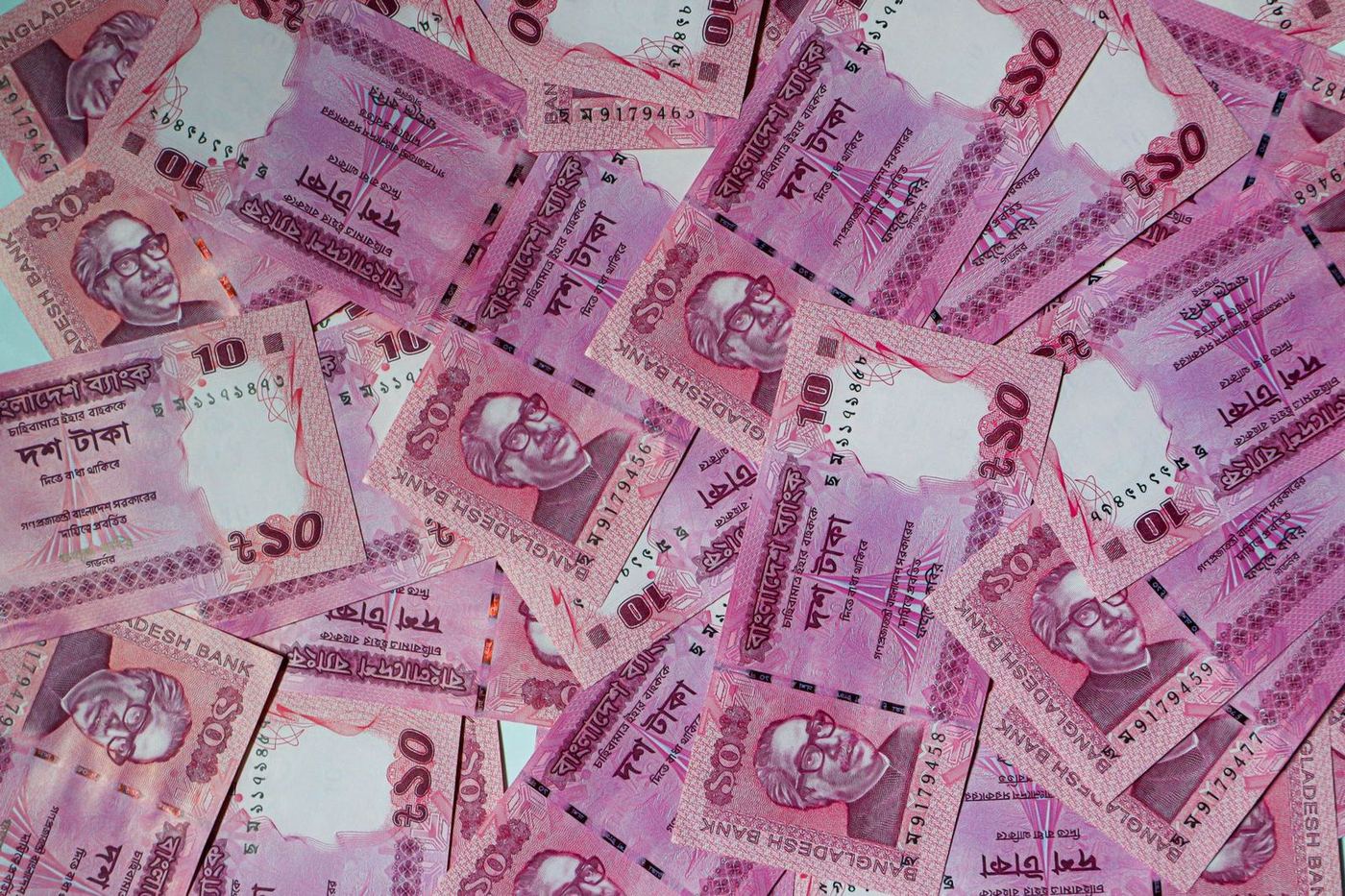
Credit remains concentrated in commercial hubs
Bank credit in Bangladesh is heavily concentrated in major commercial areas like Dhaka and Chattogram, leaving climate-vulnerable regions with limited access to formal financing. Bangladesh Bank data shows that lending volumes in coastal districts such as Satkhira and Patuakhali, alongside flood-prone Sunamganj, are significantly lower than their deposit levels.
This uneven distribution raises questions about the financial system's ability to support communities adapting to a changing climate. Masrur Reaz, Chairman of Policy Exchange Bangladesh, stated that a more geographically balanced financing system would strengthen both the economic and climate resilience of the country.
Dhaka and Chattogram dominate Q2 2026 lending
During the April–June quarter of 2026, Bangladesh Bank reported total bank loans and advances reached US$146.55 billion (18.09 trillion Bangladeshi Taka), an increase of 1.39 per cent or US$2.01 billion. Dhaka and Chattogram divisions collectively accounted for approximately three-quarters of this total.
Dhaka alone secured 67.84 per cent of all loans and advances, with 65.48 per cent directed to urban areas and only 2.36 per cent to rural areas. Other divisions, including Barishal, Khulna, Sylhet, and Mymensingh, received much smaller portions of the total lending.
Low loan volumes in high-risk districts
Specific climate-vulnerable districts show pronounced disparities. At the end of June, Patuakhali, a coastal district exposed to cyclones and salinity, recorded US$280.13 million in loans, representing just 0.19 per cent of total lending, while deposits were US$573.54 million.
Satkhira, another vulnerable coastal district, had US$355.71 million in loans (0.24 per cent of total) against US$745.03 million in deposits. Sunamganj in the northeast saw US$191.67 million in loans (0.13 per cent of total) compared to US$642.74 million in deposits.
These regions, identified by the Bangladesh Delta Plan 2100 in 2022 as highly vulnerable, depend on sectors greatly exposed to climate shocks.
Financing gap for climate adaptation
The World Bank has recognised Bangladesh as highly vulnerable to climate change due to its geography and population density. Climate shocks, from cyclones to flash floods, regularly destroy livelihoods in these areas.
The current concentration of formal lending in commercial centres means households and small businesses in vulnerable regions struggle to secure financing for adaptation and recovery.
For investors and financial institutions in Asia, this situation highlights an underserved market for climate finance solutions in Bangladesh, particularly for agricultural, fisheries, and small business sectors in the 58 districts identified as highly vulnerable to climate change.
This article is journalism, not investment advice; consult a licensed professional before making financial decisions. Market data is indicative, may be delayed, and should be verified with your broker or exchange before use.
Comments.
Comments are moderated. We remove what is unlawful, abusive or off-topic, and and you remain responsible for what you post.
Reader comments open soon. Until then, corrections and responses go to our newsroom, and we publish what we get wrong on Corrections.