EU Trade Deals May Link Tariffs to Deforestation Levels
The European Union's interim trade agreement with Mercosur, applied since May 2026, could set a precedent for future pacts, including those with Malaysia, Thailand, India, and Indonesia.
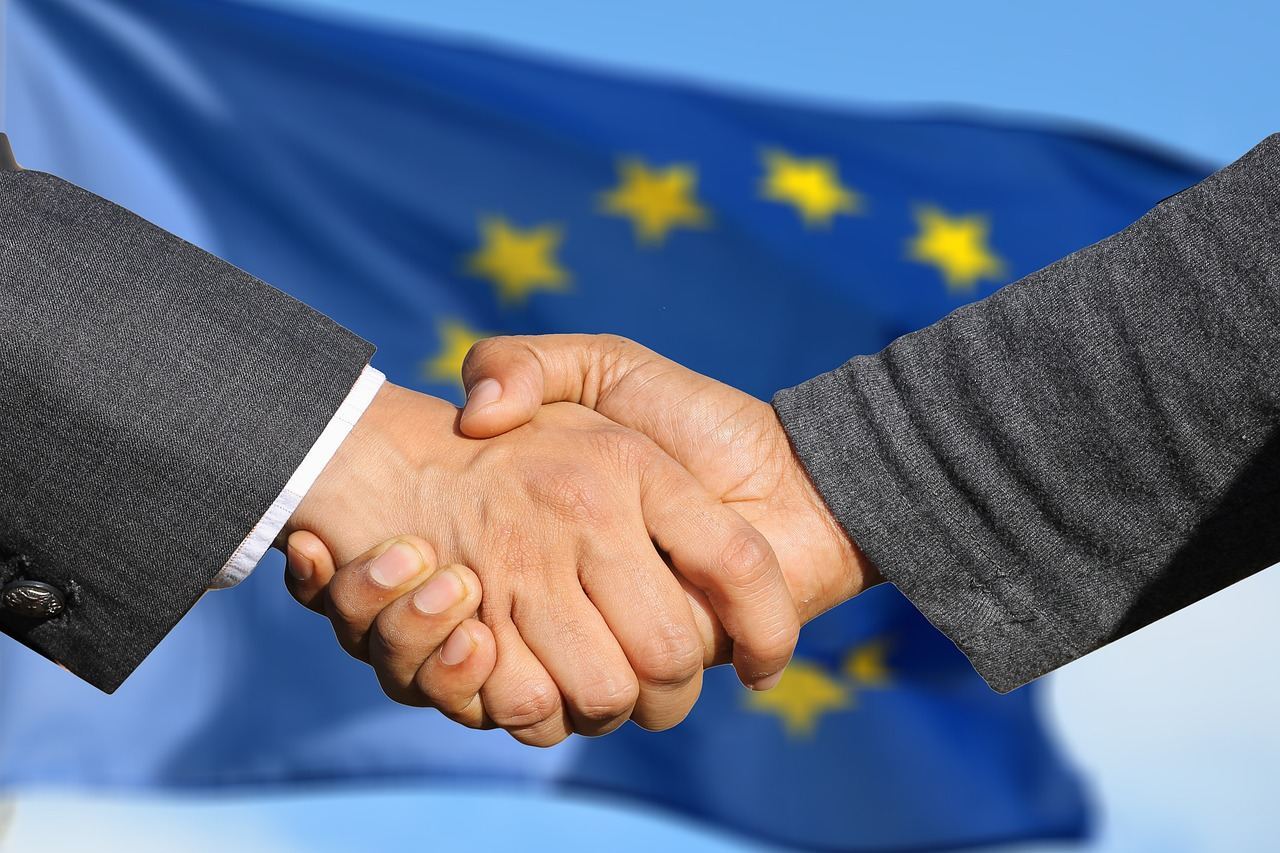
New Trade Model for Conservation
The European Union is exploring a new framework for trade agreements that ties market access to environmental conservation. This approach, termed Contingent Trade Agreements (CTAs), aims to incentivise partners to reduce deforestation.
The interim trade agreement between the EU and Mercosur (Argentina, Brazil, Paraguay, and Uruguay), provisionally applied since May 2026, may serve as a blueprint. This model seeks to overcome past challenges where traditional trade liberalisation often led to increased land development for agriculture, as observed in previous studies.
Tariffs as Conservation Levers
Under this proposed system, tariffs would fluctuate based on a trading partner's deforestation levels. Should land development for agriculture increase, exporters could face higher tariffs, potentially necessitating price reductions to maintain competitiveness.
Conversely, maintaining or increasing forest cover could be rewarded with lower or zero tariffs, enhancing market access. This mechanism aims to make tariff threats more credible than previous Trade and Sustainable Development (TSD) provisions, which often lacked effective enforcement.
Research Shows Economic Impact
New research by Bård Harstad quantifies the potential effects of CTAs. Simulations suggest that if the EU, the United States, and China all liberalise trade with Mercosur under conventional terms, the bloc's agricultural area could expand by 2–9 per cent, leading to increased deforestation.
However, if even one of these major economies implements a deforestation-linked CTA, this expansion could be avoided. The research further indicates that if two, such as the EU and the US, adopt CTAs, Mercosur might see reforestation, with its agricultural area potentially shrinking by 1–8 per cent from current levels.
Asia's Evolving Trade Landscape
This evolving trade strategy holds significant implications for Asian economies engaged in negotiations with the EU and Mercosur. The EU is currently in talks with Malaysia, Thailand, India, and Indonesia, while Mercosur is pursuing agreements with Japan and Canada.
These Asian nations, many with substantial agricultural or resource-based exports, could face new environmental conditions tied to market access. Policymakers and businesses in these countries will need to assess how deforestation-linked tariffs might affect export competitiveness, land use policies, and supply chain costs in future trade pacts.
This article is journalism, not investment advice; consult a licensed professional before making financial decisions. Market data is indicative, may be delayed, and should be verified with your broker or exchange before use.
Comments.
Comments are moderated. We remove what is unlawful, abusive or off-topic, and and you remain responsible for what you post.
Reader comments open soon. Until then, corrections and responses go to our newsroom, and we publish what we get wrong on Corrections.