South Korea: Ministry Confirms Recovery, Exports Up 68.7%
The finance ministry's monthly Green Book report confirmed a sustained positive outlook, noting persistent Middle East war uncertainties despite August's strong semiconductor shipments.
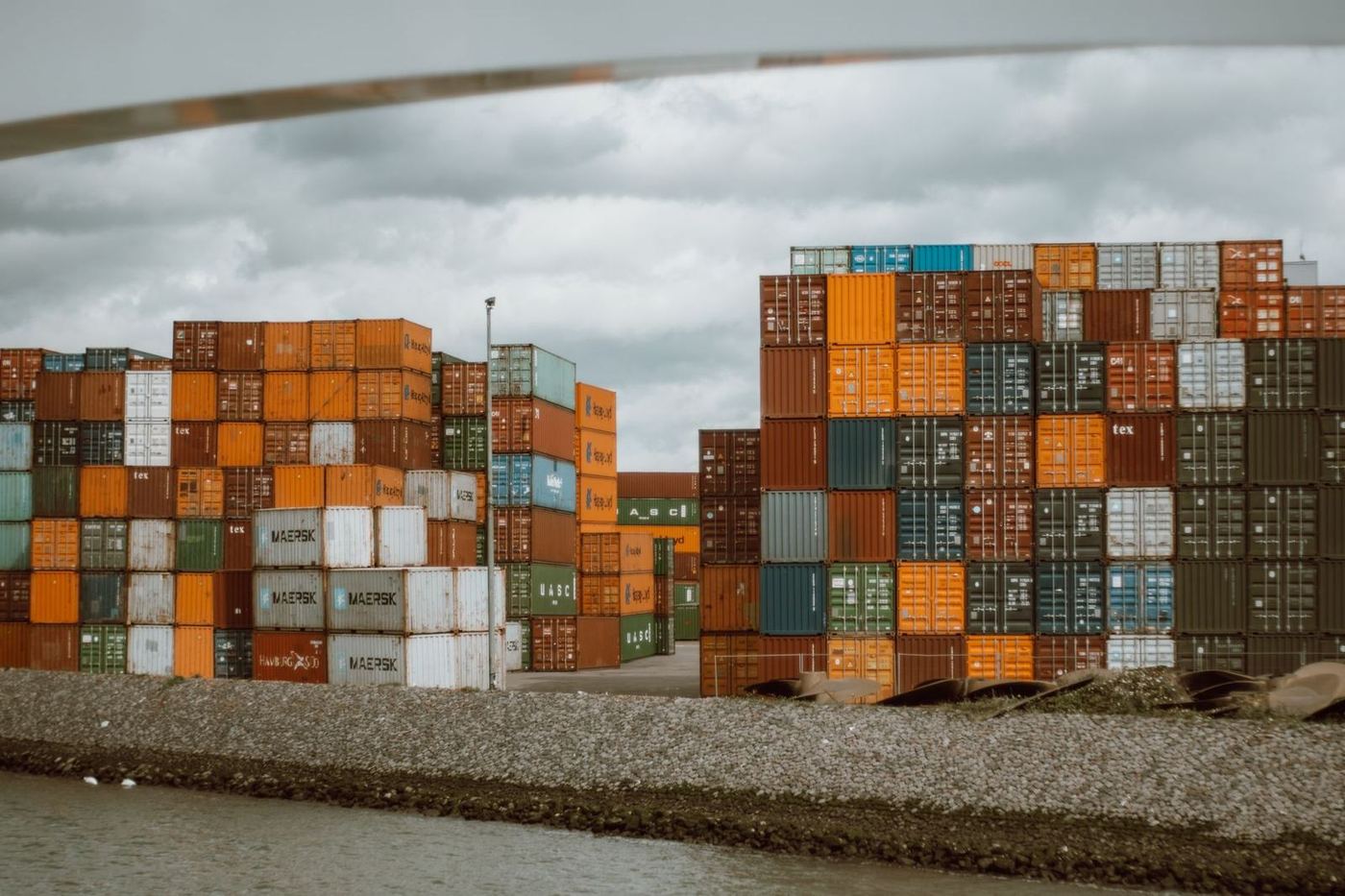
Economic Outlook Confirmed
South Korea’s Ministry of Finance and Economy stated on Friday that the national economy continues its firm recovery. This assessment, detailed in its monthly "Green Book" report, mirrors the positive outlook from August. The ministry attributes this sustained growth primarily to strong export performance and an uptick in domestic consumption.
Despite the positive trends, the report acknowledged ongoing uncertainties stemming from the conflict in the Middle East.
Export Surge and Job Growth
Exports from South Korea saw a significant 68.7% year-on-year increase in August, largely propelled by strong shipments of semiconductors. Concurrently, the labour market experienced growth, with 184,000 new jobs added in August compared to the previous year. This marks the largest monthly gain since March, when 206,000 positions were created.
The national unemployment rate held steady at 2% for the month. However, employment for individuals aged 15 to 29 declined by one percentage point year-on-year to 44.1%, extending a 28-month downward trend for this demographic.
Inflationary Pressures and Government Action
Consumer prices in South Korea rose by 3.1% year-on-year in August, accelerating from a 2.8% increase recorded in July. The finance ministry highlighted that inflation, driven by elevated oil prices, continues to exert pressure on household costs. These price increases are partly linked to the broader economic fallout from the Middle East conflict.
In response, the ministry pledged to implement measures aimed at stabilising prices for essential goods, particularly in the lead-up to the Chuseok holiday from 24–27 September.
Policy Response and Future Focus
The government plans to expedite its economic growth initiatives slated for the latter half of 2026. These programmes are designed to address post-conflict challenges, enhance the nation's growth potential, and tackle economic disparities.
For businesses operating in Asia, South Korea's reliance on exports, particularly semiconductors, means global demand shifts or supply chain disruptions could quickly alter this positive outlook. Companies should monitor the effectiveness of price stabilisation measures and the impact of H2 2026 growth initiatives on domestic demand.
This article is journalism, not investment advice; consult a licensed professional before making financial decisions. Market data is indicative, may be delayed, and should be verified with your broker or exchange before use.
Comments.
Comments are moderated. We remove what is unlawful, abusive or off-topic, and and you remain responsible for what you post.
Reader comments open soon. Until then, corrections and responses go to our newsroom, and we publish what we get wrong on Corrections.