Singapore Core Inflation Hits 2% in July on Energy, Food Costs
Singapore's core inflation reached 2% in July, driven by increased utility, food, and service expenses. This marks the fastest pace since October 2024, prompting scrutiny of household spending capacity.
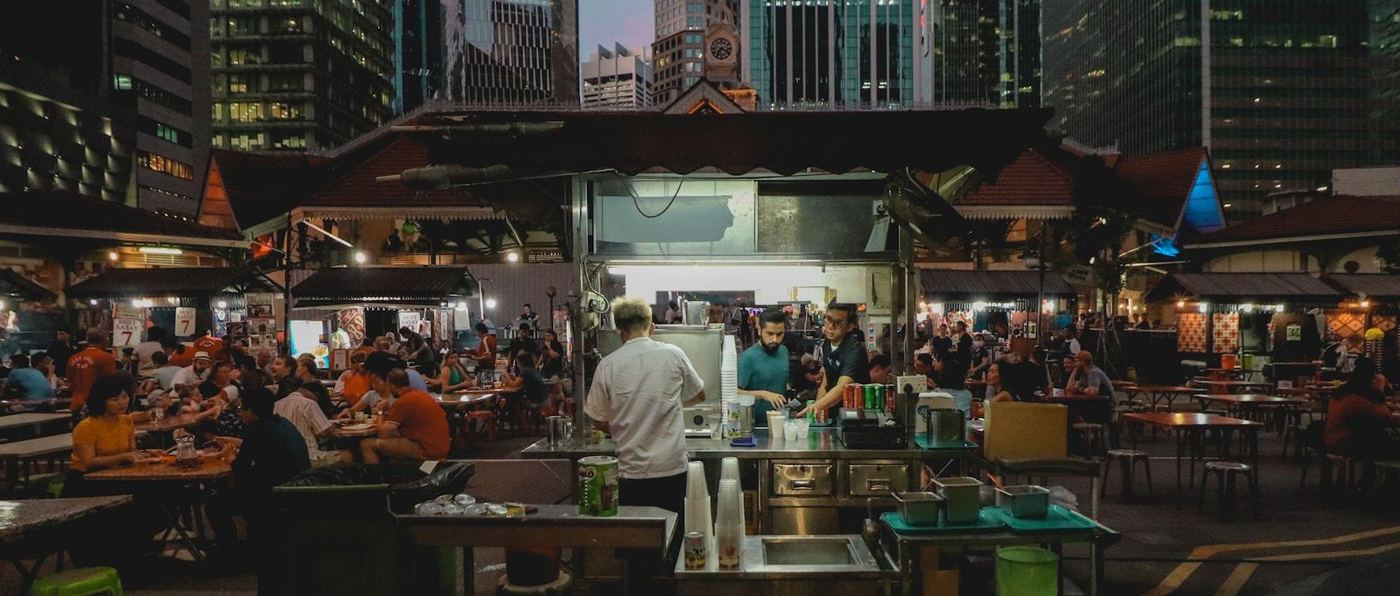
Inflation Accelerates on Utility and Food Costs
Singapore's core inflation climbed to 2% in July, an increase from June's 1.6%. The Department of Statistics reported this as the highest reading since October 2024. Core inflation excludes private transport and accommodation costs. Headline inflation also rose, reaching 2.2% in July from 1.9% in June. Higher housing costs and the core inflation pickup supported this increase. The July core inflation figure fell below the 2.2% median forecast in a Bloomberg survey.
Key Drivers Show Price Pressures
Rising utility prices were a primary driver. Electricity and gas costs surged 8.7% year-on-year in July, reversing a 2.9% decline from June. Food inflation edged up to 2.2% in July, from 2.1% in June, reflecting more expensive restaurant meals and raw ingredients. Services inflation increased to 1.7%, partly due to higher airfares and point-to-point transport services.
Conversely, private transport inflation eased to 8% from 8.4%, as fuel price increases moderated. Retail goods inflation also slowed to 1.4%.
Official Outlook Cites Global Energy and Weather Risks
The Monetary Authority of Singapore (MAS) and Ministry of Trade and Industry (MTI) issued a joint statement. They stated elevated global energy prices pushed up Singapore's electricity, gas tariffs, and transport fares. Global oil prices remain high and volatile, they warned. Unfavourable weather could reduce agricultural yields, potentially raising imported food costs.
Higher global supply chain input costs may also increase prices for a broader range of imported goods and services in upcoming quarters. MAS and MTI maintain their 2026 headline and core inflation forecasts, expecting an average between 1.5% to 2.5%.
Zavier Wong, a market analyst at eToro, noted July's electricity tariff hike was the steepest quarterly rise in years. This reflects April-to-mid-June gas prices, when Strait of Hormuz disruptions elevated energy costs. Wong questions household capacity to absorb these increases.
Edward Lee, Standard Chartered's Chief Economist for ASEAN and South Asia, expects MAS to leave policy unchanged at its October review. However, he acknowledges a "very modest further tightening" remains possible. Businesses should monitor global energy and food supply chain developments for continued cost pressures, especially given geopolitical risks.
This article is journalism, not investment advice; consult a licensed professional before making financial decisions. Market data is indicative, may be delayed, and should be verified with your broker or exchange before use.
Comments.
Comments are moderated. We remove what is unlawful, abusive or off-topic, and and you remain responsible for what you post.
Reader comments open soon. Until then, corrections and responses go to our newsroom, and we publish what we get wrong on Corrections.