Singapore Cannot Fully Trace Shipments for US Tariffs, PM Wong States
Singapore's Prime Minister Lawrence Wong stated the nation cannot realistically verify every product's supply chain. This addresses US demands regarding tariffs, forced labour, and rerouted goods. He highlighted a global trade environment increasingly shaped by security concerns.
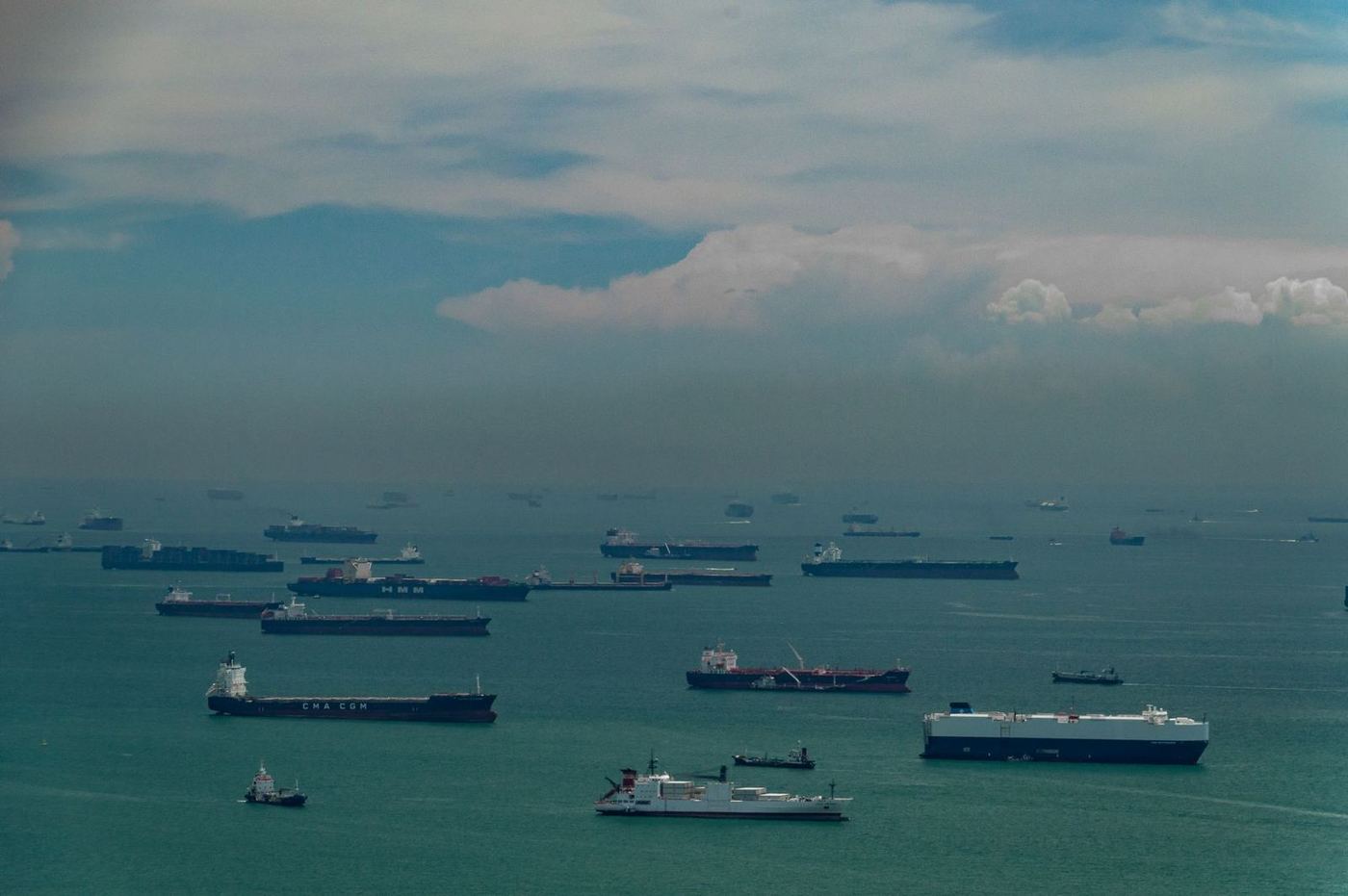
Limits to Supply Chain Verification
Prime Minister Lawrence Wong addressed US concerns regarding Section 301 tariffs, forced labour allegations, and goods rerouted to circumvent trade restrictions. Speaking on Sunday, PM Wong stated Singapore will not permit its ports for illegal trade. However, expecting Singapore to trace every product's supply chain passing through its shores is unrealistic.
Singapore agrees that forced labour and disguised origins have no place in trade. The Republic maintains clear rules and laws, enforcing them with companies operating locally. Singapore will continue engaging the US to explain its position.
Security Shapes Global Trade
PM Wong warned that global trade is no longer solely driven by economics. Security considerations increasingly shape trade dynamics, a trend expected to intensify. This shift reflects changes in the world order, with established rules now overturning. Power is dispersing; multiple centres compete for influence, markets, technology, and resources.
The US remains a leading power, but China has rapidly risen as a peer competitor. Europe, India, and various "middle powers" are also asserting their interests more actively.
Deepening Partnerships
Tariffs represent one symptom of deeper global tensions. Increased power competition elevates risks of miscalculation and escalation. Beyond open conflict, countries face economic coercion, foreign interference, and cyberattacks. PM Wong described this as a "new normal" for Singapore. The Republic's response involves deepening global partnerships, not retreating.
Singapore builds on trust, connecting with the world and creating value. It will strengthen ASEAN unity during its 2027 chairmanship, promoting regional integration. The nation also aims to bolster partnerships by fostering dialogue and common ground.
Singapore's stance clarifies its role as a global transshipment hub. Businesses relying on Singapore for logistics should note the limits of supply chain verification. Companies must ensure their own compliance with origin and labour regulations. The broader shift towards security-driven trade implies higher compliance costs.
Asian firms may face increased scrutiny regarding their manufacturing and export routes. This reinforces the need for diversified supply chains and robust internal verification processes. Singapore's focus on ASEAN integration may offer regional trade facilitation benefits.
This article is journalism, not investment advice; consult a licensed professional before making financial decisions. Market data is indicative, may be delayed, and should be verified with your broker or exchange before use.
Comments.
Comments are moderated. We remove what is unlawful, abusive or off-topic, and and you remain responsible for what you post.
Reader comments open soon. Until then, corrections and responses go to our newsroom, and we publish what we get wrong on Corrections.