Philippines Reopens Poultry Imports from Minnesota, Illinois
Manila has reopened its market to poultry and related products from Minnesota and Illinois. The Department of Agriculture cited the end of bird flu outbreaks in these US states.
Ban Lifted on US States
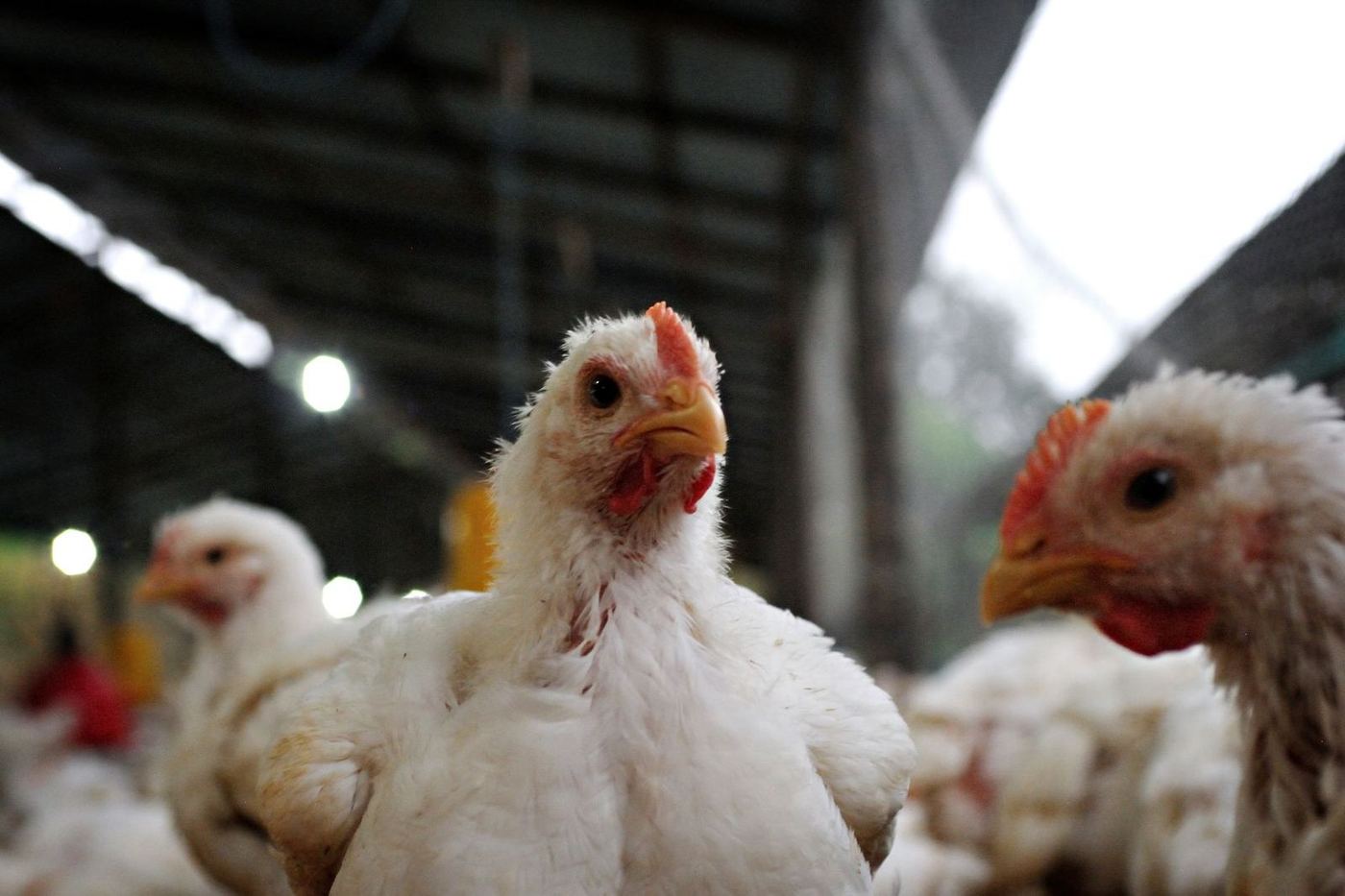
The Philippines' Department of Agriculture (DA) has lifted its temporary ban on poultry and poultry product imports from Minnesota and Illinois. This decision follows the termination of bird flu outbreaks in both US states. The ban covered domestic and wild birds, including poultry meat, day-old chicks, eggs, and semen. Department Circular (DC) 41 now governs these import transactions, requiring adherence to existing DA rules.
Outbreaks Contained
Previously, the DA imposed restrictions on shipments from Minnesota and Illinois under DC 15 and DA Memorandum Order 67. The agency confirmed that authorities in both US states successfully contained the bird flu outbreaks. No further outbreaks have been reported in these areas. This reversal demonstrates the Philippines' commitment to its regionalisation agreement with the United States.
Regionalisation Policy
This regionalisation policy avoids country-wide import bans during bird flu outbreaks. Instead, it restricts shipments only from areas with active animal disease cases. The DA stated that state-wide trade restrictions apply only if three or more counties are affected by highly pathogenic avian influenza (HPAI).
The Philippines maintains similar regionalisation agreements with other nations, including Spain, Germany, Poland, the UK, the Czech Republic, and Brazil.
Supply Chain Impact
The DA implemented these regionalisation guidelines to ensure a steady domestic meat supply and prevent price inflation. This move will help stabilise the Philippine market for poultry products. In the first half of 2026, the Philippines imported approximately 105,389 metric tons of meat from the US, according to the Bureau of Animal Industry.
Reopening these specific US sources supports food security and manages consumer costs for a key commodity in the Southeast Asian nation.
This article is journalism, not investment advice; consult a licensed professional before making financial decisions. Market data is indicative, may be delayed, and should be verified with your broker or exchange before use.
Comments.
Comments are moderated. We remove what is unlawful, abusive or off-topic, and and you remain responsible for what you post.
Reader comments open soon. Until then, corrections and responses go to our newsroom, and we publish what we get wrong on Corrections.