HD Hyundai, Kiewit to build US shipyard, create 3,000 jobs
The joint venture will begin construction in 2027, with operations slated for 2029, supported by a significant South Korean investment pledge.
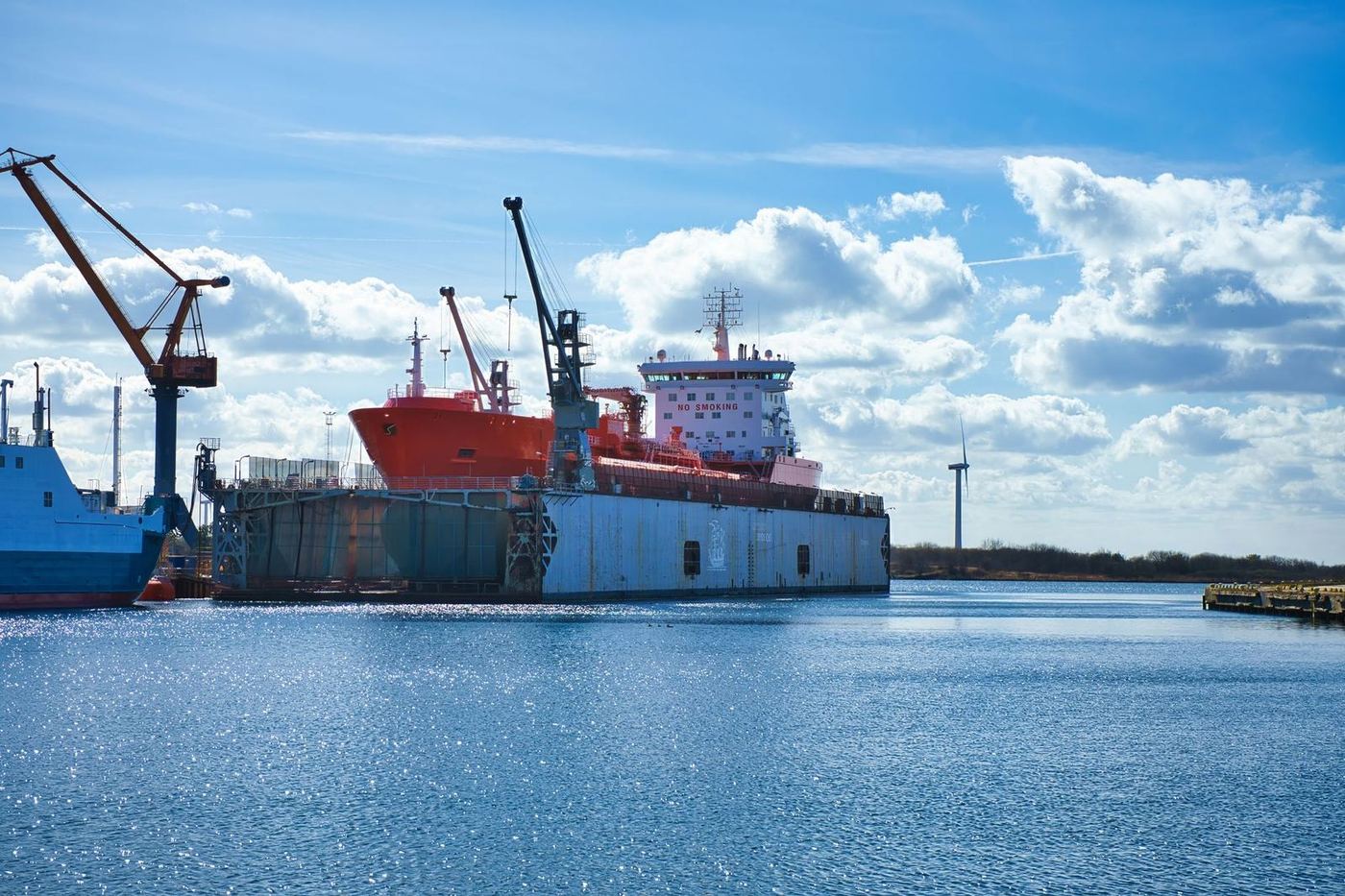
HD Hyundai and Kiewit's US Shipyard Plan
HD Hyundai Co announced a new agreement with Kiewit Corp to establish an advanced shipbuilding facility in the United States. Construction for this project is scheduled to commence in 2027, with the shipyard expected to become operational by 2029. HD Hyundai Co stated that the initiative aims to generate approximately 3,000 new jobs within the US.
The company also indicated that the new facility is projected to enhance US shipbuilding capacity and contribute to the revitalisation of the domestic industry. The partners intend to pursue opportunities across both commercial vessels and military support ships.
South Korean Investment and Joint Venture Details
This development follows a commitment from South Korea to invest $150 billion into the US shipbuilding sector. This specific sum forms part of a broader $350 billion investment package that South Korea agreed to deploy into various US projects. This substantial capital injection was made in exchange for securing US tariff reductions last year, in 2025.
HD Hyundai and Kiewit Corp will also form a joint venture to manage the shipyard. This joint entity will focus on constructing support vessels for the US Navy, exploring commercial shipping opportunities, and supplying ship blocks and modules to other US shipyards.
Revitalising US Shipbuilding Capacity
HD Hyundai Co expects the new shipyard to play a key role in the recovery of the US shipbuilding industry. The project is also intended to deepen cooperation between South Korea and the US in the shipbuilding domain. By expanding domestic capacity for both commercial and military vessels, the initiative addresses strategic needs for maritime manufacturing.
The establishment of this facility represents a significant step towards bolstering the US industrial base, as stated by Hyundai.
For Asian investors and industrial firms, this deal illustrates a growing trend of strategic foreign direct investment, particularly when linked to trade policy. South Korea's $150 billion pledge, part of a larger $350 billion commitment, shows how tariff adjustments can drive significant capital flows into key sectors abroad.
Companies in other Asian heavy industries may observe similar reciprocal agreements or cross-border investment opportunities. This also highlights how Asian industrial players are increasingly investing in critical infrastructure globally, often with an eye on trade and supply chain resilience.
This article is journalism, not investment advice; consult a licensed professional before making financial decisions. Market data is indicative, may be delayed, and should be verified with your broker or exchange before use.
Comments.
Comments are moderated. We remove what is unlawful, abusive or off-topic, and and you remain responsible for what you post.
Reader comments open soon. Until then, corrections and responses go to our newsroom, and we publish what we get wrong on Corrections.