Climate Change Threatens East Asia Coasts with Mine Waste Pollution
A new analysis identifies East Asia among six global hotspots where rising temperatures and altered weather patterns could worsen contamination from metal mining facilities, impacting 293,000 kilometres of coastline.
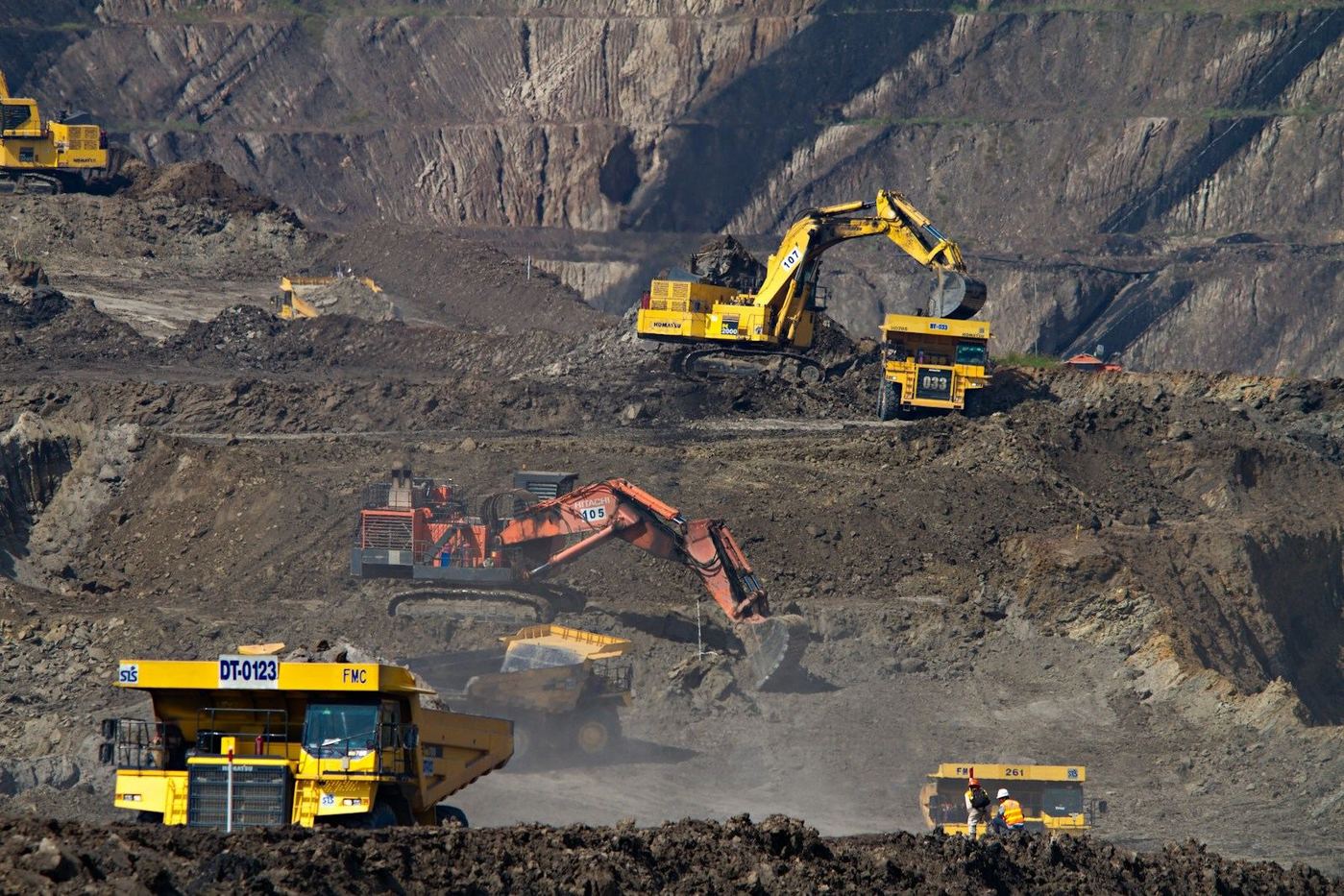
Global Coastlines at Risk
A recent analysis reveals that nearly 293,000 kilometres (182,000 miles) of global coastline face pollution risks from metal mining operations and their associated waste storage facilities.
The study, published in the journal Earth-Science Reviews, warns that rising temperatures and shifting weather patterns, driven by climate change, could intensify these contamination hazards for marine environments. This risk extends to coastal communities and ecosystems reliant on these waters, potentially affecting food sources and livelihoods globally.
East Asia Among High-Risk Regions
Researchers identified six global regions with the highest overlapping hazards from climate change and mining pollution: North America, South America, Northern Europe, the Mediterranean, East Asia, and Australia. Adam Sproson, a research scientist at the National Oceanography Centre in the UK and lead author of the study, noted the extensive coastlines covered by these hotspots.
The analysis examined how warmer temperatures, rising sea levels, and altered weather could release more toxic waste into the environment over the next century, highlighting the need for urgent remediation.
Rising Temperatures Exacerbate Waste Release
Using a worst-case climate modelling scenario (RCP8.5), the study projects significant increases in pollution risks. Between 2071 and 2099, temperate zones could see 99 per cent more active mines, 252 per cent more inactive mines, and 148 per cent more tailings storage facilities experiencing warmer summers.
These conditions would accelerate erosion and thawing, releasing toxic waste. Tristan McKenzie, a professor at University College London, highlighted that this is not just an environmental issue, but also a health and food quality concern for billions globally, demanding proactive monitoring.
For Asian economies, particularly those in East Asia with extensive coastlines and significant mining activity, these findings signal escalating environmental compliance costs and operational risks for metal mining companies.
The need for enhanced remediation and monitoring strategies, as highlighted by the study, will likely drive investment in waste management technologies and environmental safeguards.
Companies operating in these regions, or those with supply chains reliant on Asian metal production, may face increased scrutiny and potential disruptions from pollution incidents, affecting long-term business planning and capital allocation.
This article is journalism, not investment advice; consult a licensed professional before making financial decisions. Market data is indicative, may be delayed, and should be verified with your broker or exchange before use.
Comments.
Comments are moderated. We remove what is unlawful, abusive or off-topic, and and you remain responsible for what you post.
Reader comments open soon. Until then, corrections and responses go to our newsroom, and we publish what we get wrong on Corrections.