BYD to build European EV plants countering trade barriers
China's largest electric vehicle maker aims for greater market share in Europe, responding to tariffs and quotas on Chinese imports and reduced domestic fiscal support.
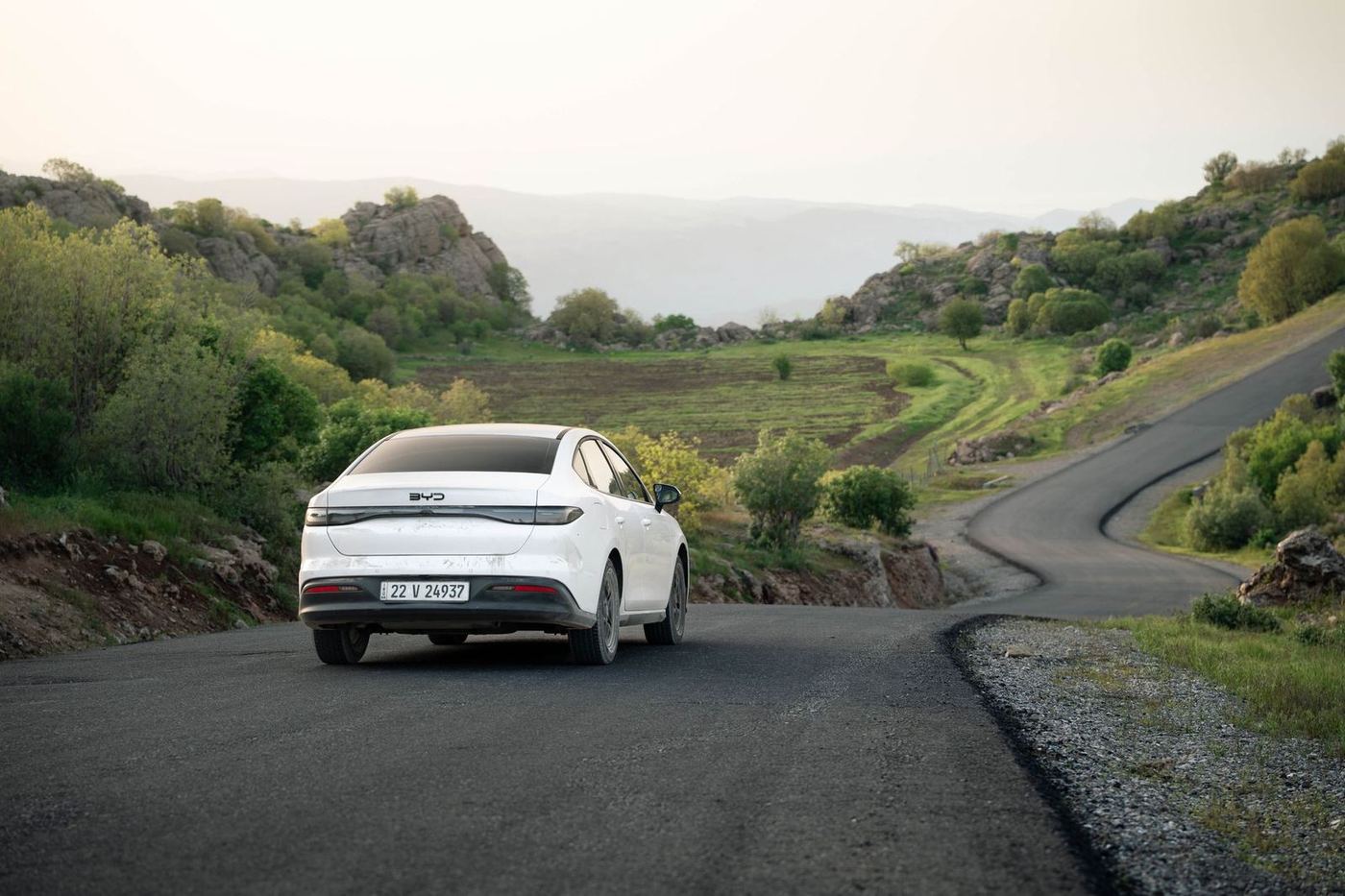
BYD targets European market share
BYD, the world's largest electric vehicle (EV) manufacturer, plans to establish new production facilities across Europe. This strategy aims to expand its market share within the region, according to Liu Xueliang, the company's Vice-President.
The move directly addresses increasing trade barriers overseas, including tariff hikes and import quotas imposed by the European Union on hybrid vehicles from China. BYD also faces a reduction in domestic fiscal support within China, prompting a focus on international expansion.
Local production commitment confirmed
Mr Liu affirmed Europe's significance as a regional market for BYD. He stated the Shenzhen-based carmaker would prevent tariff increases from impacting local consumers' choices. BYD is actively expanding its manufacturing presence in the region, with new plants expected to launch soon.
This aligns with an earlier announcement from BYD's overseas CEO, Stella Li, in October, confirming a Hungarian plant will begin mass production in the last quarter of the year.
Shifting global EV landscape
The decision to localise production underscores a broader shift in the global electric vehicle industry. As governments increasingly use policy instruments like tariffs to protect domestic industries, major manufacturers like BYD are adapting their supply chains.
The EU's specific measures against Chinese hybrid imports push companies to build within the bloc, mitigating the financial impact of cross-border trade restrictions and maintaining price competitiveness for consumers.
The So-What for Asian business
BYD's European investment signals a direct response by Asian manufacturers to evolving trade policies. This strategy could shift supply chains and investment flows for other Asian EV and component makers. Companies in South Korea and Japan, for instance, may also consider similar localisation efforts to bypass future trade restrictions in key markets.
Additionally, higher local content requirements in Europe could reduce export opportunities for Asian component suppliers currently serving Chinese EV production lines.
This article is journalism, not investment advice; consult a licensed professional before making financial decisions. Market data is indicative, may be delayed, and should be verified with your broker or exchange before use.
Comments.
Comments are moderated. We remove what is unlawful, abusive or off-topic, and and you remain responsible for what you post.
Reader comments open soon. Until then, corrections and responses go to our newsroom, and we publish what we get wrong on Corrections.