AIIB Warns 34% of Sovereign Borrowers Face 2050 Downgrades
The Asian Infrastructure Investment Bank projects climate inaction could cut credit ratings for over one-third of its government clients by 2050.
Climate Inaction Threatens Sovereign Credit
The Asian Infrastructure Investment Bank (AIIB) projects significant credit rating cuts for its sovereign borrowers. Almost 34% could see downgrades by 2050, absent stronger global climate policies. The Beijing-based multilateral lender published these findings in a recent report.
Under a scenario where current climate rules remain unchanged, global temperatures will rise by around 2.9 degrees Celsius above pre-industrial levels. This warming directly links to the projected downgrades for over a third of the bank's government clients.
Paris Agreement Reduces Risk
An alternative path, aligned with the Paris Agreement, shows a different outcome. Limiting global warming to 1.5 degrees Celsius, through swift policy and aggressive decarbonisation, reduces affected borrowers to just over 11%. The AIIB report notes these downgrades would not appear immediately.
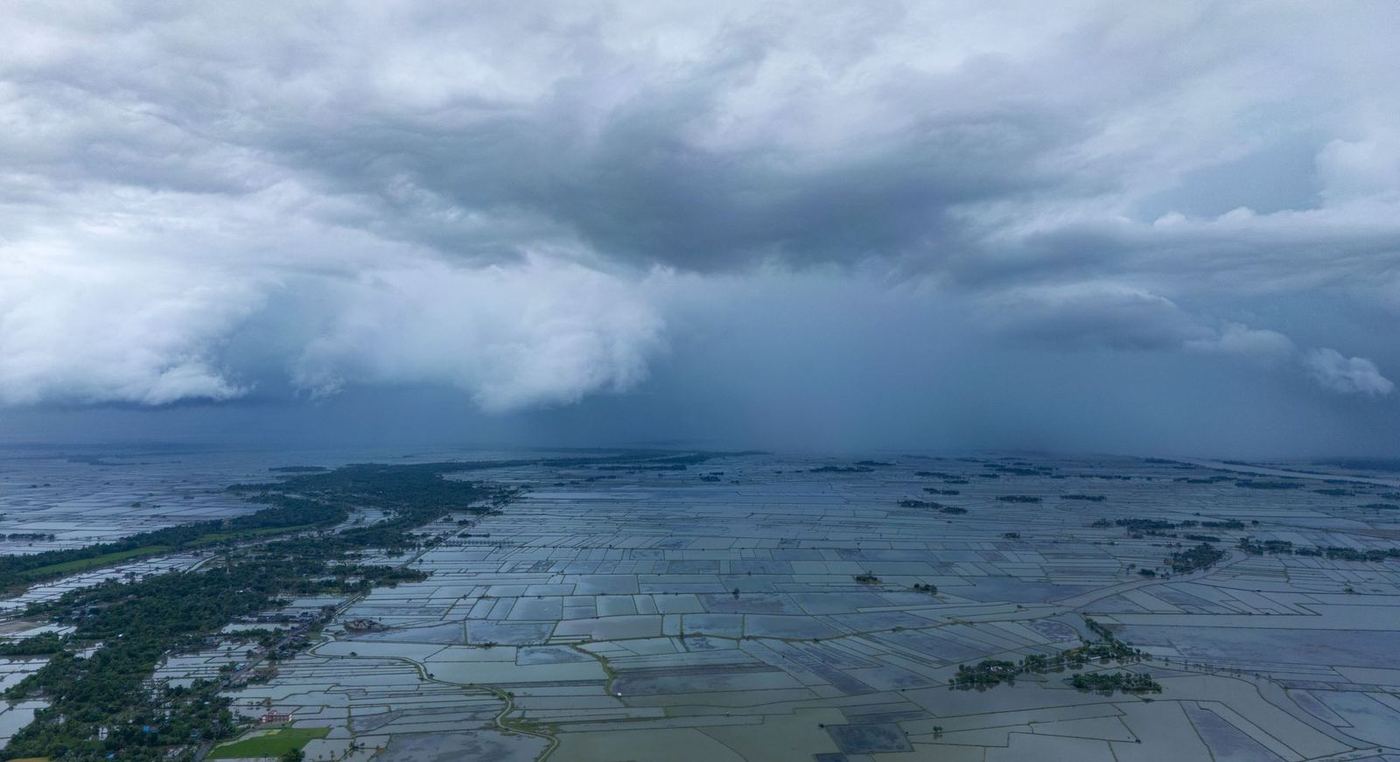
Physical climate impacts, like rising sea levels, extreme heatwaves, and severe flooding, will drive effects on sovereign ratings. These changes would begin manifesting between 2035 and 2040.
Vulnerability for Developing Economies
Developing economies relying heavily on nature-dependent sectors show particular vulnerability. These nations face escalating physical climate risks. The bank stated that rising carbon dioxide (CO2) emissions, without additional carbon pricing, cause more severe long-term economic impacts.
Zou Jiayi of the AIIB emphasised that today's infrastructure decisions will shape development for decades. These choices must support a more sustainable future.
For Asian economies, these projections mean increased borrowing costs for governments. Higher sovereign risk translates directly into pricier capital for public projects and potentially for private sector investments.
Businesses operating in vulnerable, nature-dependent sectors within developing Asian nations will face heightened operational risks and potential supply chain disruptions. Investors must factor in these long-term climate-related credit risks, which could alter sovereign bond yields and foreign direct investment flows across the region from 2035 onwards.
This article is journalism, not investment advice; consult a licensed professional before making financial decisions. Market data is indicative, may be delayed, and should be verified with your broker or exchange before use.
Comments.
Comments are moderated. We remove what is unlawful, abusive or off-topic, and and you remain responsible for what you post.
Reader comments open soon. Until then, corrections and responses go to our newsroom, and we publish what we get wrong on Corrections.