Vietnamese Dong Gains on Dollar in Unofficial Market
The US dollar declined 0.23% to VND26,080 at unofficial exchange points in Vietnam on Wednesday, 28 October 2026, as the State Bank of Vietnam also adjusted its reference rate.
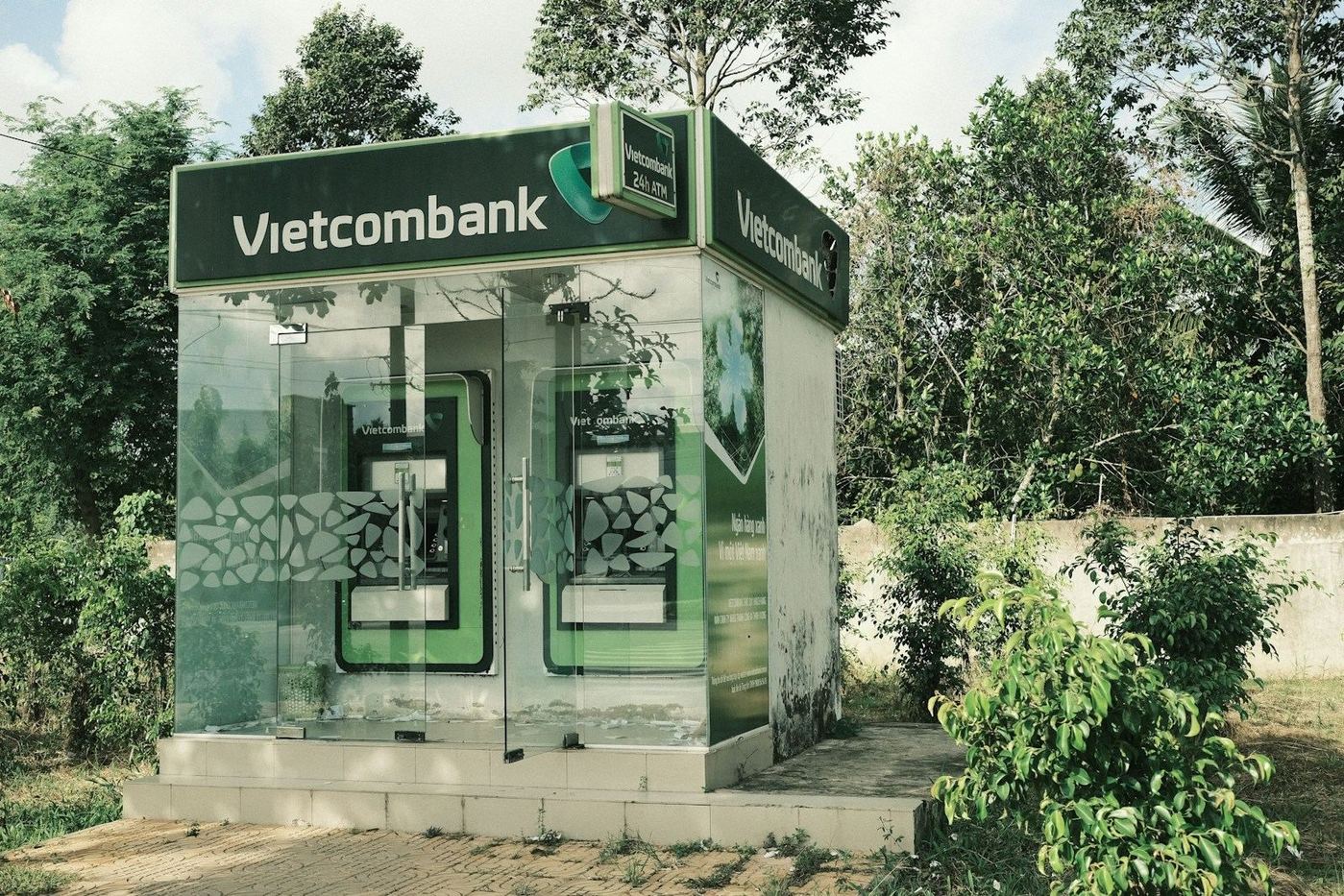
Dong Strengthens on Unofficial Market
The US dollar saw a notable decline against the Vietnamese dong in unofficial exchange channels on Wednesday, 28 October 2026. The greenback slipped by 0.23%, trading at VND26,080 at these points. This contrasts with the official interbank rate, where major lender Vietcombank maintained the dollar at VND26,020.
The movement indicates a slight strengthening of the dong outside regulated banking channels, which could affect cross-border transactions for businesses operating in Vietnam.
State Bank of Vietnam Adjusts Reference Rate
Concurrently, the State Bank of Vietnam (SBV) made a marginal adjustment to its official reference rate. The central bank lowered this rate by 0.01%, setting it at VND25,631. This reference rate provides a benchmark for commercial banks, influencing their daily exchange rate bands.
The SBV's move comes amidst broader global currency fluctuations, although its direct impact on the unofficial market is typically limited and aims to maintain stability within the formal banking system.
Global Dollar Strength Persists
Globally, the US dollar maintained its strong position, holding at a two-week high on Wednesday. This strength was observed ahead of anticipated policy decisions from key central banks. The US Federal Reserve was widely expected to keep its policy interest rate unchanged, while the Reserve Bank of New Zealand (RBNZ) unexpectedly held its rates at 2.75%.
Following the RBNZ decision, the New Zealand dollar (NZD) fell significantly, dropping 1.7% to $0.5585, highlighting the impact of monetary policy on currency valuations.
A strengthening dong, even in the unofficial market, could offer relief for Vietnamese businesses reliant on imported goods by reducing their input costs. Conversely, exporters might find their products marginally more expensive for international buyers. The SBV's cautious adjustment of its reference rate shows its intent to manage currency stability amid global dollar strength.
Companies engaged in cross-border transactions should monitor the divergence between official and unofficial rates for potential arbitrage opportunities or operational cost impacts, particularly given the Federal Reserve's upcoming policy signals.
This article is journalism, not investment advice; consult a licensed professional before making financial decisions. Market data is indicative, may be delayed, and should be verified with your broker or exchange before use.
Comments.
Comments are moderated. We remove what is unlawful, abusive or off-topic, and and you remain responsible for what you post.
Reader comments open soon. Until then, corrections and responses go to our newsroom, and we publish what we get wrong on Corrections.