Reserve Bank of India pulls ₹1.65 trillion from money markets
India's central bank acted on 29 October 2026, tightening system liquidity. The overnight market saw ₹7.37 trillion in volume, trading at an average rate of 5.51%.
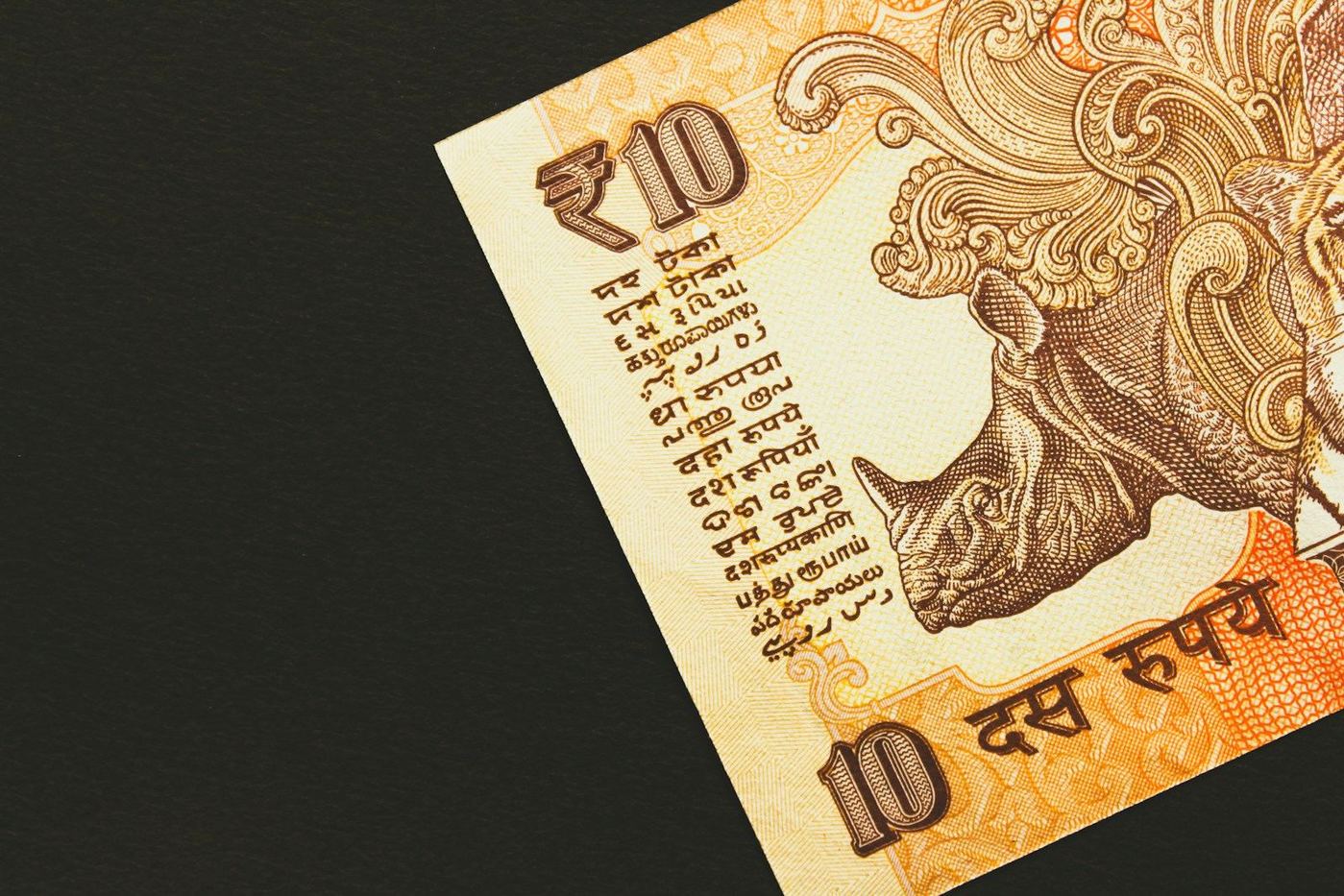
RBI absorbs significant liquidity
The Reserve Bank of India (RBI) withdrew ₹1.65 lakh crore (₹1.65 trillion) from the country's financial system on 29 October 2026. This significant operation, detailed in an official RBI press release, was designed to manage excess cash within the banking sector.
By absorbing this liquidity, India's central bank effectively reduced the overall availability of funds, a key tool in its efforts to influence short-term interest rates and maintain monetary stability.
Overnight market activity
Concurrently, India's overnight money market recorded a total transaction volume of ₹7.37 lakh crore (₹7.37 trillion) on the same day. Data compiled by the Reserve Bank of India and the Clearing Corporation of India Limited (CCIL) showed these uncollateralised dealings occurred at an average interest rate of 5.51%.
This rate provides a key indicator of short-term borrowing costs for banks and other financial institutions, reflecting the immediate demand and supply for funds.
Central bank's operational tools
Central banks like the RBI frequently employ such liquidity operations to influence the availability of funds within the banking system. Absorbing liquidity can prevent an oversupply of cash from driving short-term rates too low, which might otherwise fuel inflationary pressures or encourage speculative lending.
Conversely, injecting liquidity helps to ease funding pressures when money is scarce, thereby supporting broader economic activity and credit flow.
For investors and businesses in Asia, the RBI's consistent management of liquidity shows its commitment to price stability. The 5.51% overnight rate, observed after significant absorption, suggests the central bank is maintaining a firm stance on short-term borrowing costs.
This could influence commercial lending rates and the cost of capital for Indian companies, making debt financing potentially more expensive in the near term. Market participants will watch future RBI actions for further signals on its monetary policy direction.
This article is journalism, not investment advice; consult a licensed professional before making financial decisions. Market data is indicative, may be delayed, and should be verified with your broker or exchange before use.
Comments.
Comments are moderated. We remove what is unlawful, abusive or off-topic, and and you remain responsible for what you post.
Reader comments open soon. Until then, corrections and responses go to our newsroom, and we publish what we get wrong on Corrections.