Bank of Thailand holds rate at 1%, lifts 2026 growth on AI exports
The Bank of Thailand maintained its benchmark rate at a four-year low of 1% for the fourth consecutive meeting, citing manageable inflation and a 24% surge in September exports.
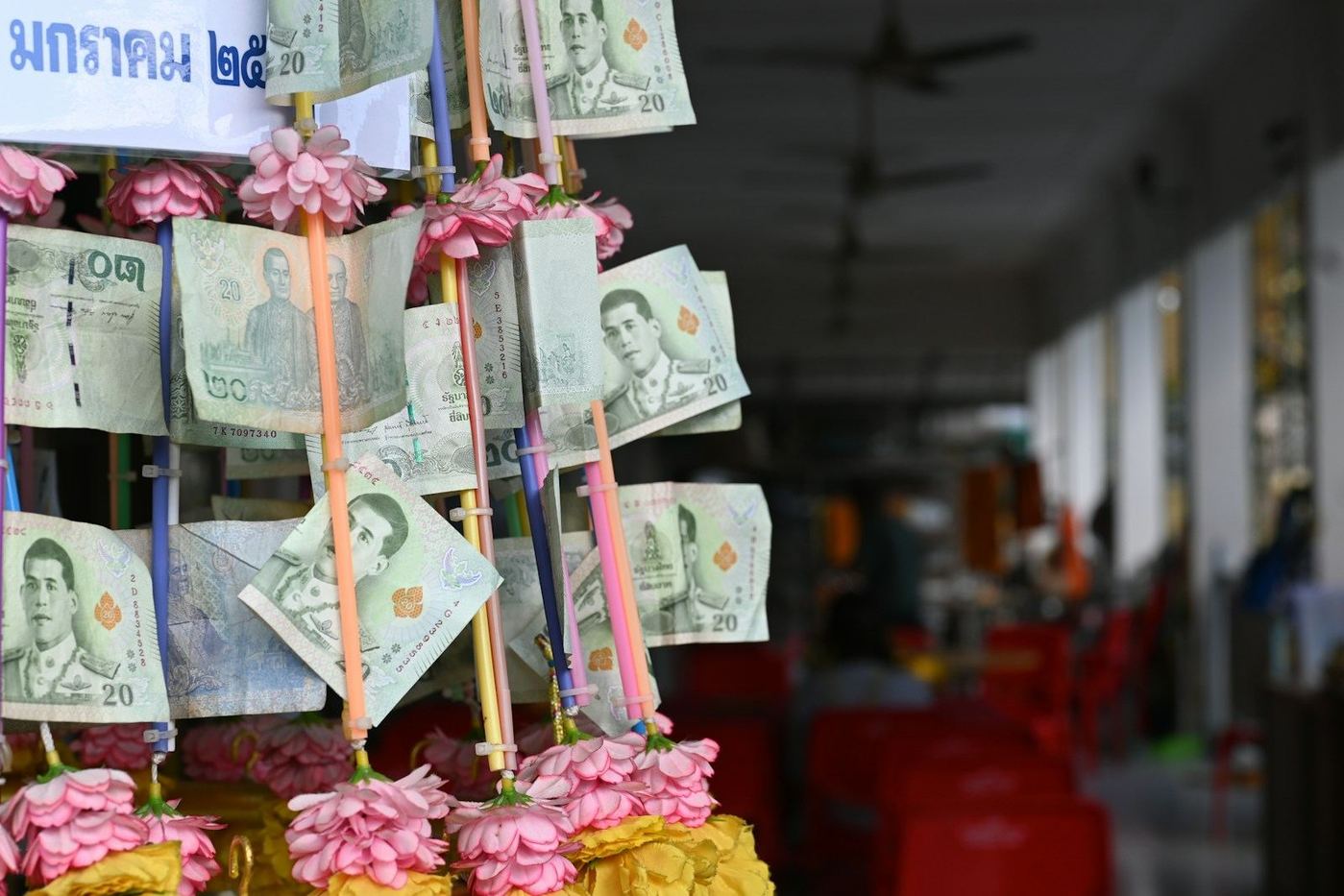
Central Bank Maintains Policy Rate
The Bank of Thailand's (BOT) Monetary Policy Committee (MPC) unanimously voted on Wednesday, October 28, to keep its benchmark one-day repurchase rate at 1 per cent. This marks the fourth consecutive meeting the rate has remained unchanged, extending the longest such period in two years. The 1 per cent rate has been Thailand's lowest since September 2022.
The central bank stated that manageable inflation allowed for an accommodative policy stance, even as the government addresses economic pressures from elevated energy costs. All 23 economists surveyed by Bloomberg had anticipated this decision.
Upgraded Growth Outlook on Export Strength
The BOT revised its economic growth projections upwards for the second time this year, attributing the improvement to a global surge in artificial intelligence (AI) demand. The central bank now forecasts 2.4 per cent growth for 2026, up from 2.3 per cent, and 2.1 per cent for 2027, an increase from 1.8 per cent.
Exports rose 24 per cent year-on-year in September, driven by electronics linked to the AI boom. Imports also climbed significantly by 50.4 per cent, primarily due to fuel and capital goods.
Despite this, the BOT noted constraints in other sectors, including a projected decline in foreign tourist arrivals due to higher oil prices and weak private consumption affected by high household debt.
Market Reaction and Regional Divergence
Following the rate decision, the Thai baht pared its losses, narrowing to 0.1 per cent against the US dollar. The benchmark stock index, however, saw a 0.3 per cent decline. The BOT observed that the baht has faced downward pressure throughout 2026 from the prospect of tighter US monetary policy and rising oil prices.
Thai government bond yields have also edged higher amid a global sell-off in fixed-income markets. Thailand's policy stance contrasts with the Philippines, which implemented a surprise 50 basis-point rate hike on October 22, while Indonesia and Singapore recently kept their policy settings stable.
Most economists surveyed before the BOT's decision expect the benchmark rate to hold at 1 per cent through the end of 2027. However, institutions including JPMorgan Chase, OCBC, and Bank of America have indicated an increasing probability of policy tightening next year.
Investors will be watching for shifts in global AI demand, which has buoyed Thai exports, and any changes in domestic inflation trends. A sustained rise in core inflation beyond the BOT's 2027 forecast of 1.3 per cent could prompt these banks to revise their expectations for a rate hike.
This article is journalism, not investment advice; consult a licensed professional before making financial decisions. Market data is indicative, may be delayed, and should be verified with your broker or exchange before use.
Comments.
Comments are moderated. We remove what is unlawful, abusive or off-topic, and and you remain responsible for what you post.
Reader comments open soon. Until then, corrections and responses go to our newsroom, and we publish what we get wrong on Corrections.