Thai Government Approves B6.7bn Fuel Subsidy, Orders Refining Margin Cuts
Thailand's Finance Ministry greenlit an initial 6.7 billion baht from the Energy Conservation Fund, while new measures will reduce gross refining margins to ease consumer burden.
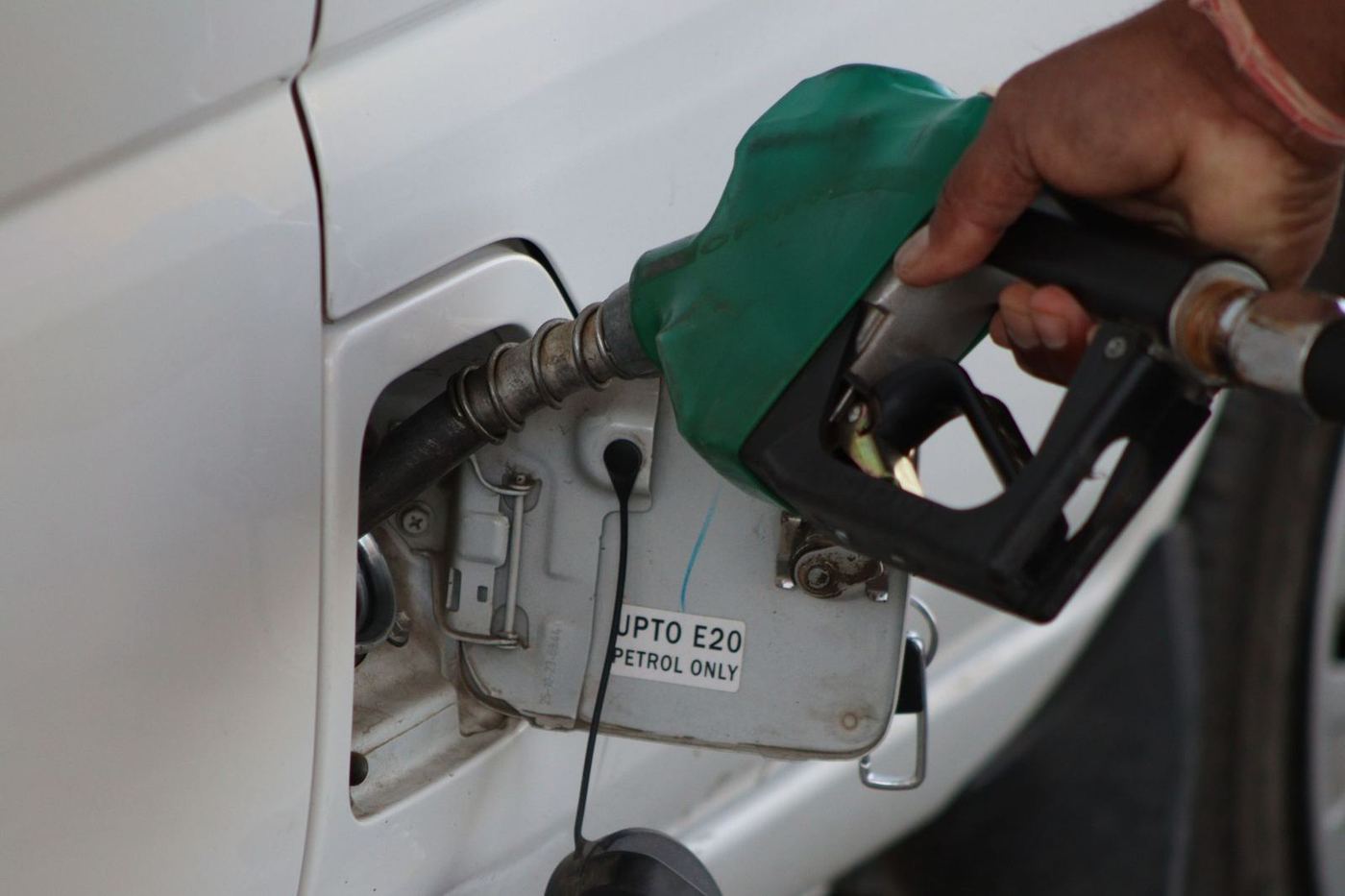
Initial Fuel Price Support
The Thai government has approved the use of 6.7 billion baht from its Energy Conservation Fund (Enconfund) to help contain rising domestic fuel prices. The Finance Ministry endorsed this measure on October 22, 2026, as part of broader efforts to cushion consumers from the impact of surging global oil costs.
However, officials acknowledged that this initial allocation is insufficient to fully offset ongoing oil price volatility.
Broader Pricing Reforms
Energy Minister Akanat Promphan introduced additional steps on October 28, 2026, aimed at lowering Thailand's gross refining margin (GRM), which is the difference between crude and refined oil prices. The Energy Policy Administration Committee has since directed the nation's six oil refineries to recalculate their ex-refinery prices.
This new approach will discontinue the previous reliance on Singapore's refined oil benchmarks for domestic fuel pricing.
Fiscal Challenges and Fund Debt
The 6.7 billion baht represents the first tranche of a planned 14 billion baht withdrawal from Enconfund, which is financed by a 0.05 baht per litre levy on fuel sales. Finance Minister Ekniti Nitithanprapas indicated this initial sum will be spent this year, with further withdrawals for 2027 under consideration.
Meanwhile, the state-run Oil Fuel Fund faces accumulated debt of approximately 105 billion baht, incurred from past efforts to stabilise domestic energy prices. The government faces limited borrowing options due to a public debt ceiling of 70% of gross domestic product (GDP).
The shift in pricing methodology, moving away from Singapore benchmarks and reducing GRMs, directly impacts Thailand's oil refining sector. Refineries must adjust their cost structures and pricing models, potentially affecting profitability if not managed carefully. For consumers, the government's intervention aims to lower fuel costs, providing relief from global price surges.
Businesses relying on fuel for logistics and operations in Thailand should monitor the effectiveness of these measures and any future policy adjustments, especially given the substantial debt of the Oil Fuel Fund.
This article is journalism, not investment advice; consult a licensed professional before making financial decisions. Market data is indicative, may be delayed, and should be verified with your broker or exchange before use.
Comments.
Comments are moderated. We remove what is unlawful, abusive or off-topic, and and you remain responsible for what you post.
Reader comments open soon. Until then, corrections and responses go to our newsroom, and we publish what we get wrong on Corrections.