SpaceX Q2 2026 Revenue Jumps; AI, Starlink Drive Growth as Capex Surges
SpaceX reported nearly doubled revenue for the April-June quarter this year, reaching US$7.8 billion. Starlink satellite communications and its artificial intelligence (AI) division drove this growth. However, capital expenditure ballooned to over US$18 billion, leading to a post-market share decline.
Strong Revenue Growth Driven by Key Divisions
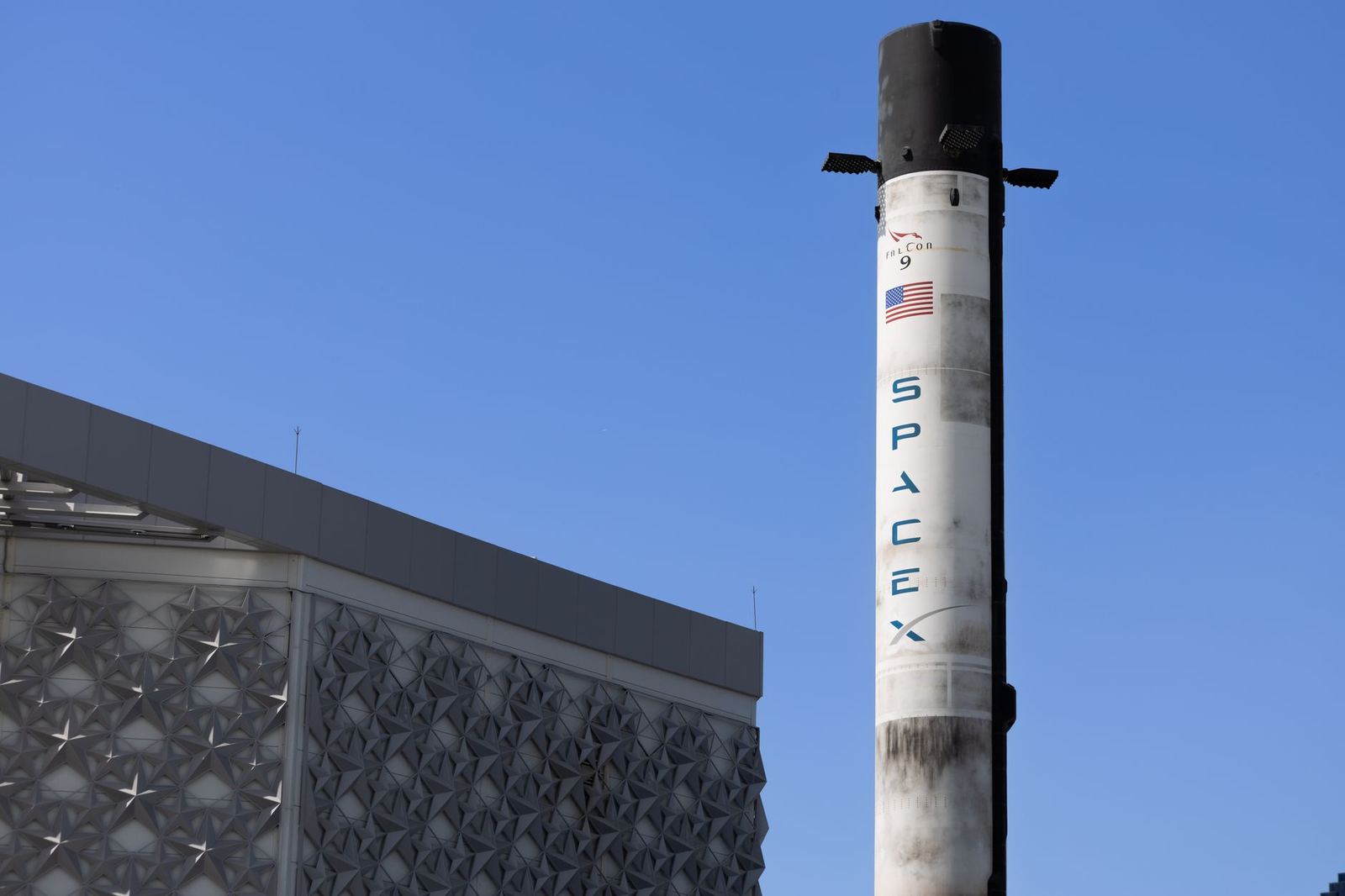
SpaceX's revenue for the April-June quarter of this year reached US$7.8 billion, nearly doubling from US$4.1 billion a year earlier, according to LSEG data. Starlink, the company's satellite internet unit, generated over half of total revenue, rising 66 per cent. Revenue from SpaceX's AI business surged approximately 250 per cent. This AI unit includes xAI, Grok, the X social media platform, and a rapidly expanding data centre operation. Total operating losses narrowed significantly to US$143 million, down from US$970 million a year earlier.
Massive Capital Outlays for AI and Connectivity
The company's capital expenditure (capex) soared to more than US$18 billion for the quarter, up from US$2.83 billion a year earlier. SpaceX poured US$15.83 billion into AI capital spending alone, compared to US$749 million in the prior year. Finance boss Bret Johnsen expects similar capital spending for the next two quarters. CEO Elon Musk stated SpaceX aims for a US$100 billion revenue run-rate by December. He also forecast a less than one-year payback on new AI compute deployments. SpaceX plans to launch at least 1,000 next-generation V3 Starlink satellites within a year.
Market Reaction and Future Outlook
Despite strong revenue growth, SpaceX shares fell 7.5 per cent in after-hours trading. This followed a 9.4 per cent rise during the day before results publication. The stock has declined 8 per cent since its record-breaking initial public offering (IPO) in June. An analyst from Investing.com, Thomas Monteiro, noted the company delivered positives regarding its operational machine. However, the upcoming expiry of SpaceX's post-IPO lock-up period, starting this Thursday, may release more shares onto the market. SpaceX expects to build two gigawatts of computing capacity this year and nearly 10 gigawatts by end-2027, exclusively using Nvidia hardware.
Implications for Investors
SpaceX's results highlight a critical investment thesis: Starlink's profits must fund aggressive AI and rocket development. The substantial capital expenditure reveals the scale of this ambition. Investors will closely watch if Starlink's expanding subscriber base, which doubled to 12 million despite a 22 per cent drop in average revenue per subscriber, can sustain these investments. The market's reaction suggests some investor caution regarding the high spending. The impending lock-up expiry presents a near-term supply dynamic for the stock.
Get The Brief.
Asia’s economy in five minutes, every weekday morning. Free.
By subscribing you consent to receive this newsletter from Asianomist (Asia Press Centre Pte. Ltd.); unsubscribe at any time.