India Stock Market Changes Closing Price Mechanism This Week
India's stock market introduced a new closing auction mechanism for futures and options (F&O) stocks this week. This change aims to improve price transparency and reduce distortions for key market participants.
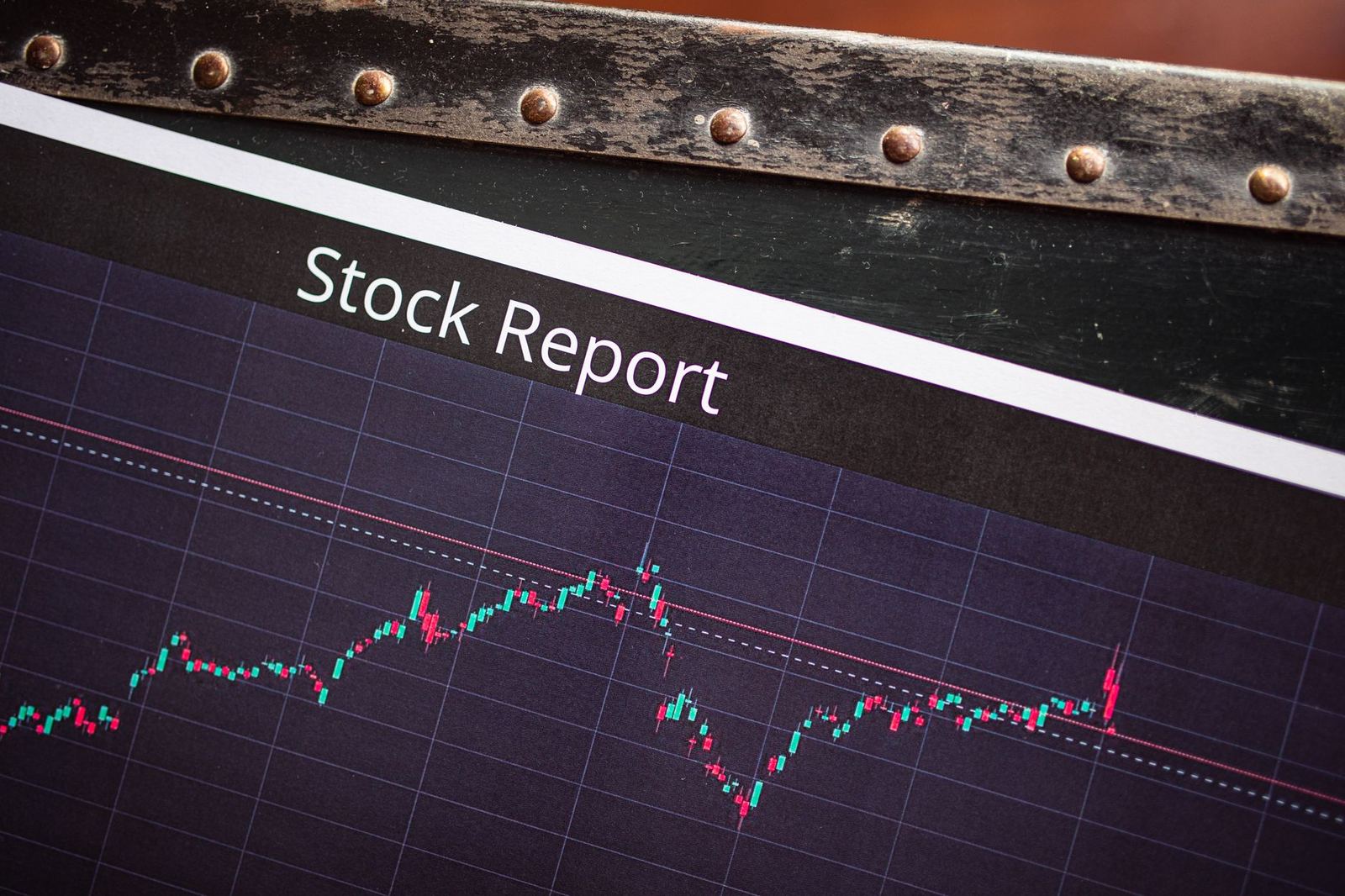
New Closing Auction for F&O Stocks
India's stock market changed its closing price calculation for futures and options (F&O) stocks this week, effective 3 August 2026. Previously, closing prices for these instruments used a volume-weighted average price (VWAP) from the final 30 minutes of trading. Now, F&O stocks transition to a Closing Auction Session (CAS) at 3:15 PM. This auction, which concludes at 3:30 PM, determines the final price by matching orders between 3:30 PM and 3:35 PM. Manish Srivastava, Executive Director at Anand Rathi Wealth, noted this auction-based system, common globally, ensures closing prices reflect actual supply and demand. Vaibhav Porwal, Co-founder of Dezerv, confirmed the system applies initially to Category I stocks with active F&O contracts.
Impact on Index Funds and ETFs
Index funds calculate their Net Asset Value (NAV) using these closing prices. Aditya Agarwal, Co-Founder of Wealthy.in, stated that funds tracking indices like the Nifty 50 and Sensex are fully affected, as all constituent stocks now use auction pricing. Midcap, smallcap, and Nifty 500 funds use a mix of both methods. Srivastava added that this new auction method, replacing the 30-minute average, makes prices more reflective of market forces. Exchange-Traded Funds (ETFs) may also see benefits. Agarwal suggested that receiving the precise auction-based closing price helps ETFs track their benchmarks more closely. Porwal explained that a more representative closing price could help index funds and ETFs mirror their benchmarks accurately over time. However, Agarwal cautioned that the true impact depends on auction participation, as thin auctions could still face influence from large orders.
Arbitrage Funds and Investor Outlook
Arbitrage funds profit from price differences between cash and futures markets. Srivastava opined that the new auction-based closing price might reduce short-term pricing anomalies. While some temporary opportunities could decrease, strategy efficiency may improve as spreads become more predictable. Agarwal stated that the core return driver for these funds, the cash-futures spread, depends more on market activity and interest rates than a single day’s closing price, limiting the long-term impact. Srivastava highlighted the benefit for mutual fund investors through enhanced transparency and reduced manipulation risk. He advised investors not to confuse short-term NAV changes with fund performance, as these stem from the new calculation process. Agarwal confirmed no changes to SIP dates, cut-off timings, or redemption processes. Investors should monitor tracking error data for index funds and ETFs over the next few quarters, according to Agarwal.
Get The Brief.
Asia’s economy in five minutes, every weekday morning. Free.
By subscribing you consent to receive this newsletter from Asianomist (Asia Press Centre Pte. Ltd.); unsubscribe at any time.