Southeast Asia boosts energy efficiency with AI, eyes US$67bn savings
Singaporean firms Quantified Energy and Gurin Energy lead regional deployment of artificial intelligence to optimise renewable energy projects and grid operations, targeting significant cost reductions by 2035.
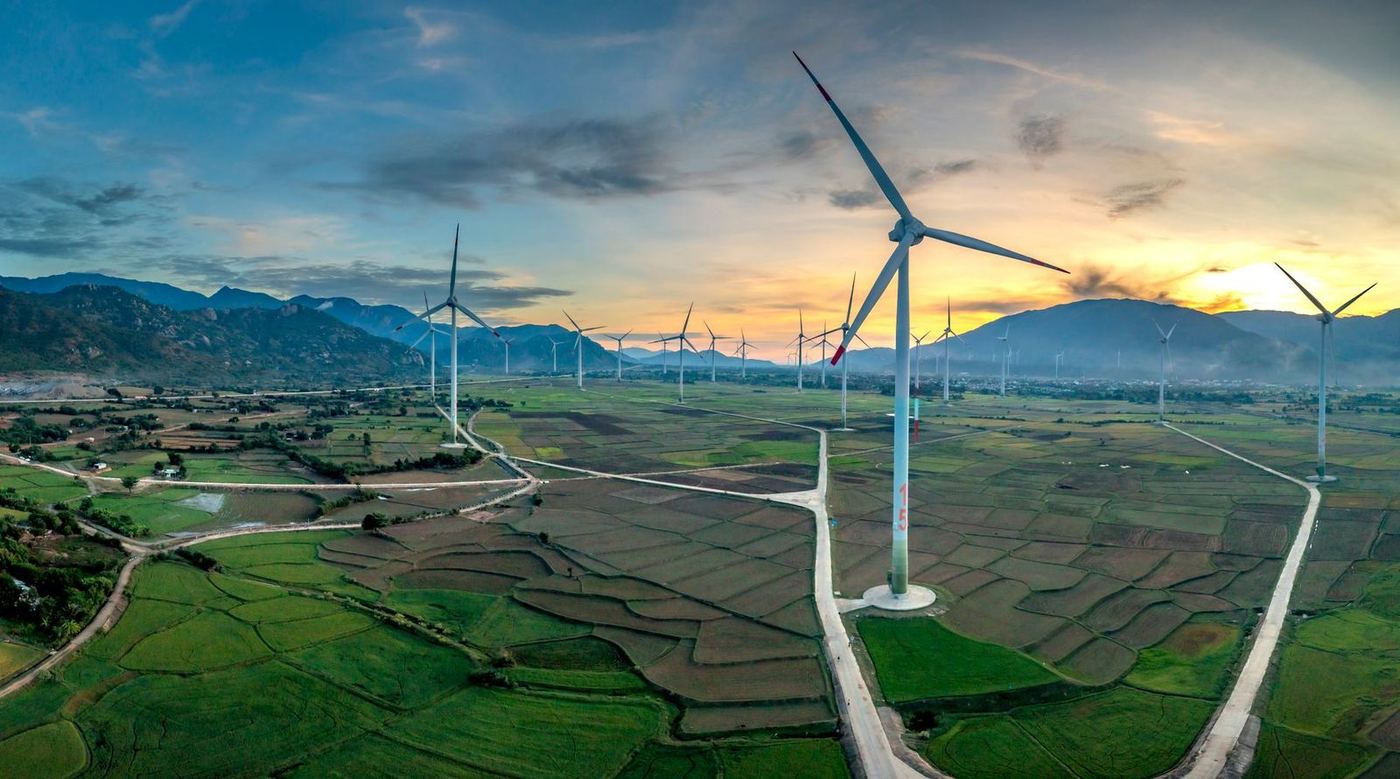
Southeast Asia Embraces AI for Green Energy
Southeast Asia is increasingly adopting artificial intelligence (AI) to enhance its renewable energy infrastructure and improve grid performance. This strategic shift aims to integrate more clean energy sources into power systems under growing pressure from rising demand and extreme weather events.
The region, heavily reliant on fossil fuels, seeks to leverage AI for greater operational efficiency across its energy sector. However, experts caution that foundational grid strengthening remains crucial for AI to deliver its full potential.
AI Optimises Project Development and Operations
Singaporean companies are at the forefront of this adoption. Quantified Energy, a startup, uses autonomous drones with AI analytics to inspect solar farms. In Thailand, its technology can examine 5,000 modules per hour, identifying defects that could reduce yield, according to CEO Yan Wang.
Gurin Energy, an energy storage firm, employs AI for technical and financial modelling of solar and wind projects. This has reduced project viability assessment times from years to months, enhancing forecast accuracy and potential revenue, states electrical engineering manager Luqman Kamal.
Separately, Vietnam's national utility deploys AI-based sensors for equipment monitoring at the Son La hydroelectric plant, reducing worker exposure risks.
Regional Forecasts and Investment Landscape
Regional forecasts reveal substantial economic and environmental benefits. Ember, a think-tank, estimates that widespread AI adoption could cut Southeast Asia's energy bill by up to US$67 billion and reduce CO2 emissions by nearly 400 million tonnes by 2035.
The Asean Centre for Energy and Ember also project the region's variable renewable energy share, including solar and wind, could climb to 42-47% by 2045, up from approximately 5% in 2025. Investment in this sector is growing, with Thailand-based Beacon Venture Capital having backed Quantified Energy. However, Beacon investment principal Krongkamol Deleon notes a scarcity of deep-tech startups outside Singapore.
The So-What: Infrastructure Challenges and Capital Flows
The effective integration of AI into Southeast Asia's energy systems hinges on robust grid infrastructure, according to Fabby Tumiwa, CEO of the Institute for Essential Services Reform. Without these foundational upgrades, AI's impact on decarbonisation remains limited.
For investors, this suggests a dual opportunity: capital flows will likely increase towards both advanced AI solutions for energy and significant infrastructure development projects across the region.
Companies seeking to deploy AI for energy efficiency should anticipate continued investment in deep-tech firms, particularly those addressing grid resilience, to fully capitalise on the projected US$67 billion in energy cost savings by 2035.
This article is journalism, not investment advice; consult a licensed professional before making financial decisions. Market data is indicative, may be delayed, and should be verified with your broker or exchange before use.
Comments.
Comments are moderated. We remove what is unlawful, abusive or off-topic, and and you remain responsible for what you post.
Reader comments open soon. Until then, corrections and responses go to our newsroom, and we publish what we get wrong on Corrections.