Singapore Exports Surge 68.4% in September, Exceeding Forecasts
Singapore's non-oil domestic exports (NODX) jumped 68.4 per cent, recording their strongest growth since 1980 and far surpassing economist predictions.
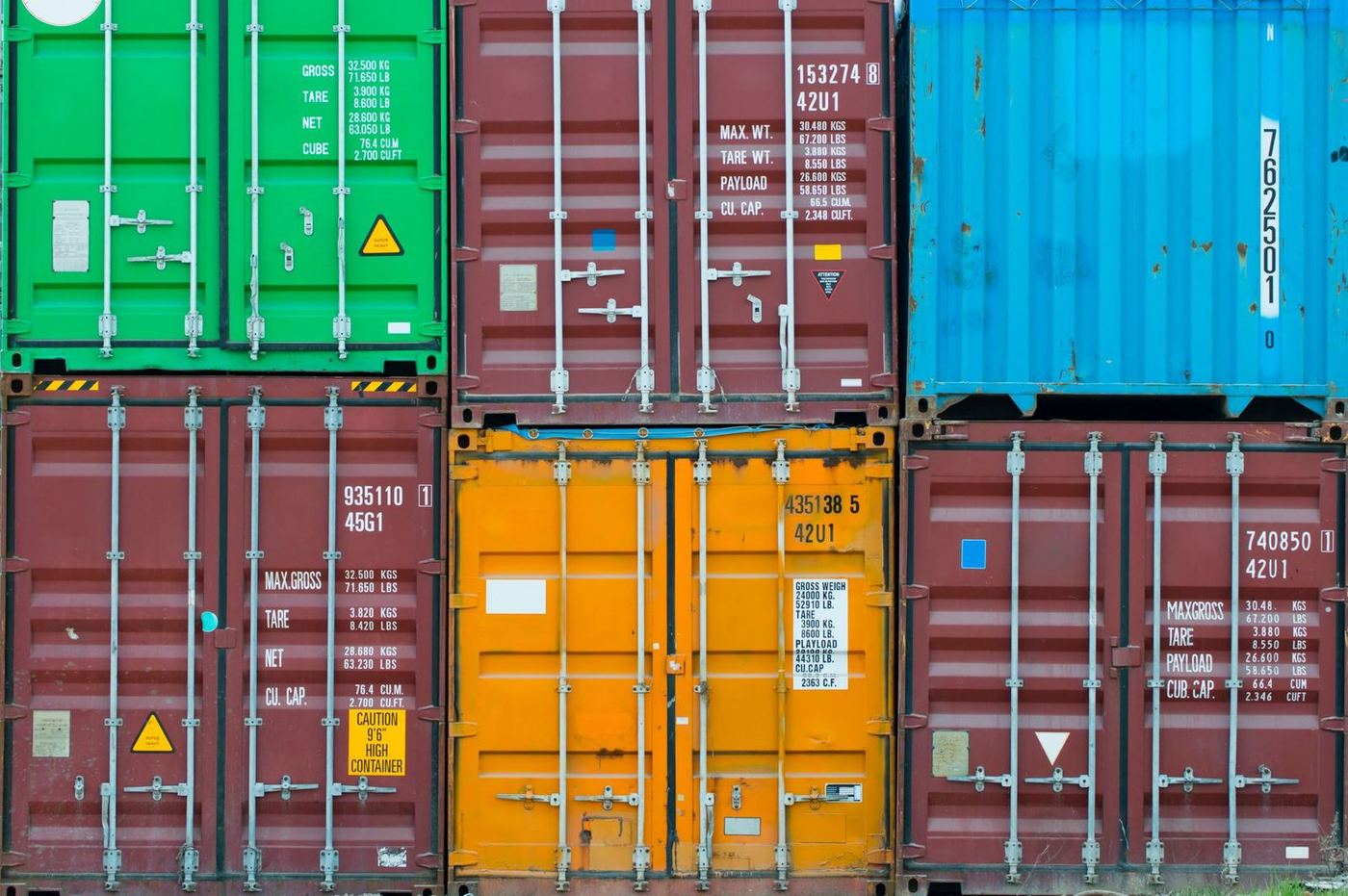
Exports Far Exceed Analyst Predictions
Singapore's non-oil domestic exports (NODX) expanded by 68.4 per cent year-on-year in September, according to Enterprise Singapore data released on Friday. This figure significantly outpaced the 32.2 per cent consensus forecast from private-sector economists polled by Bloomberg. The September growth also extended the revised 46.1 per cent expansion seen in August. OCBC chief economist Selena Ling noted this marked the strongest export performance since February 1980.
Non-Electronics Lead the Charge
The surge was largely led by non-electronic shipments, which grew 54.2 per cent annually in September, a considerable increase from August’s 11.9 per cent. Enterprise Singapore attributed this primarily to substantial exports of ship and boat structures.
Other key contributors to the non-electronics rise included non-monetary gold, up 124.3 per cent, and specialised machinery, which increased 50.4 per cent. Meanwhile, electronics exports also saw strong growth, soaring 107.6 per cent year-on-year in September, supported by strong AI-related demand.
This was a moderation from the 131.6 per cent growth recorded in August, with disk media products (312.4 per cent), integrated circuits (74.7 per cent), and personal computers (149.5 per cent) leading the electronics segment.
Upgraded Full-Year Forecasts
For the first nine months of this year, NODX collectively grew 27.6 per cent year-on-year. Electronics NODX increased 89.5 per cent during this period, while non-electronics rose 8.2 per cent, as noted by OCBC's Ling. Given this healthy year-to-date performance, RHB upgraded its full-year NODX growth forecast to 25 per cent, up from an earlier 15.5 per cent.
Ling also observed an upside risk to OCBC’s own 20 per cent full-year forecast, even if growth moderates to 11.5 per cent in the final quarter due to base effects. DBS senior economist Chua Han Teng highlighted continued uptrends in electronics Purchasing Managers’ Index (PMI) sub-indices, such as new export orders and order backlogs, with inventories being drawn down.
Despite the current export momentum, economists are cautious about the longer-term outlook for AI-driven demand. RHB group chief economist Barnabas Gan and associate research analyst Laalitha Raveenthar anticipate resilient AI demand to underpin exports through year-end, supported by global semiconductor sales reaching a record US$159.7 billion in August.
However, private-sector economists, including OCBC's Ling, expect AI-related spending to ease into 2027, particularly in the second half, potentially weakening demand for Singapore’s exports.
RHB also noted a warning from the Monetary Authority of Singapore (MAS) about a potential "AI infrastructure credit shock," where weaker monetisation could lead hyperscalers to reduce capital expenditure, tightening financial conditions and delaying projects along the AI supply chain. This could create a downturn in global investment and growth, posing a risk to Singapore's export-reliant economy.
This article is journalism, not investment advice; consult a licensed professional before making financial decisions. Market data is indicative, may be delayed, and should be verified with your broker or exchange before use.
Comments.
Comments are moderated. We remove what is unlawful, abusive or off-topic, and and you remain responsible for what you post.
Reader comments open soon. Until then, corrections and responses go to our newsroom, and we publish what we get wrong on Corrections.