Singapore Office Rents Climb 2% in Q3 as AI Demand Tightens Vacancy
Core Central Business District Grade A vacancy fell to 2.6% in the third quarter, with full-year rental growth forecast to exceed 5%.
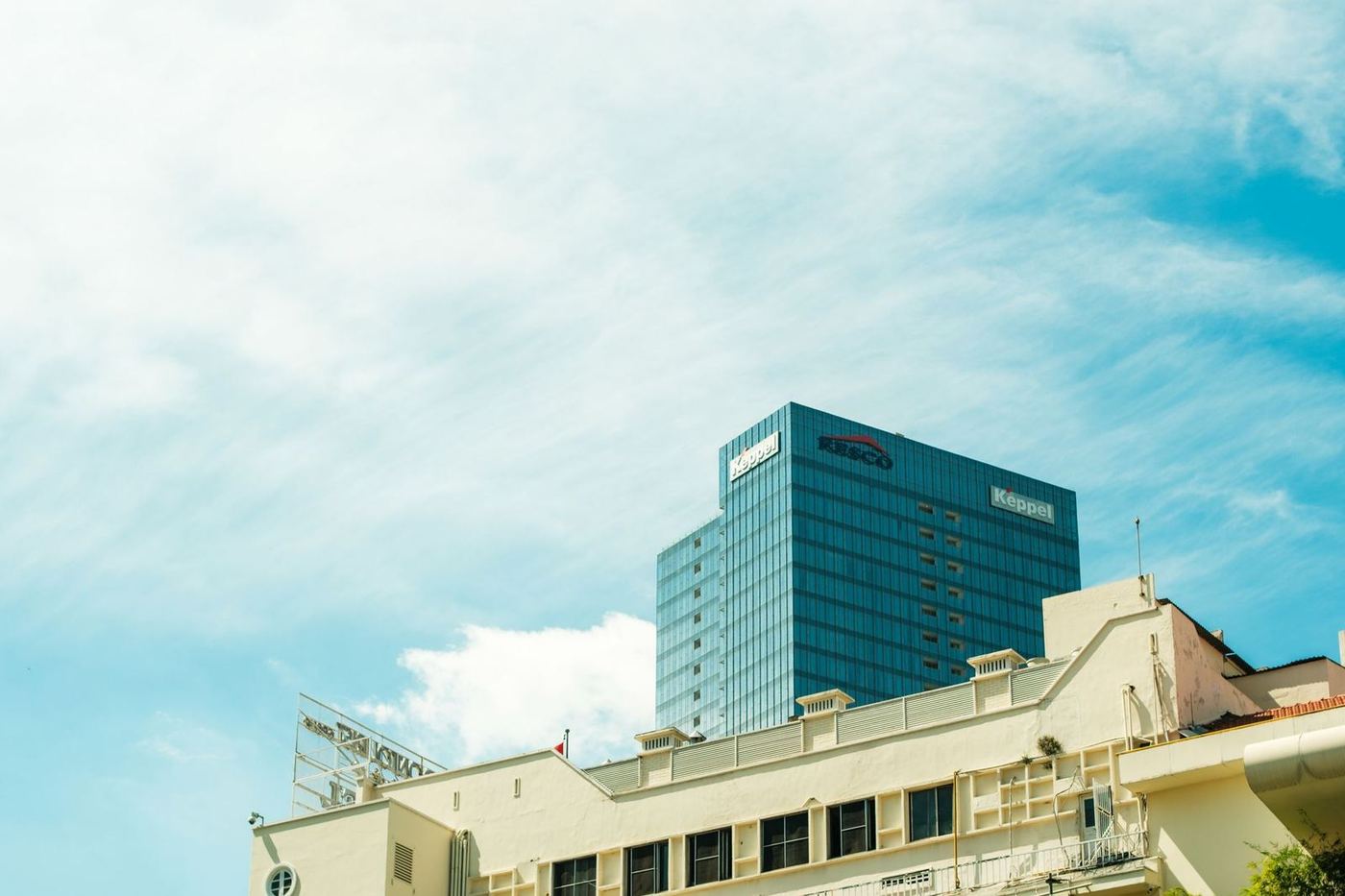
Singapore Office Market Tightens
Singapore's Core Central Business District (CBD) Grade A office rents increased by 2.0% quarter-on-quarter in Q3 2026, reaching S$12.75 per square foot per month, CBRE reported. JLL noted a 1.0% quarterly rise and 2.8% year-to-date growth for the same period. Vacancy rates tightened to 2.6% in Q3, CBRE stated. This comes as AI and technology companies boost leasing demand.
JLL highlighted this trend, with the Financial Times reporting OpenAI is negotiating a 100,000 square foot lease in central Singapore, alongside expansions by Anthropic and Databricks. CBRE forecasts full-year rental growth for 2026 to surpass 5%.
Keppel REIT's Performance
Keppel REIT, with significant exposure to Singapore's prime CBD assets like Marina Bay Financial Centre and One Raffles Quay, reported a 12.8% positive rental reversion in the first half of 2026. Its committed portfolio occupancy stood at 96.0% as of 30 June 2026. The Singapore portfolio's weighted average lease expiry (WALE) was 2.8 years, allowing for rent adjustments.
However, its distribution per unit (DPU) for 1H 2026 declined by 4.0% year-on-year to 2.61 cents. Aggregate leverage was 40.0% in June 2026, with management expecting a reduction to 38.0% pro forma after asset divestments.
Suntec REIT's Occupancy and Leverage
Suntec REIT, holding Singapore office properties including Suntec City Office and Marina Bay Financial Centre Towers 1 and 2, achieved a near-full committed occupancy of 99.5% in its Singapore office portfolio by 30 June 2026. Rental reversion was positive at 10.1% in the first half. The REIT's WALE was 2.4 years, providing opportunities to reset rents.
Suntec REIT's DPU for 1H 2026 increased by 24.8% year-on-year to 3.936 cents. Following a September 2026 strategic review, the REIT plans to divest Australian properties to reduce its overseas holdings. Its aggregate leverage, however, was 43.0% in June 2026, the highest among the four REITs reviewed.
What Rising Rents Mean for REIT Investors
Rising office rents offer Real Estate Investment Trusts (REITs) a chance to increase rental income upon lease renewals. However, this does not automatically translate into higher distributions for investors. Key factors to watch include occupancy rates, rental reversion, and balance sheet strength.
REITs with high occupancy and shorter lease expiries, such as Suntec REIT and Keppel REIT, can capture market rate increases more quickly. Investors will also monitor how financing costs and asset recycling strategies impact distribution per unit, particularly for REITs with higher leverage, as these factors can offset the benefits of rental growth.
This article is journalism, not investment advice; consult a licensed professional before making financial decisions. Market data is indicative, may be delayed, and should be verified with your broker or exchange before use.
Comments.
Comments are moderated. We remove what is unlawful, abusive or off-topic, and and you remain responsible for what you post.
Reader comments open soon. Until then, corrections and responses go to our newsroom, and we publish what we get wrong on Corrections.