Philippine carriers press for airport fee waiver
The Air Carriers Association of the Philippines cites a record-weak peso and doubled jet fuel prices, noting passenger service charges at Ninoy Aquino International Airport have nearly doubled since 2025.
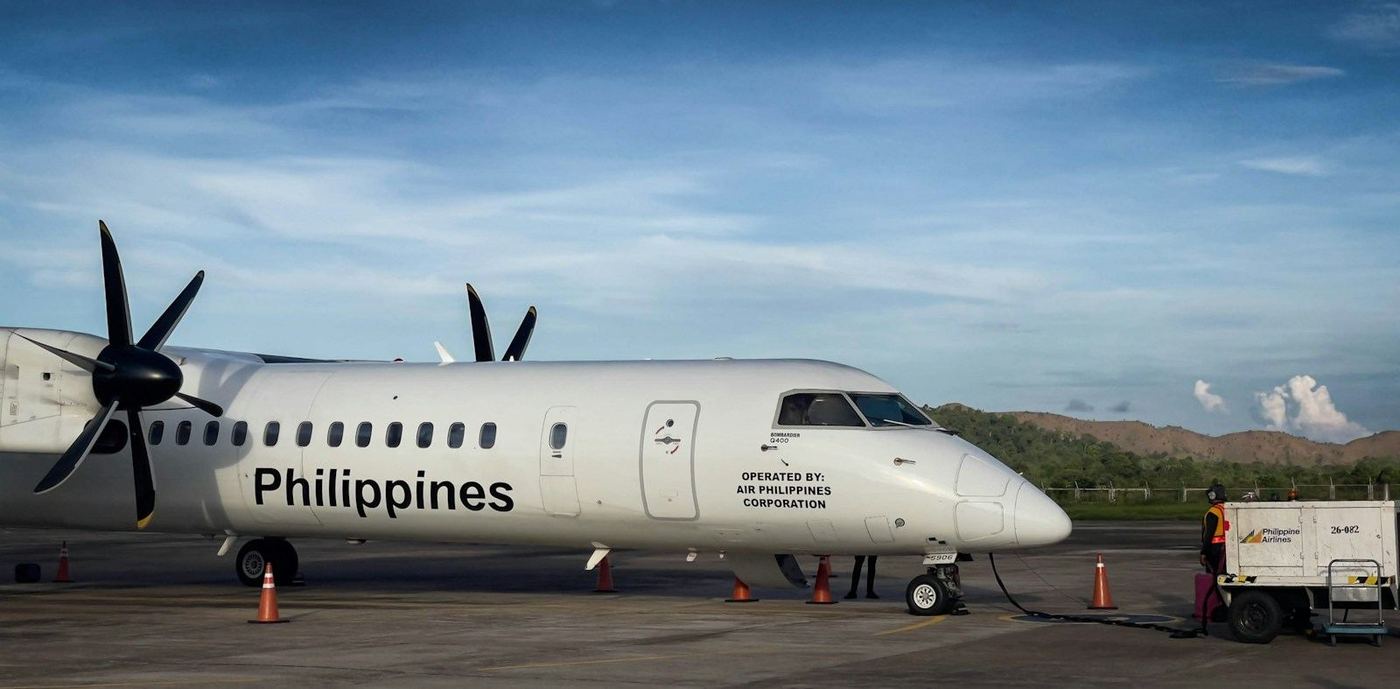
Carriers Seek Fee Waivers
The Air Carriers Association of the Philippines (ACAP) has appealed to the government to suspend airport charges at major hubs, including Ninoy Aquino International Airport (NAIA), Cebu, Davao, and Clark. The plea, directed to transport chief Vince Dizon, comes as local airlines grapple with a record-weak peso and significantly higher jet fuel prices.
ACAP, which includes Cebu Pacific, Philippine Airlines (PAL), and AirAsia Philippines, argues that these factors have doubled travel costs for Filipinos and are threatening carrier viability.
Soaring Operational Costs
The Philippine peso recently weakened past 64 per US dollar, reaching its lowest historical value last week. This depreciation impacts airlines by increasing the dollar-denominated cost of aircraft maintenance, spare parts, and jet fuel, which constitutes a significant portion of their expenses.
Jet fuel prices have also surged, doubling since February 28 to average $196.7 per barrel as of October 23, following geopolitical events in the Middle East. Cebu Pacific, which earns 70% of its revenue domestically but pays 70% of its costs in dollars, reported flying costs rising by half to P30.88 billion by June, from P20.59 billion a year prior. Both Cebu Pacific and PAL posted net losses of P5.91 billion and P1.84 billion respectively.
Impact on Passenger Fees and Traffic
The request for fee waivers also aims to alleviate the burden on passengers, who face increased costs. Passenger service charges (PSC) at NAIA have risen significantly since 2025. International travellers now pay P950, up from P550, while domestic passengers see a jump from P200 to P390. These increases contribute to the overall higher cost of air travel.
The Civil Aeronautics Board reported that air passenger traffic grew by only 1% to 32.7 million in the first half of this year, a sharp slowdown from the 9% growth recorded a year ago. Domestic travel, which saw double-digit expansion last year, is now flat.
The ongoing cost pressures and stagnant passenger growth pose a challenge for the Philippine travel and tourism sector. While Philippine Airlines has partially offset higher costs through dollar-based pricing and fuel surcharges, other carriers like Cebu Pacific are more exposed to currency fluctuations.
A reduction or waiver of airport fees could provide immediate financial relief, potentially stabilising airfare costs for consumers and encouraging travel. Without such measures, the subdued demand and elevated operational expenses may continue to constrain the recovery and expansion of air travel within the Philippines, impacting related industries.
This article is journalism, not investment advice; consult a licensed professional before making financial decisions. Market data is indicative, may be delayed, and should be verified with your broker or exchange before use.
Comments.
Comments are moderated. We remove what is unlawful, abusive or off-topic, and and you remain responsible for what you post.
Reader comments open soon. Until then, corrections and responses go to our newsroom, and we publish what we get wrong on Corrections.