Singapore to Balance Economy, Climate as 2027 ASEAN Chair
As Singapore prepares for its 2027 ASEAN chairmanship, it faces the challenge of aligning economic stability with urgent climate action, as regional survey data shows economic concerns outweigh green initiatives.
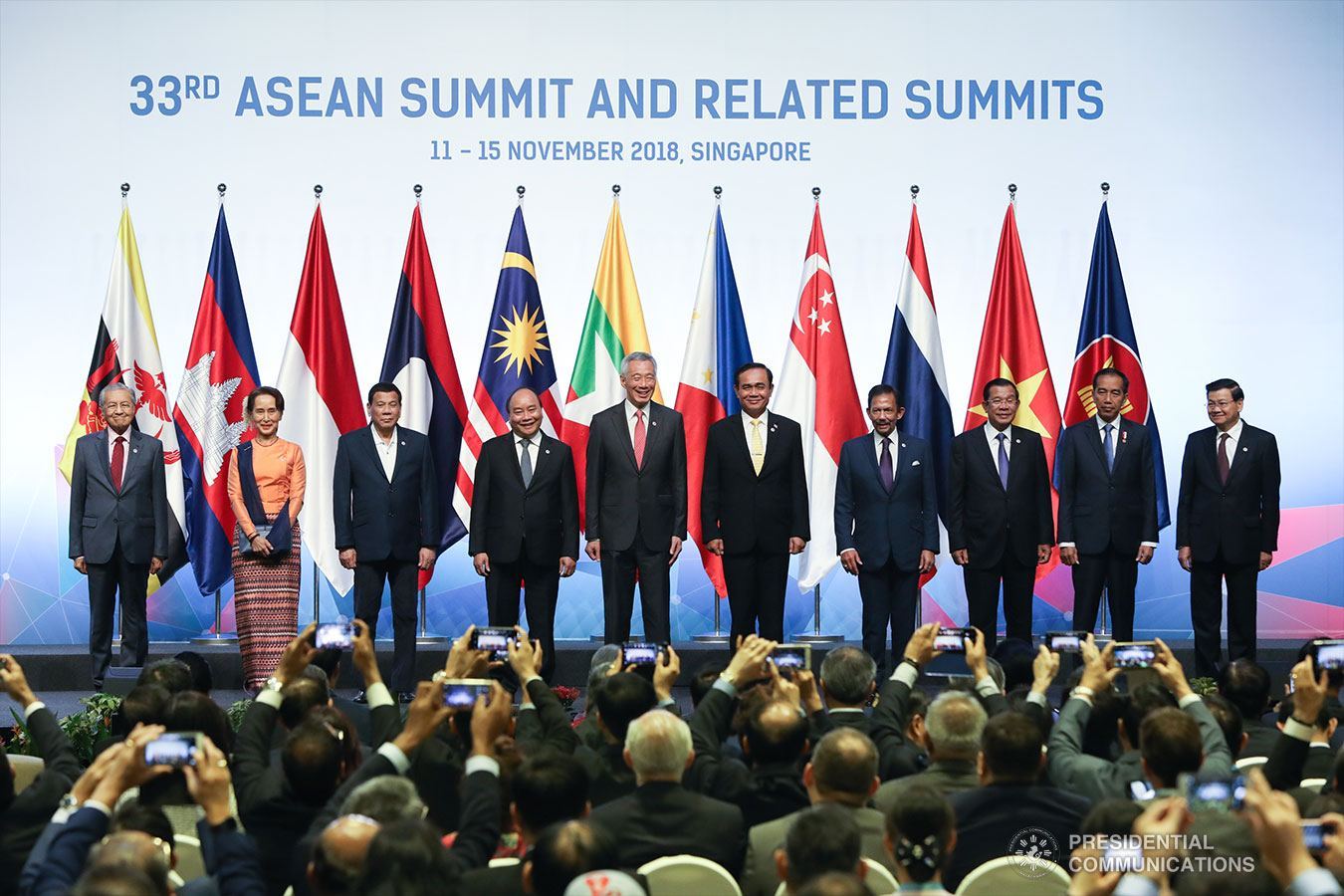
Singapore Assumes 2027 ASEAN Chairmanship
Singapore is set to assume the ASEAN chairmanship in 2027, with a primary focus on navigating the complex interplay between regional economic survival and critical climate action.
This comes as many in Southeast Asia prioritise economic stability, inflation management, and recession concerns over environmental initiatives, according to recent survey data from the ISEAS-Yusof Ishak Institute. The institute's findings highlight a regional sentiment where immediate economic pressures often take precedence over longer-term climate goals.
ASEAN Power Grid, Carbon Credits on Agenda
As ASEAN chair, Singapore is expected to champion policy instruments that integrate economic resilience with green initiatives. Discussions have pointed to the long-awaited ASEAN Power Grid as a key mechanism for enhancing regional energy security and facilitating a transition from fossil fuels.
Furthermore, strategies such as carbon credits and peatland restoration are being considered to unify the region by framing climate solutions within an economic survival context, offering tangible benefits alongside environmental protection.
Addressing Haze and Energy Transition Costs
Singapore's leadership during its chairmanship is anticipated to tackle pressing environmental challenges, including transboundary haze and the phase-out of coal-fired power plants. The agenda will also confront the rising energy costs impacting the region.
Veteran diplomat and climate researcher Sharon Seah, in a discussion hosted by Audrey Tan, examined the specific influence and limitations of the ASEAN chair in effectively driving these significant regional green initiatives and policy changes.
Businesses and investors in Southeast Asia should closely observe Singapore's 2027 ASEAN chairmanship for potential shifts in regional energy policy and the development of carbon markets. Progress on the ASEAN Power Grid could unlock new opportunities in cross-border renewable energy infrastructure and electricity trade.
The emphasis on carbon credits and peatland conservation may also accelerate the growth of nature-based solutions and associated financing, creating new avenues for sustainable investments across the region.
This article is journalism, not investment advice; consult a licensed professional before making financial decisions. Market data is indicative, may be delayed, and should be verified with your broker or exchange before use.
Comments.
Comments are moderated. We remove what is unlawful, abusive or off-topic, and and you remain responsible for what you post.
Reader comments open soon. Until then, corrections and responses go to our newsroom, and we publish what we get wrong on Corrections.