Philippines DOJ confirms agrarian reform programme ended 2014
The Philippine Department of Justice issued an opinion in March 2026, clarifying that the Comprehensive Agrarian Reform Program's sunset clause took effect over a decade ago.
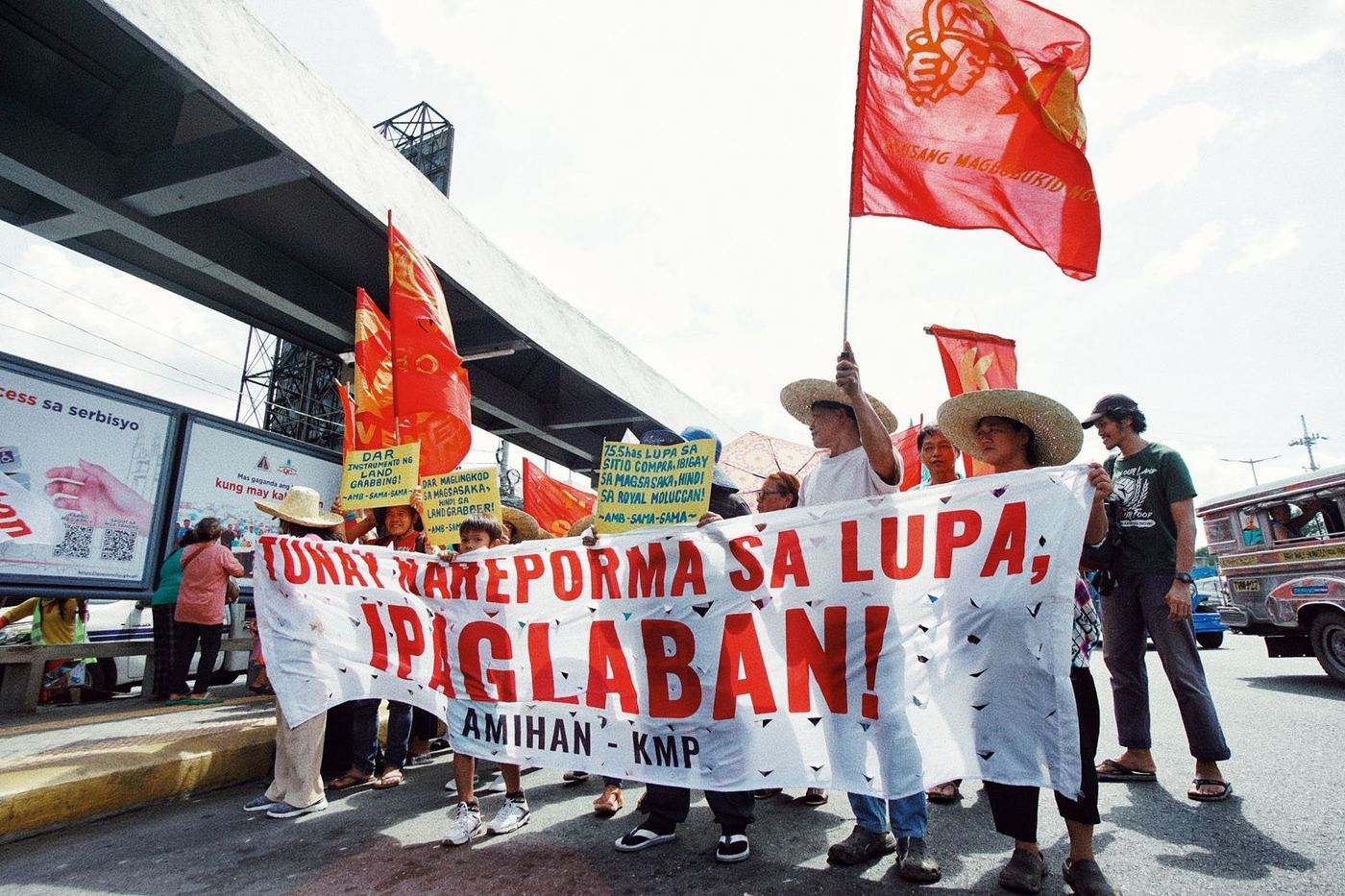
CARP's Official Termination Date
The Philippines' Department of Justice (DOJ) released Opinion 16 on March 9, 2026, confirming the Comprehensive Agrarian Reform Program (CARP) effectively ceased on June 30, 2014. This termination resulted from a 'sunset clause' embedded within Republic Act 6657, also known as the Comprehensive Agrarian Reform Law of 1988, as amended by RA 9700.
The clause automatically ended the Department of Agrarian Reform's (DAR) authority to acquire and distribute private agricultural lands exceeding established retention limits, marking the formal conclusion of the decades-long programme.
Context of the Legal Opinion
The DOJ's ruling was prompted by a request from the Land Registration Authority (LRA) on February 18, 2026. The LRA sought clarification on whether a Land Transfer Clearance from the DAR remained a mandatory requirement for registering transfers of agricultural lands, given the lapse of CARP's acquisition and distribution period.
This followed an earlier draft Administrative Order from the DAR, signed by its Secretary on January 27, 2026, which reached a similar conclusion but was not officially released. The sequence suggests a deliberate choice to use the DOJ opinion for broader executive authority.
Economic Criticisms of CARP
Prominent economists, including National Scientist Dr. Raul Fabella, have long criticised CARP's economic framework. Dr. Fabella noted that while 5.05 million of the 5.37 million targeted hectares were distributed by 2014, the programme often had the opposite effect on farmers' economic welfare.
Agricultural productivity in major cash crops like coconut and sugar saw drastic declines. Furthermore, poverty incidence among agrarian reform beneficiaries in 2011 stood at 54%, higher than for farmers generally, creating a 'landed poor' class.
CARP inadvertently damaged the rural credit market, as its rules prohibited farmers from selling or mortgaging their land for 10 years and capped ownership at five hectares. This caused banks to cease accepting agricultural land titles as collateral, cutting off formal credit access for farmers to invest in seeds, fertilisers, or machinery.
The DOJ's opinion now clears the way for agribusiness to make critical investments towards national food security. By removing the five-hectare limit's restrictions, it enables greater efficiency through economies of scale, fostering more competitive agricultural production.
This article is journalism, not investment advice; consult a licensed professional before making financial decisions. Market data is indicative, may be delayed, and should be verified with your broker or exchange before use.
Comments.
Comments are moderated. We remove what is unlawful, abusive or off-topic, and and you remain responsible for what you post.
Reader comments open soon. Until then, corrections and responses go to our newsroom, and we publish what we get wrong on Corrections.