Climate adaptation: Asia-Pacific faces US$27bn annual flood losses
A new survey of 18,000 people shows deep concern over global warming's effects on jobs and living costs, with businesses expected to deliver solutions.
Public concern drives adaptation agenda
A new survey reveals widespread public concern about preparing for the effects of global warming. Commissioned by Morphosis, Vibe Fund, and CORE, the poll gathered responses from 18,000 individuals across 18 countries. Respondents expressed deep apprehension regarding how climate change will impact their jobs and the cost of living.
This indicates that the urgency for adaptation is now a central public concern, even where discussions on net-zero emissions might still divide societies.
Asia-Pacific bears significant climate costs
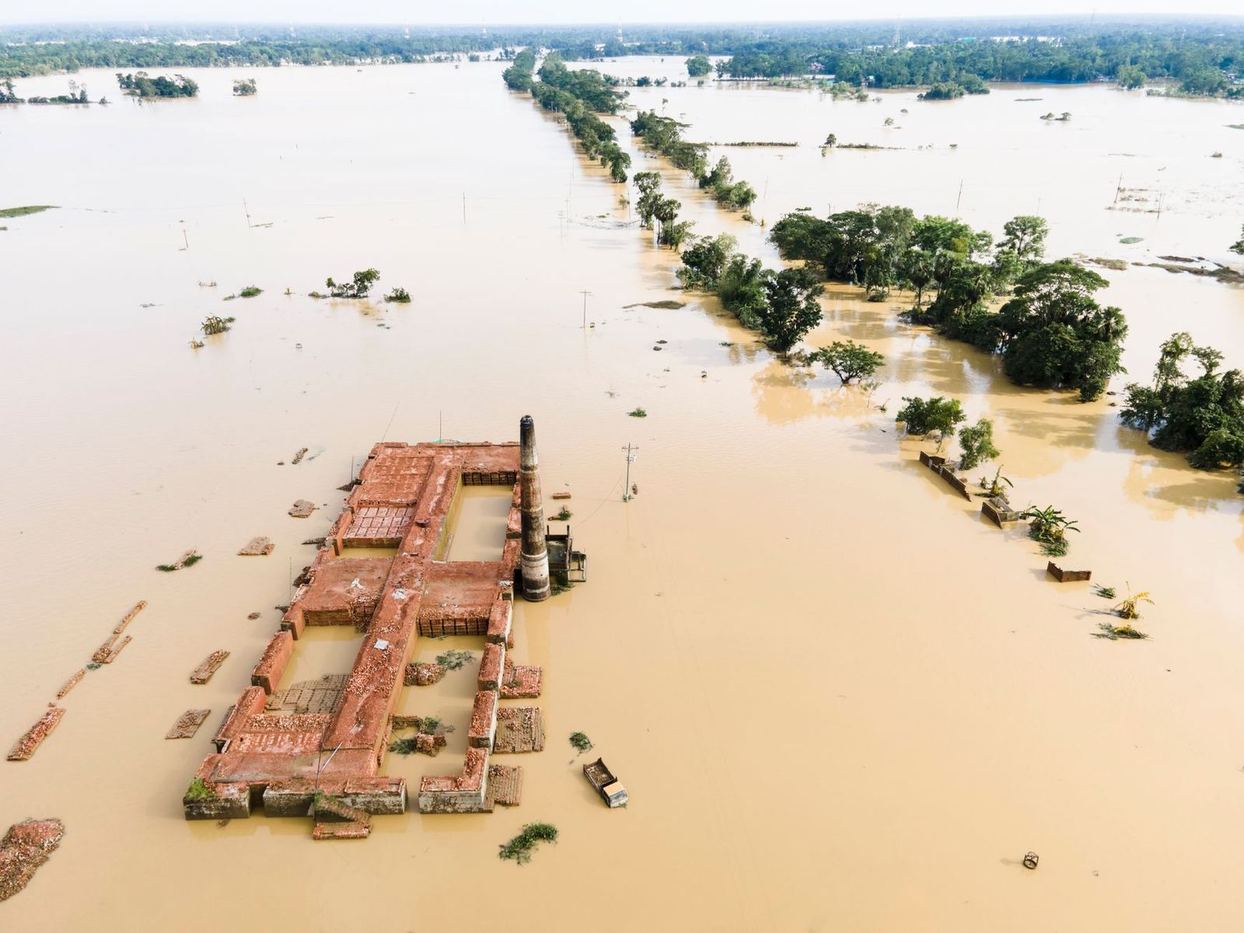
New research shows coastal flooding already causes US$27 billion in annual damage across the Asia-Pacific region. These losses are projected to increase substantially as sea levels continue to rise throughout the century. The economic dimension of climate change, rather than just emergency planning, is now a primary focus for many people. This converts general environmental worries into politically relevant demands for action.
Businesses expected to deliver solutions
The survey also clarifies public expectations for climate action. Respondents believe governments hold responsibility for advancing adaptation, including securing public safety, protecting vulnerable groups, providing critical infrastructure, and ensuring accessible and affordable food, water, and energy.
Businesses, conversely, are expected to provide cost-effective adaptation solutions. This demand particularly applies to the development and deployment of new technologies.
The increasing economic toll of climate events, particularly the US$27 billion in annual coastal flooding damage in Asia-Pacific, creates a clear market for adaptation solutions. Asian businesses in infrastructure, technology, and engineering face both pressure and opportunity to develop and deploy these measures.
Policy shifts, exemplified by the UK's recent climate taskforce formations after a severe summer, suggest governments will increasingly mandate or incentivise climate resilience. This will affect supply chains and capital allocation across Asia, driving investment into protective infrastructure and climate-resilient operations.
This article is journalism, not investment advice; consult a licensed professional before making financial decisions. Market data is indicative, may be delayed, and should be verified with your broker or exchange before use.
Comments.
Comments are moderated. We remove what is unlawful, abusive or off-topic, and and you remain responsible for what you post.
Reader comments open soon. Until then, corrections and responses go to our newsroom, and we publish what we get wrong on Corrections.