US Fisheries Agency Plans Looser Domestic Fishing Rules
The US National Oceanic and Atmospheric Administration (NOAA) Fisheries released 34 priorities on 2 September, intending to reduce restrictions on where, when and how fishers operate.
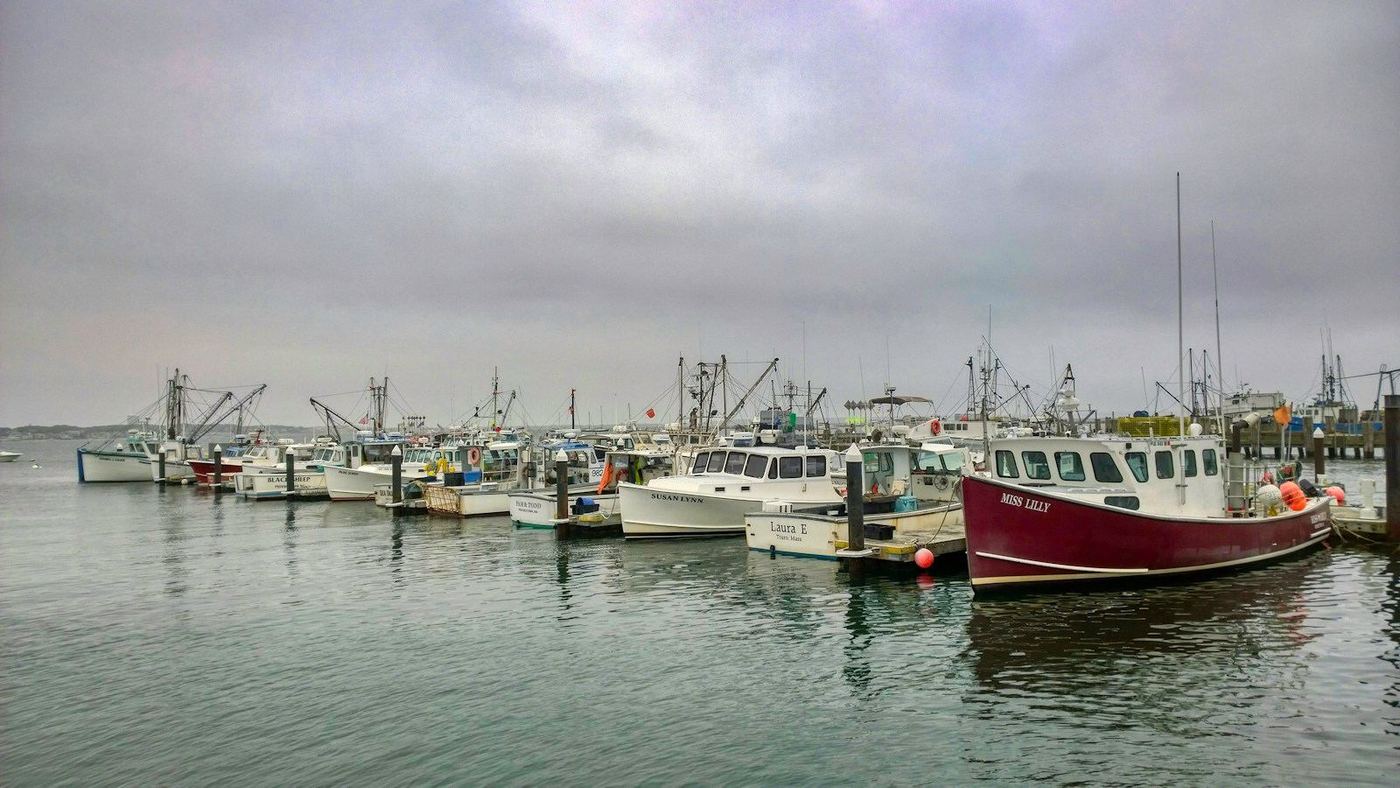
NOAA Fisheries Outlines Deregulation Plan
The US National Oceanic and Atmospheric Administration (NOAA) Fisheries announced 34 new priorities on 2 September, signalling its intent to ease domestic fishing regulations. These guidelines aim to reduce controls on fishing locations, timing, and equipment used by commercial operators.
The agency, which oversees scientific research, data collection, and regulation for US commercial fishing, published these priorities as part of a broader commitment to deregulate the industry. This move follows an executive order from President Donald Trump in April 2025, which sought to promote domestic fishing and eliminate what it termed "unnecessary regulations."
Key Restrictions Targeted for Removal
Among the specific changes, NOAA Fisheries proposes rolling back existing restrictions on fishing activity near protected marine species. The agency also plans to lift fishing bans within marine national monuments, which are designated ocean areas preserved for natural, scientific, and cultural assets.
Furthermore, the priorities recommend weakening NOAA Fisheries’ "national standards," which have served as the fundamental regulatory framework for the agency since its inception.
Assistant Administrator Eugenio Piñeiro Soler stated the agency's mandate is to "regulate only where necessary, innovate where possible, and always evaluate our work by the real-world economic and conservation results."
Environmental Concerns Over Stock Health
Conservation groups have voiced significant concerns regarding these proposed changes, warning of potential overfishing and long-term damage to vital ocean ecosystems. Reggie Paros, senior director of public affairs at the Environmental Defense Fund, noted that reducing regulations and overfishing valuable stocks could take years to restore them to healthy levels.
Andrea Treece, deputy managing attorney for the Oceans Program at Earthjustice, described the targeted restrictions as "the absolute basics of conserving a healthy ocean ecosystem," essential for sustainable fisheries.
The administration’s proposed fiscal year 2027 budget also includes substantial cuts to NOAA Fisheries, affecting management, surveys, and data collection programmes.
While these policy shifts directly target US domestic fishing, the deregulation of such a significant global fishery could ripple into international seafood markets. Reduced US oversight might lead to increased domestic supply, potentially altering import demands or global pricing for certain species.
Asian economies, heavily reliant on seafood trade and often facing their own challenges in sustainable fisheries management, may observe these developments closely. Any increase in overfishing within US waters could also set a precedent or create pressure on global marine resource management efforts, especially concerning shared migratory stocks or endangered species.
This article is journalism, not investment advice; consult a licensed professional before making financial decisions. Market data is indicative, may be delayed, and should be verified with your broker or exchange before use.
Comments.
Comments are moderated. We remove what is unlawful, abusive or off-topic, and and you remain responsible for what you post.
Reader comments open soon. Until then, corrections and responses go to our newsroom, and we publish what we get wrong on Corrections.