Philippine DOE forecasts P8 diesel cut on Saudi export return
The Department of Energy anticipates a P6 per litre reduction for kerosene, with a smaller P0.90 cut for gasoline still under review, following global market shifts.
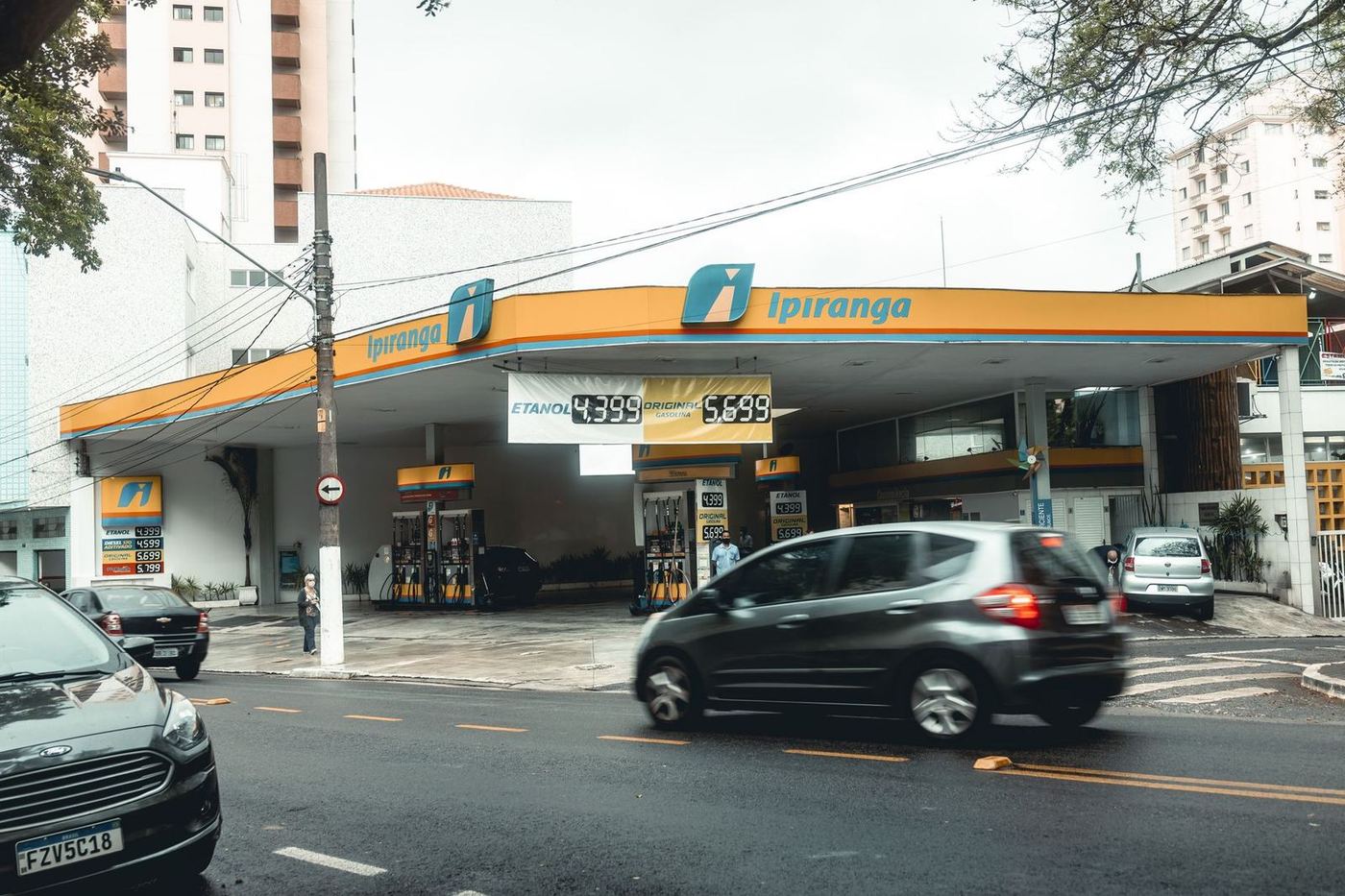
Anticipated Fuel Price Reductions
The Philippines' Department of Energy (DOE) expects substantial fuel price reductions by the end of September. Diesel prices could fall by as much as P8 per litre, following three consecutive weeks of increases. Kerosene is also projected to decrease by P6 per litre. A P0.90 per litre cut for gasoline, however, remains uncertain, pending further market movements.
Global Market Easing Drives Rollback
These anticipated reductions stem from a calming global oil market, according to Rino Abad, Director of the DOE's Oil Industry Management Bureau. Saudi Arabia recently announced the partial resumption of its oil export operations, restoring 40% of its capacity.
This return of supply from the Persian Gulf has eased market pressures, especially for the Asia Pacific region, which is a key client for Saudi crude.
Previous Hikes and Policy Responses
The expected price relief follows three weeks of steep increases, which Abad attributed to escalating tensions in the Red Sea and damage to Saudi Arabia's Yanbu pipeline. This pipeline provides an alternative export route, bypassing the Strait of Hormuz, which is currently affected by ongoing conflicts.
Given the Philippines imports 98% of its oil from the Middle East, it is particularly sensitive to such disruptions. Separately, the Department of Finance has recommended excise tax relief for liquefied petroleum gas (LPG) and kerosene, but excluded diesel and gasoline to avoid a potential P12 billion monthly revenue loss. President Ferdinand Marcos Jr. will review this proposal.
The projected fuel price rollbacks offer a welcome reprieve for Philippine businesses and consumers, directly lowering operational costs for the transport sector. This could alleviate pressure on inflation, which has been a persistent concern.
However, the government's stance on proposed fare increases and the President's decision on excise tax relief for LPG and kerosene will further shape the overall cost environment for businesses and households in the coming weeks.
This article is journalism, not investment advice; consult a licensed professional before making financial decisions. Market data is indicative, may be delayed, and should be verified with your broker or exchange before use.
Comments.
Comments are moderated. We remove what is unlawful, abusive or off-topic, and and you remain responsible for what you post.
Reader comments open soon. Until then, corrections and responses go to our newsroom, and we publish what we get wrong on Corrections.