Oil Futures Drop as US, Iran Discuss Hormuz Shipping Route
West Texas Intermediate futures settled near $92 a barrel, marking their first weekly decline since late August amid hopes for increased crude supply from US-Iran talks.
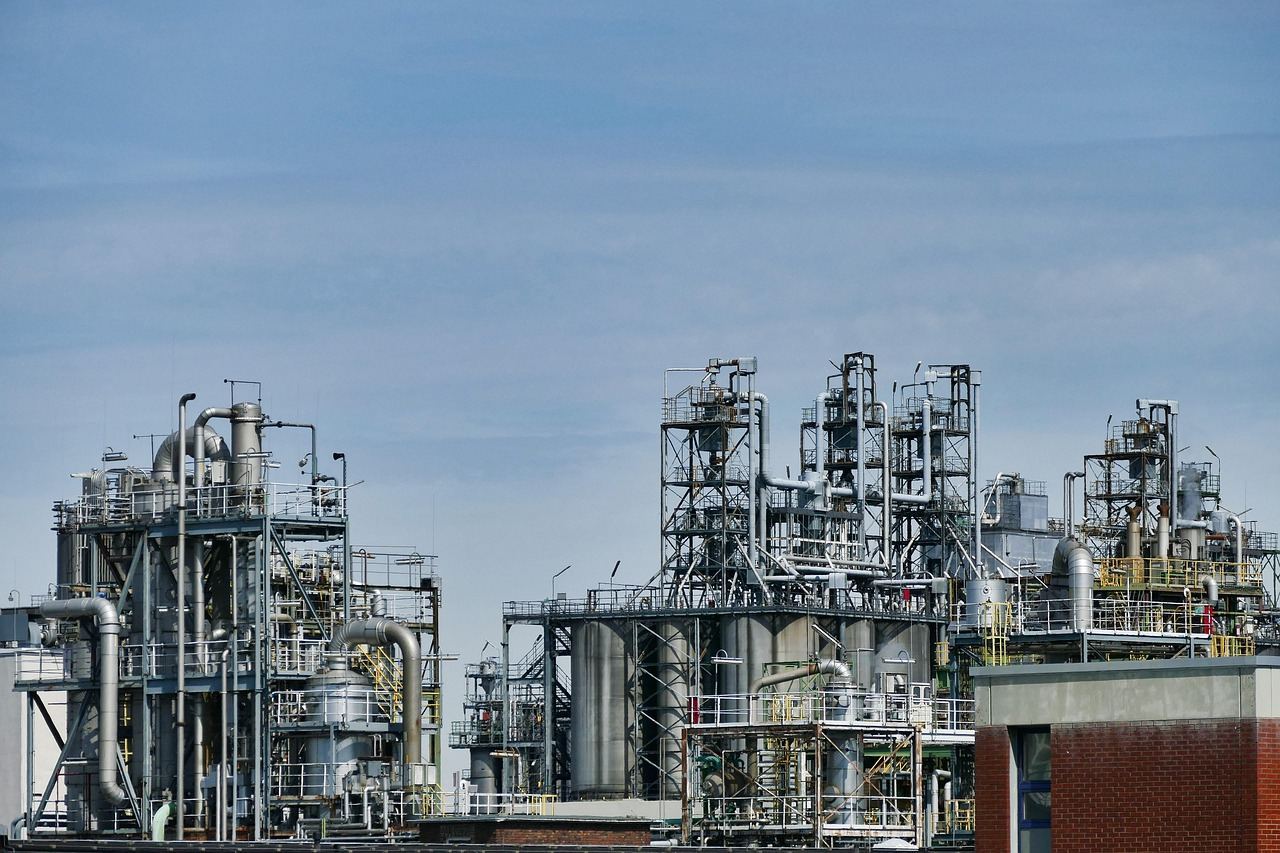
WTI Futures See First Weekly Decline
West Texas Intermediate (WTI) crude futures concluded the week near $92 a barrel, registering an approximate 2.3% fall. This decline marks the first weekly drop for WTI since late August, driven by initial indications of progress in discussions between the United States and Iran. Traders anticipate these negotiations could lead to an increase in global crude supply, easing market tightness.
Hormuz Talks Progress, but Caution Remains
The US and Iran are reportedly seeking a breakthrough to reopen the Strait of Hormuz, a critical energy shipping route, and lift US blockades on Iranian ports. However, such diplomatic efforts have often faltered previously. Emily Ashford, head of energy research at Standard Chartered Bank, noted that past similar announcements have yielded little traction. She cautioned that even a diplomatic success would not immediately restore disrupted flows or normalise shipping.
Physical Market Tightness Persists
Despite the retreat in front-month futures, physical crude markets still show signs of tightness. Brent’s prompt spread, which measures the difference between its two nearest contracts, has widened to almost $7 a barrel, up from less than $1 at the end of August. This backwardation pattern typically signals a constrained market.
Additionally, traders paid record premiums on 26 September for prompt barrels at Cushing, Oklahoma, the main US crude-storage hub. Dated Brent, a key physical market indicator in Europe, also trades at a significant premium to futures.
Saudi Arabia has reportedly informed some European refiners of no crude allocations for October under long-term agreements, following attacks on its East-West pipeline.
Diesel Export Ban Speculation and Asian Impact
Speculation persists regarding a potential short-term US ban on diesel exports, with the White House analysing its ramifications. Market participants remain sceptical that such a move would offer lasting relief to domestic fuel prices.
For Asian economies, which are major energy importers, global oil price volatility translates directly into higher operational costs and inflationary pressures. Brent crude remains more than 70% higher for 2026, intensifying these cost burdens across the region.
Any sustained increase in supply from the reopening of the Strait of Hormuz would offer much-needed relief to Asian businesses and consumers.
This article is journalism, not investment advice; consult a licensed professional before making financial decisions. Market data is indicative, may be delayed, and should be verified with your broker or exchange before use.
Comments.
Comments are moderated. We remove what is unlawful, abusive or off-topic, and and you remain responsible for what you post.
Reader comments open soon. Until then, corrections and responses go to our newsroom, and we publish what we get wrong on Corrections.