Thailand, Vietnam Solar Shift Pressures Laos Power Exports
Laos earns US$2.6 billion annually from electricity sales, but key importers Thailand and Vietnam are investing heavily in domestic solar and wind generation.
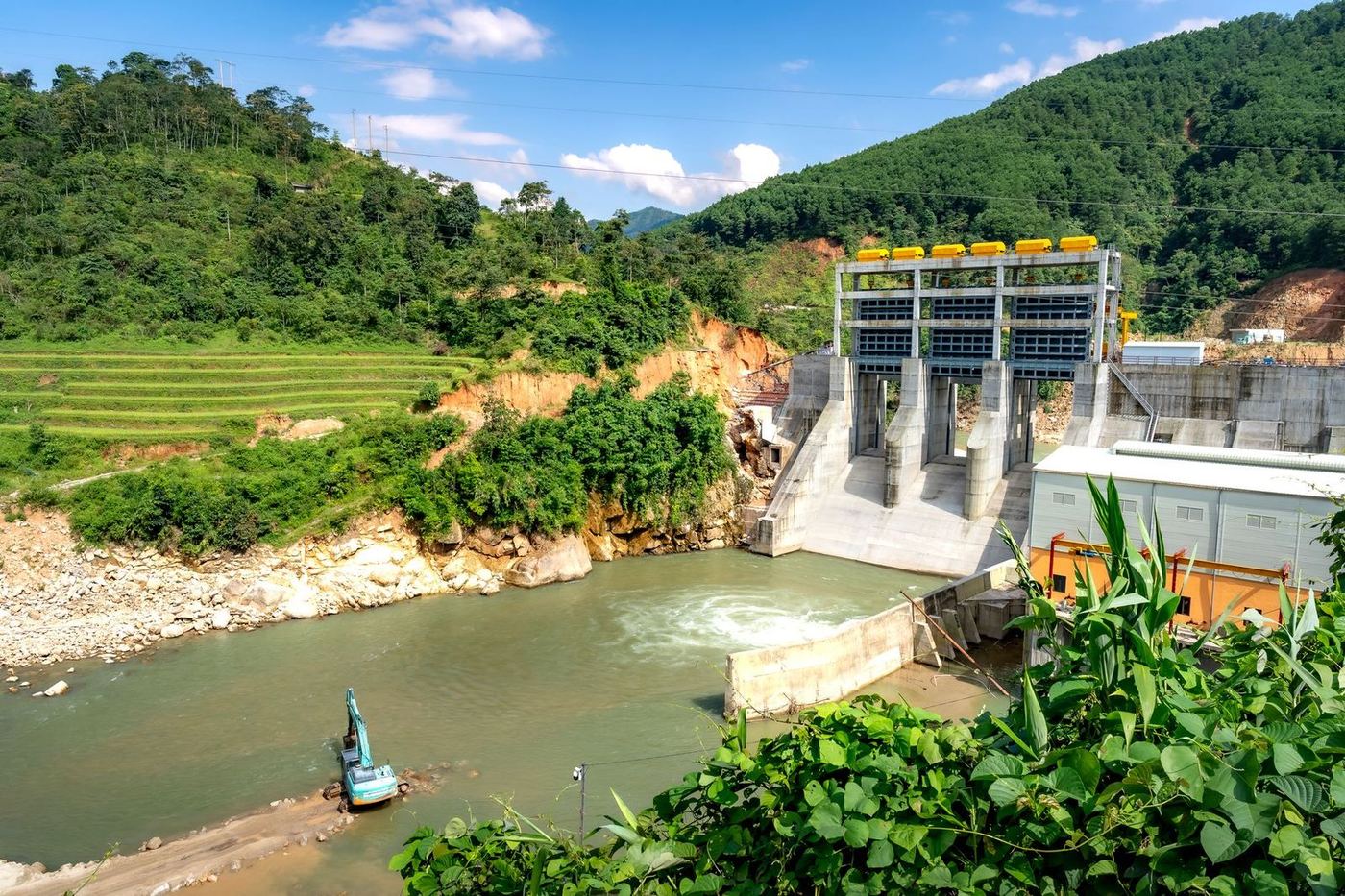
Laos's Export-Driven Energy Economy
Laos currently generates US$2.6 billion each year from exporting 80 per cent of its electricity, primarily hydropower, to neighbouring countries. Nations including Thailand, Vietnam, Cambodia, Singapore, and Malaysia have historically relied on this supply.
However, the regional energy landscape is undergoing a transformation, with growing investments in non-hydro renewable sources and initial steps towards a more interconnected power grid across Southeast Asia. This shift is creating new competition for Laos's established hydropower exports.
Thailand's Domestic Renewable Push
Thailand, historically the largest importer of Lao power, is now significantly expanding its domestic renewable energy capacity. In September 2026, Thailand announced plans to install 5 gigawatts (GW) of rooftop solar within a year.
Its draft Power Development Plan 2026 further indicates that nearly half of all new renewable capacity between 2026 and 2037, totalling almost 51 GW, will come from solar. This strategic move aims to reduce Thailand's dependence on imported liquefied natural gas (LNG) and insulate its energy supply from external price shocks.
Vietnam's Evolving Import Strategy
Vietnam's manufacturing sector is driving a surge in electricity demand, with consumption hitting 1 billion kilowatt-hours (kWh) in March 2026 and 1.1 billion kWh by May 2026.
While energy imports from Laos increased by nearly 120 per cent in the first quarter of 2026 compared to the same period in 2025, Vietnam's revised Power Development Plan targets increasing imports from Laos to at least 8 GW by 2030, up from 5 GW in its 2023 plan and 1.5 GW in 2025.
Concurrently, Vietnam is boosting grid interconnectivity with Laos, including a new 75-kilometre transmission line from the Nam Nha hydropower complex. Wind power projects, such as the cross-border Monsoon project which began supplying Vietnam in late 2025, are also becoming a key component of these imports.
The diversification strategies of Thailand and Vietnam present a strategic challenge for Laos's long-term energy export revenue. While Vietnam plans to significantly increase overall power imports from Laos, the growing emphasis on domestic solar and wind in both key markets signals a shift in the regional energy mix.
Laos, as a major hydropower exporter, will need to adapt its energy development plans to these evolving regional demands. Future investment in large-scale hydropower projects, such as the 1.5 GW dam near Luang Prabang planned for 2030, may face increased scrutiny regarding their economic viability amid these changes.
This article is journalism, not investment advice; consult a licensed professional before making financial decisions. Market data is indicative, may be delayed, and should be verified with your broker or exchange before use.
Comments.
Comments are moderated. We remove what is unlawful, abusive or off-topic, and and you remain responsible for what you post.
Reader comments open soon. Until then, corrections and responses go to our newsroom, and we publish what we get wrong on Corrections.