Korean Chipmakers Prioritise Domestic Investment Over Europe Fabs
South Korean chip giants Samsung and SK Hynix are directing €510 billion into domestic expansion, with high European production costs and uncertain funding deterring major factory builds there.
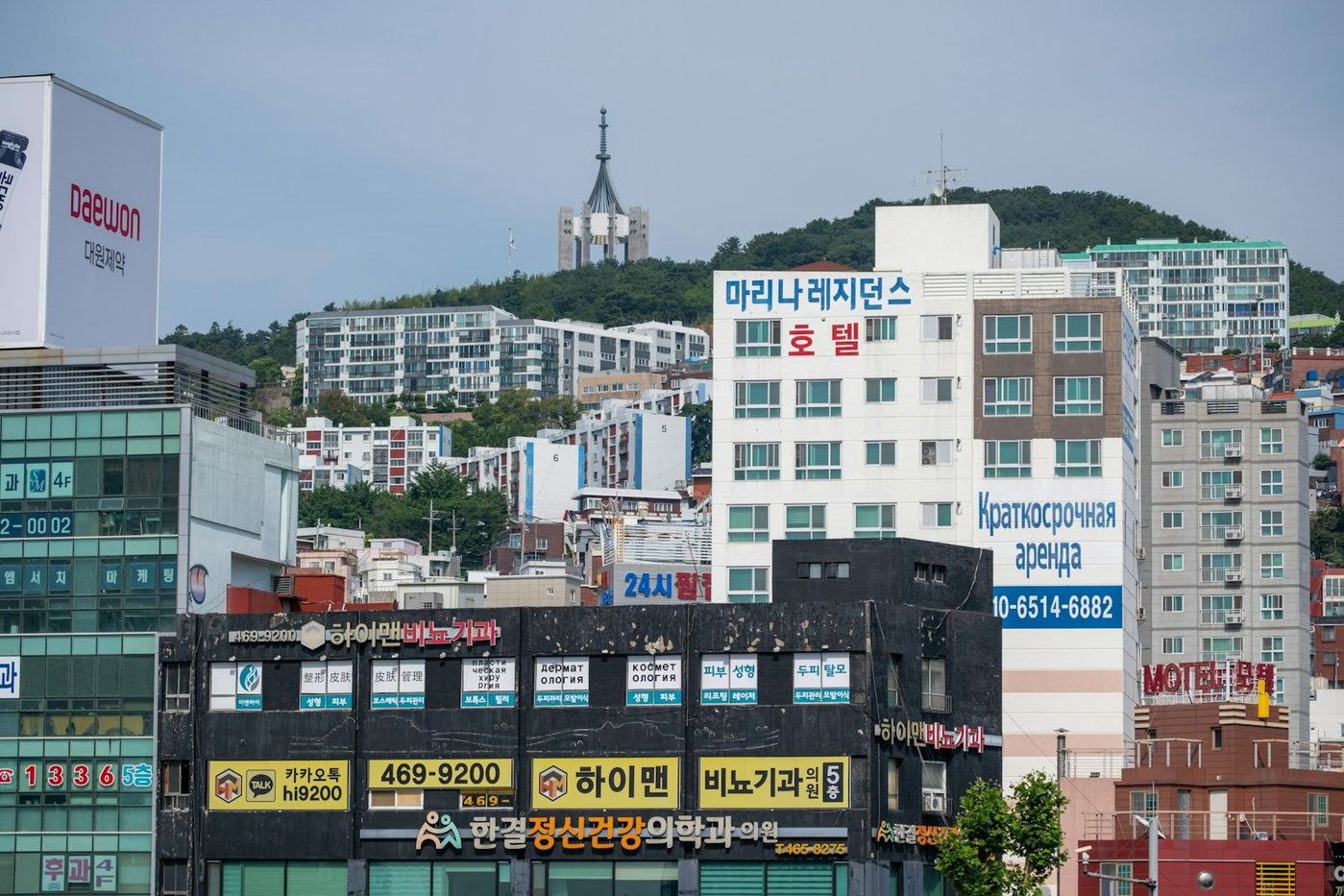
Korean Chipmakers Prioritise Domestic Investment
South Korean semiconductor manufacturers, including Samsung and SK Hynix, are favouring significant domestic investment over establishing new fabrication plants in Europe. A study by the Berlin-based technology policy think tank interface indicates that elevated production expenses, unpredictable public funding, and questionable demand in Europe are dissuading these firms.
Interface reports that Samsung and SK Hynix are collectively investing approximately 900 trillion won (€510 billion) into their home operations. This comes despite Europe's need for memory chips, a market segment largely dominated by South Korean companies, particularly for artificial intelligence applications.
Europe's High Production Costs and Funding Gaps
Manufacturing semiconductors in Europe is substantially more expensive than in Asia, according to research by ZVEI, the German electrical and digital industry association. ZVEI found European chipmaking costs to be 15 to 30 per cent higher than in Asia's most competitive locations.
In Germany, personnel costs are three to four times greater, electricity costs two to three times higher, and construction costs 20 to 25 per cent higher. The European Commission estimates an advanced chip factory could cost between €20 billion and €40 billion, yet the availability of public funding under the proposed EU Chips Act 2.0 remains uncertain.
Market Share, Demand, and Smaller Partnerships
Samsung and SK Hynix jointly command about two-thirds of the global market for DRAM [dynamic random-access memory], a key component in AI accelerators, as noted by interface. By contrast, Europe accounts for less than 10 per cent of worldwide semiconductor wafer manufacturing capacity, according to the same interface study.
While Europe expects its demand for processors and memory to roughly triple by 2040, according to ZVEI, the interface study questions if this demand would justify a large Korean factory. The think tank suggests Europe should pursue smaller, targeted partnerships instead of chasing major fabrication plants.
Assessing EU-South Korea Semiconductor Cooperation
The interface study argues that a Korean factory in Europe would not directly enhance South Korea's own competitiveness, highlighting a divergence in priorities. Existing collaborations include SK Hynix's partnership with Belgium's imec research centre since 2007, and Dutch equipment maker ASML opening an R&D campus in South Korea in November 2025.
The interface study warns that the Competitiveness Partnership launched by the EU and South Korea in June 2026 requires sustained political backing to foster meaningful growth. Asian chipmakers will continue to weigh global expansion against domestic strategic advantages and cost efficiencies.
This article is journalism, not investment advice; consult a licensed professional before making financial decisions. Market data is indicative, may be delayed, and should be verified with your broker or exchange before use.
Comments.
Comments are moderated. We remove what is unlawful, abusive or off-topic, and and you remain responsible for what you post.
Reader comments open soon. Until then, corrections and responses go to our newsroom, and we publish what we get wrong on Corrections.