Korean Air Mileage Debt Reaches W3.1tn Amid Falling Redemptions
South Korea's Ministry of Land, Infrastructure and Transport reported Korean Air's deferred revenue from unused customer mileage climbed 9.7% by mid-2026, even as usage declined for two years.
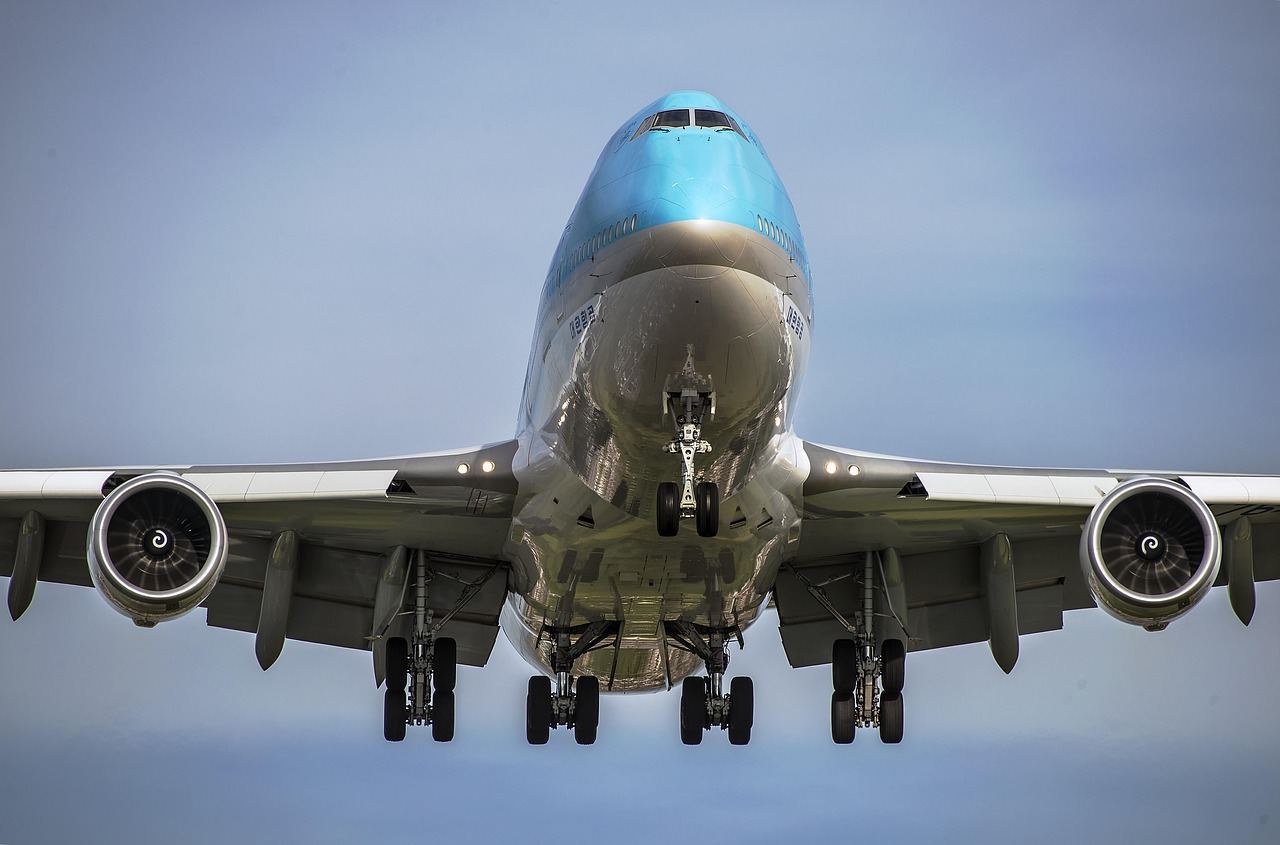
Rising Mileage Liabilities
Korean Air's deferred mileage liabilities reached W3.1 trillion ($2.3 billion) by mid-2026, according to South Korea's Ministry of Land, Infrastructure and Transport. This marked a 9.7% increase from W2.8 trillion at the close of last year. Deferred mileage revenue represents the accounting value of future services an airline is obligated to provide for unused customer mileage.
The carrier attributed this rise partly to higher mileage accumulation amid growing travel demand, alongside some passengers delaying usage while awaiting clarity on the mileage programme following its integration with Asiana Airlines.
Industry-Wide Accumulation
Asiana Airlines also reported significant deferred mileage revenue, totalling W936.1 billion at the end of 2025. Combining the end-2025 figures for both major South Korean carriers, Korean Air (W2.8 trillion) and Asiana Airlines (W936.1 billion), reveals a collective liability of W3.7361 trillion at that time.
This substantial accumulation across the industry highlights the growing financial obligations tied to customer loyalty programmes, particularly as travel patterns shift and airline mergers introduce uncertainty for consumers.
Declining Usage Trends
Despite the increase in accumulated mileage, the proportion of award tickets paid for with mileage has steadily declined. Mileage tickets accounted for 11.8% of Korean Air’s total passenger traffic in 2023, falling to 11% in 2024, and further to 10.3% in 2025. This marks a consecutive two-year decline.
The total travel distance by passengers using mileage tickets also saw a 5.1% drop in 2025, decreasing to 8 billion kilometres from 8.4 billion kilometres a year earlier. Korean Air noted that current mileage ticket usage remains above pre-pandemic 2019 levels.
This growing liability and the falling redemption rates suggest South Korean carriers may face increasing pressure to manage their mileage programmes. Calls for greater award ticket availability are emerging from figures such as Chang Jong-tae, a lawmaker on the National Assembly’s Land, Infrastructure and Transport Committee.
He argued that customers should readily use their accrued mileage, particularly on popular routes and during peak travel times. Airlines thus face the operational challenge of balancing these financial obligations with customer satisfaction, potentially leading to adjustments in award seat allocations or programme terms to manage the rising debt and meet consumer expectations.
This article is journalism, not investment advice; consult a licensed professional before making financial decisions. Market data is indicative, may be delayed, and should be verified with your broker or exchange before use.
Comments.
Comments are moderated. We remove what is unlawful, abusive or off-topic, and and you remain responsible for what you post.
Reader comments open soon. Until then, corrections and responses go to our newsroom, and we publish what we get wrong on Corrections.