India Inc profits slide, FPIs pull out amid West Asia conflict
Foreign portfolio investors withdrew ₹60,847 crore from India in H1 FY27, as rising oil prices and a lack of AI investment opportunities impacted corporate earnings.
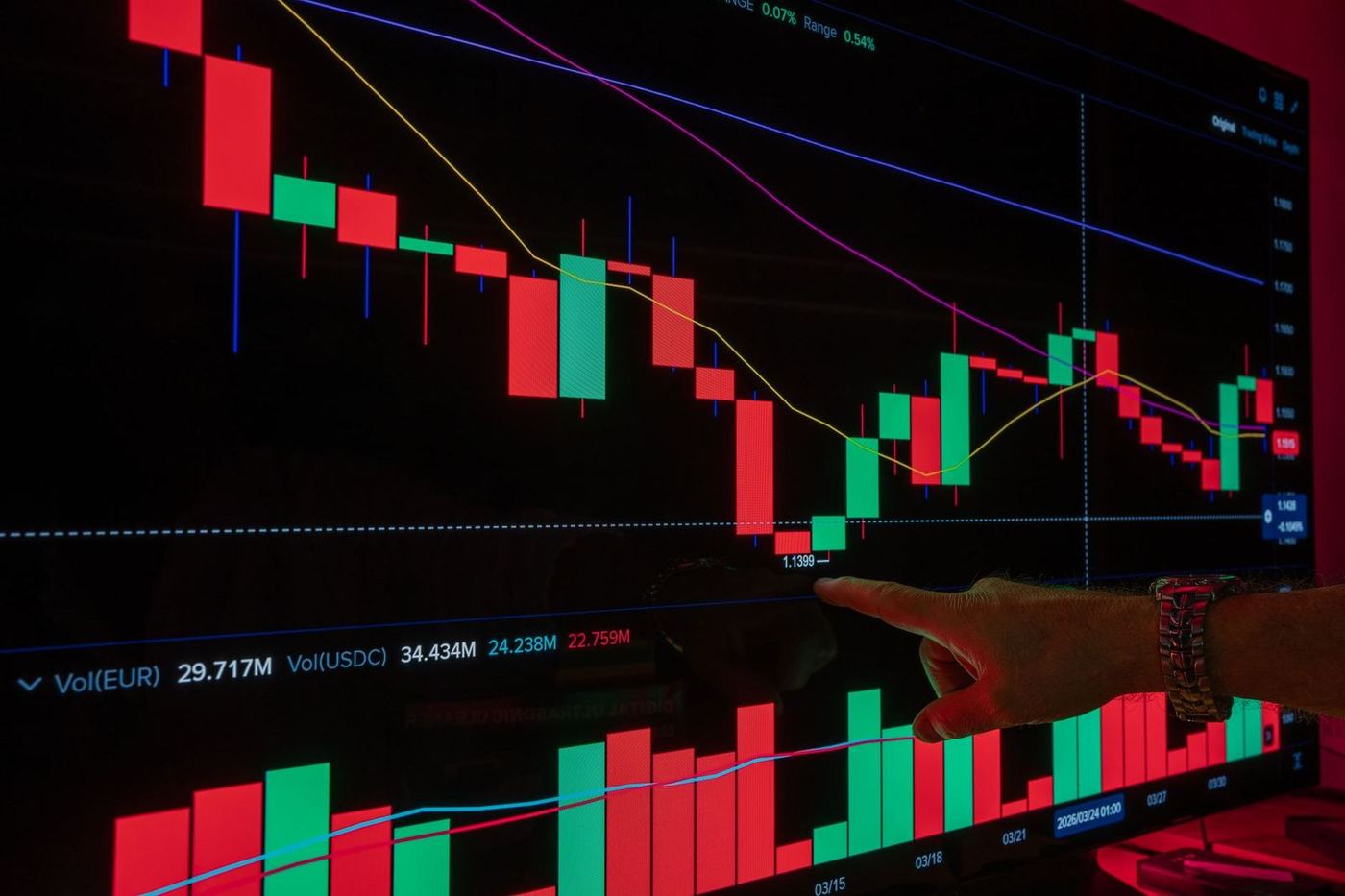
Corporate Margins Decline
India Inc's net profit margin reached a three-year low of 8.7% in the first quarter of fiscal year 2027 (Q1 FY27), a notable drop from 10.4% in Q1 FY26. This decline reflects increasing pressure from an external environment, particularly the West Asia conflict, which has influenced domestic markets from April to September (H1 FY27).
The figure comes from a Mint analysis of standalone results for 2,774 non-banking, financial services, and insurance companies, indicating a squeeze on corporate profitability.
Foreign Capital Shifts
Foreign portfolio investor (FPI) outflows from India almost doubled in H1 FY27, reaching ₹60,847 crore, up from approximately ₹35,000 crore in H1 FY26. National Securities Depository Ltd (NSDL) data shows this capital was largely redirected towards East Asian emerging markets, such as South Korea and Taiwan.
This shift occurred due to a perceived lack of artificial intelligence (AI)-led investment opportunities within India. Consequently, the benchmark Nifty 50 index gained only 3% in H1 FY27, compared with a 6% rise in the prior year's corresponding period.
Oil Prices Squeeze Profitability
The West Asia conflict, now in its seventh month, has significantly impacted energy costs. Brent crude averaged $92 a barrel in H1 FY27, a 35% increase from the $67 average in H1 FY26. This surge in oil prices has expanded India's import bill and intensified inflationary pressures.
Venkatesh Balasubramaniam, managing director and head of research at JM Financial Institutional Securities, anticipates the conflict will further reduce India Inc's operating margins by 100–150 basis points year-on-year in Q2 FY27, driven by higher raw material, fuel, freight, and packaging expenses.
The prolonged external pressures, including the West Asia conflict and persistent US tariffs, are reshaping market expectations. India continues to face an 18% US tariff on exports, with an additional risk of 100% tariffs on Russian oil purchases under the Lindsey O. Graham Sanctioning Russia and Iran Act of 2026.
Uttam Kumar Srimal, deputy head of fundamental research at Axis Direct, suggests that market returns will become increasingly dependent on earnings growth rather than valuation expansion, indicating a more challenging environment for investors in India.
This article is journalism, not investment advice; consult a licensed professional before making financial decisions. Market data is indicative, may be delayed, and should be verified with your broker or exchange before use.
Comments.
Comments are moderated. We remove what is unlawful, abusive or off-topic, and and you remain responsible for what you post.
Reader comments open soon. Until then, corrections and responses go to our newsroom, and we publish what we get wrong on Corrections.