IMF: Asia growth easing to 4.8% in 2026 amid tech boom
The International Monetary Fund projects Asia will contribute 68% of global growth in 2026, shaped by an energy shock, accelerating AI, and trade shifts from tariffs.
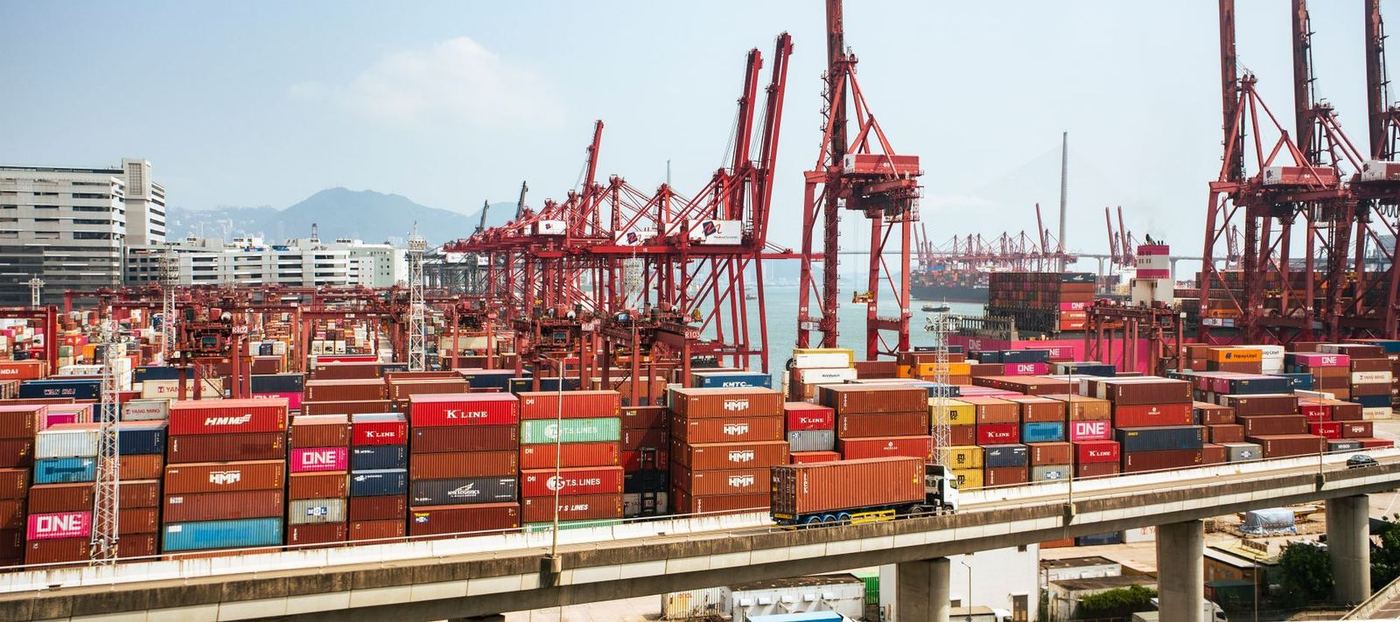
Regional Outlook and Key Drivers
The International Monetary Fund (IMF) forecasts Asia's regional economic growth will decelerate from 5% in 2025 to 4.8% in 2026, further slowing to 4.4% in 2027. This outlook, published on 15 October 2026, projects the region will contribute 68% of global growth.
Three primary forces influence this trajectory: an energy shock that began in February 2025, an accelerating artificial intelligence (AI) boom since mid-2025, and trade disruptions from earlier in 2025 due to increased tariffs, according to the IMF.
Tech and Trade Dynamics
Export growth surged in the first half of 2026, largely driven by technology products. The strong demand for AI infrastructure has significantly boosted semiconductor demand and investment in data centres.
Despite tariff increases, trade has performed better than anticipated, with non-tech exports benefiting from market diversification and robust intra-regional trade, the IMF's Regional Economic Outlook shows. Asia-Pacific's energy reliance accounts for 4% of GDP, with almost 2% imported, and ASEAN's energy intensity stands at 7% of GDP.
Country-Specific Forecasts
Among individual economies, India's growth forecast was upgraded to 7% for the current year, with a medium-term projection of 6.9%. Korea's growth also saw a significant upward revision, disproportionately benefiting from AI via semiconductors and memory/logic chips.
China's forecast for this year was revised to 4.5%, with domestic demand remaining weak and its property sector requiring comprehensive rehabilitation, estimated by IMF staff at about 5% of GDP over three years. Vietnam's forecast was revised up, benefiting from export diversification and foreign direct investment (FDI).
Policy Priorities and Risks
The IMF advises central banks to maintain focus on price stability and clear communication, ready to tighten monetary policy if inflation expectations are unanchored. Fiscal prudence is crucial given public debt levels above pre-pandemic figures, with advanced Asia (excluding Japan) debt projected to rise.
Downside risks include prolonged Middle East tensions, a sharp reversal in AI profitability, and intensifying El Niño-related pressures.
For Asian businesses, these forecasts suggest continued shifts in supply chains towards diversified export markets and sustained investment in AI-related infrastructure, particularly in semiconductor-producing economies like Korea, where the tech boom is a significant driver of economic performance.
This article is journalism, not investment advice; consult a licensed professional before making financial decisions. Market data is indicative, may be delayed, and should be verified with your broker or exchange before use.
Comments.
Comments are moderated. We remove what is unlawful, abusive or off-topic, and and you remain responsible for what you post.
Reader comments open soon. Until then, corrections and responses go to our newsroom, and we publish what we get wrong on Corrections.