ICTSI faces Durban port delays; anchorage times double
Philippine port operator ICTSI reports doubled vessel waiting times at South Africa's Durban Gateway Terminal, affecting its 25-year concession.
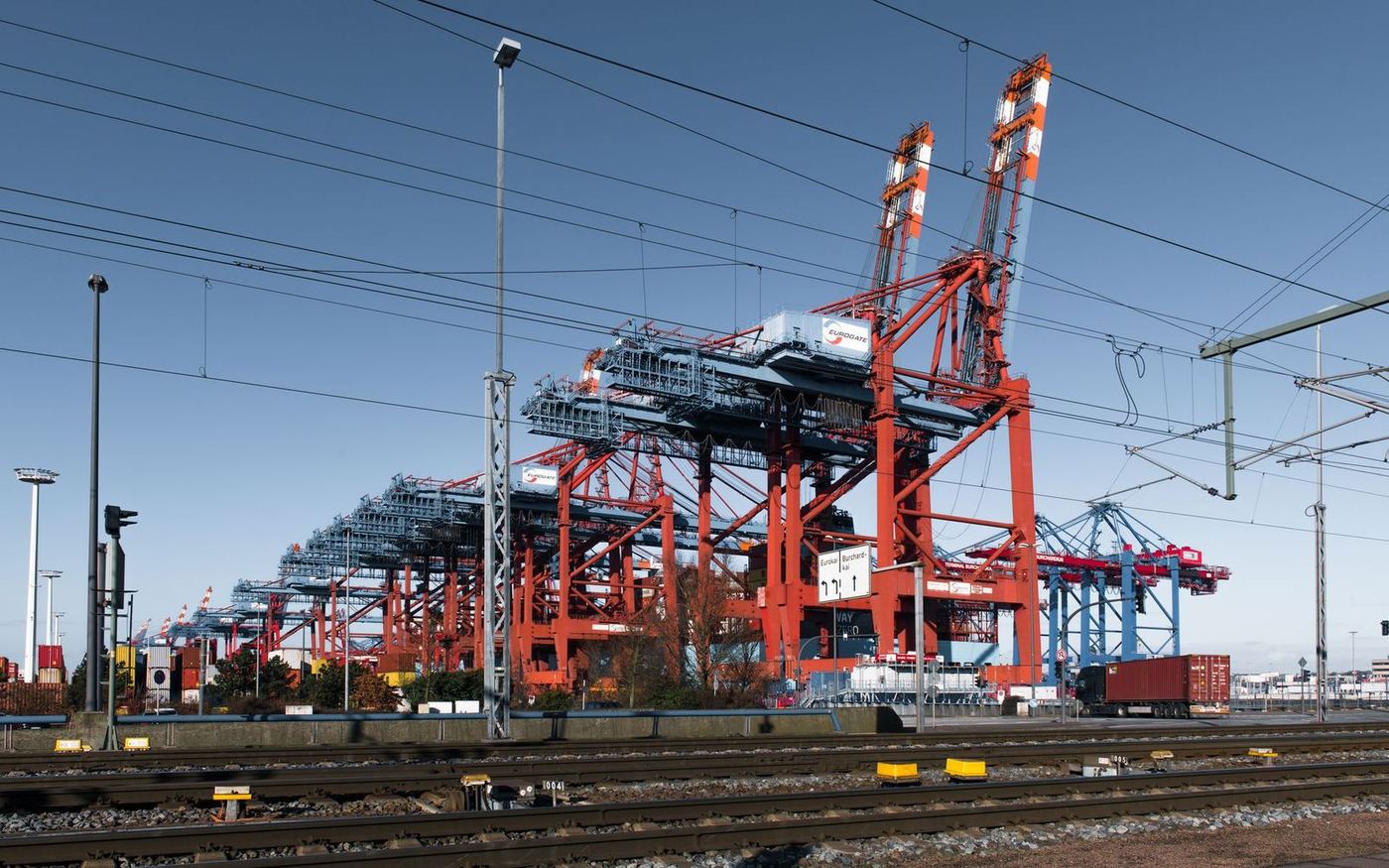
Durban Terminal Faces Severe Congestion
International Container Terminal Services Inc. (ICTSI) is grappling with significant operational challenges at the Durban Gateway Terminal (DGT) in South Africa. Vessel anchorage times at the port have approximately doubled, now extending to almost six days, prompting South Africa's Transport Minister to meet with terminal management.
This disruption weighs on sentiment towards the Philippine port operator, which began managing DGT in January 2026 under a 25-year partnership with state-owned Transnet. The terminal is crucial, handling around 46% of South Africa's total port traffic.
System Transition and Equipment Delays Cited
The primary causes for the current congestion at DGT are attributed to the transition to the Navis N4 system and delays in the refurbishment or replacement of essential port equipment. These issues have reportedly worsened congestion since ICTSI took over operations, with some industry groups noting a material drop in throughput following the Navis system cutover.
Ships have also been observed bypassing Durban, opting for alternative routes or ports due to the extended waiting periods.
Diversified Portfolio Limits Earnings Impact
Despite the operational setbacks, ICTSI's broader financial exposure to Durban is somewhat contained. The company holds a 49% stake in the operating joint venture, with Transnet retaining the majority 51%. Furthermore, ICTSI's global portfolio of port operations is highly diversified.
This diversification means that, according to AB Capital's analysis, the current Durban disruption is unlikely to materially alter the group's overall earnings estimates for the near term, although it presents an immediate execution and reputational risk.
ICTSI itself states the Navis system is now stable, with equipment availability and clearing accumulated backlogs as the remaining bottlenecks.
Focus on Operational Turnaround and Long-Term Goals
The investment case for DGT hinges on ICTSI's ability to transform an inefficient state-run asset into a high-performing terminal. Long-term targets for DGT remain ambitious: capacity is projected to increase from approximately 2.0 million to 2.8 million twenty-foot equivalent units (TEUs), while crane productivity aims to rise from 18 to 28 gross crane moves per hour.
Investors will monitor vessel waiting times, equipment availability, and throughput recovery. A sustained reduction in waiting times to pre-transition levels would signal that the current issues are temporary, affirming ICTSI's execution credibility in this significant new concession.
This article is journalism, not investment advice; consult a licensed professional before making financial decisions. Market data is indicative, may be delayed, and should be verified with your broker or exchange before use.
Comments.
Comments are moderated. We remove what is unlawful, abusive or off-topic, and and you remain responsible for what you post.
Reader comments open soon. Until then, corrections and responses go to our newsroom, and we publish what we get wrong on Corrections.