Brent, WTI Crude Dip: US-Iran Truce Hopes vs. Houthi Attacks
Global oil benchmarks fell on Friday as markets weighed a potential US-Iran agreement against ongoing Houthi attacks on Saudi oil facilities.
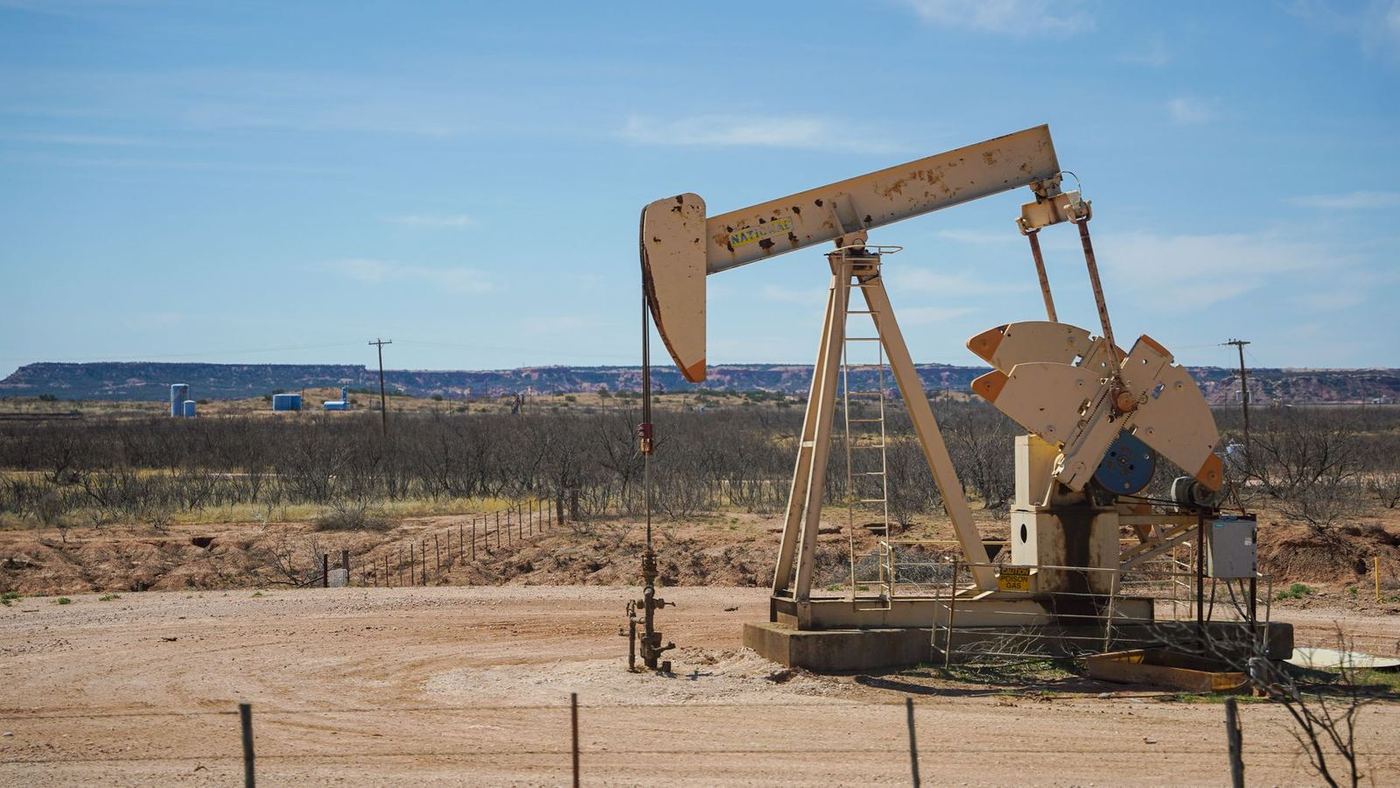
Crude Benchmarks Fall on Friday
Global oil prices declined on Friday as market participants assessed the likelihood of a US-Iran truce against persistent concerns over Middle Eastern supply. Brent crude traded at US$106.20 a barrel by 0821 GMT, a 0.4 per cent drop, or 40 cents. West Texas Intermediate (WTI) fell by 1.1 per cent, or US$1.02, to settle at US$93.59 a barrel.
The week saw Brent gain 2.2 per cent, while WTI recorded a 6.8 per cent loss. This divergence reflects the complex interplay of diplomatic efforts and regional instability affecting energy markets.
Truce Hopes and Supply Disruptions
Negotiators from the United States and Iran are exploring a phased de-escalation path, sources close to the talks revealed this week. This potential agreement includes Tehran reopening the Strait of Hormuz and Washington lifting its economic blockade on Iran, which could increase global oil flows.
Concurrently, Houthi fighters have intensified attacks on Saudi Arabian facilities. The Saudi-led coalition in Yemen reported intercepting six ballistic missiles targeting Taif and Yanbu. Saudi Arabia is increasing crude pumping via its East-West Pipeline to Yanbu, though tanker loadings have not yet resumed, according to industry sources, satellite imagery, and shipping data.
Widening Brent-WTI Price Spread
The spread between Brent and WTI crude reached US$12.59 a barrel, its widest point since May. This bifurcation in prices is largely attributed to fears of a potential US ban on diesel exports, which could flood the domestic market.
Sugandha Sachdeva, founder of SS WealthStreet, a New Delhi-based research firm, noted that Brent's price includes a substantial geopolitical risk premium due to restricted Gulf supplies. In contrast, higher US production and inventories are keeping WTI at a significant discount to Brent.
The fluctuating global oil prices directly impact Asian economies, which are major net importers of crude. A potential US-Iran truce and the subsequent increase in supply from Iran could ease procurement costs for Asian refiners and industrial users.
However, continued attacks on Saudi infrastructure introduce volatility, pushing up insurance premiums for shipping and and potentially disrupting established supply routes for Asian buyers. Erik Meyersson of SEB Research suggested the coming days could be pivotal for the Iran situation, influencing future energy price stability. Asian companies will closely monitor these developments for their effect on energy security and operational expenses.
This article is journalism, not investment advice; consult a licensed professional before making financial decisions. Market data is indicative, may be delayed, and should be verified with your broker or exchange before use.
Comments.
Comments are moderated. We remove what is unlawful, abusive or off-topic, and and you remain responsible for what you post.
Reader comments open soon. Until then, corrections and responses go to our newsroom, and we publish what we get wrong on Corrections.