Chinese Gold Jewellers Target Middle East, India as Domestic Demand Falls 34%
The World Gold Council reports local consumption has dropped, prompting firms to seek new markets with advanced crafting techniques.
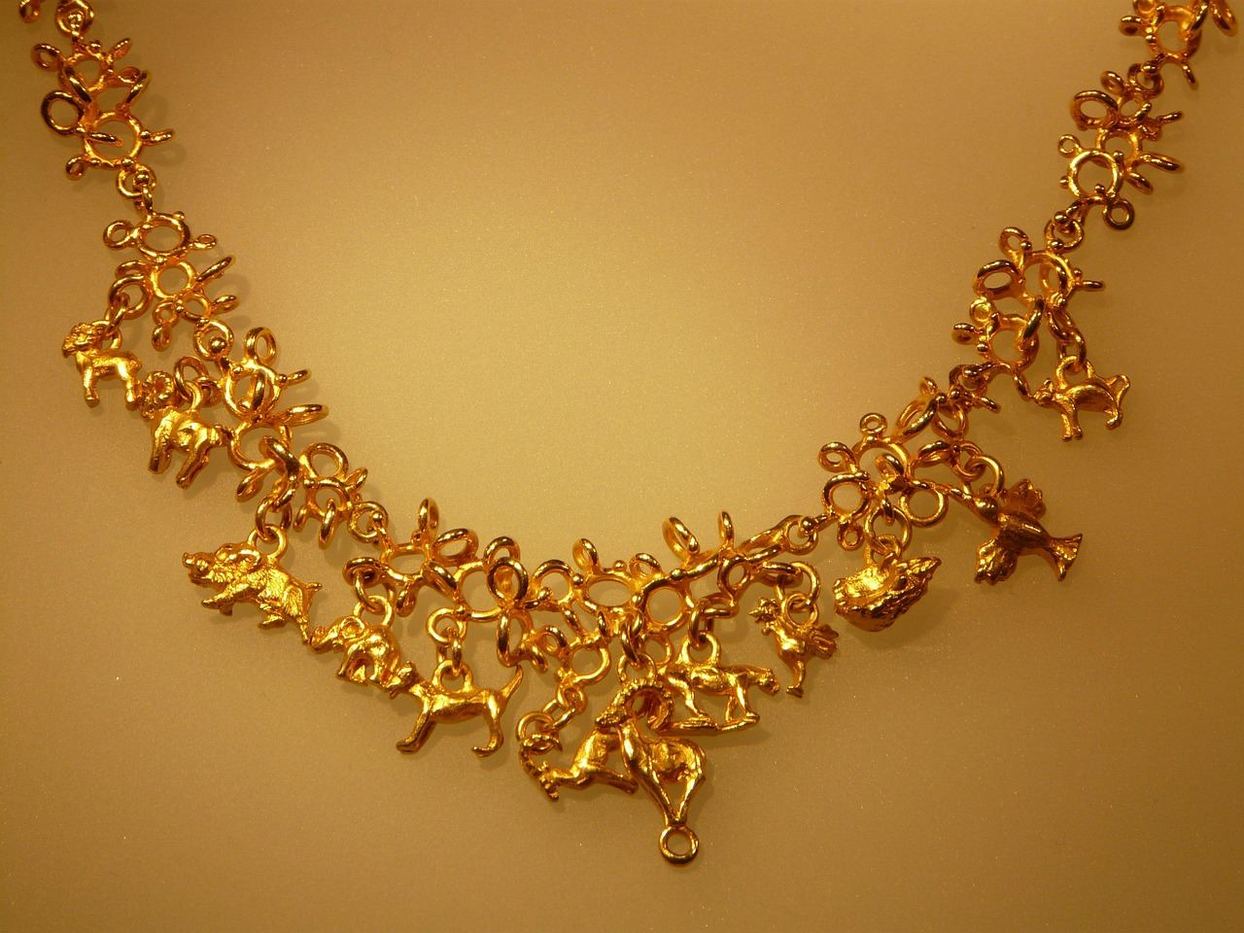
Chinese Gold Jewellers Pivot Abroad Amid Domestic Slump
Chinese gold jewellery manufacturers are increasingly looking towards markets in the Middle East and India, a move driven by a substantial 34% decline in domestic consumption. The World Gold Council (WGC) noted that Chinese firms are also navigating considerable gold price volatility within their home market.
This shift was evident at the most recent Jewellery & Gem World Hong Kong fair, where the majority of visitors were buyers from these two regions, as stated by Wang Lixin, China CEO of the WGC.
Advanced Crafting Attracts New Buyers
The heightened interest from Middle Eastern and Indian buyers stems from a growing demand for innovative jewellery designs, particularly against a backdrop of fluctuating gold prices. Chinese producers have made significant advancements in techniques such as "hard pure gold" crafting.
This method allows for the creation of thinner and harder jewellery pieces without increasing their overall gold weight, offering a distinct competitive advantage.
Leveraging Specialised Techniques for Export Growth
Wang Lixin, China CEO of the World Gold Council, highlighted that consumers in the Middle East and India show a strong preference for inlaid jewellery. He anticipates that Chinese jewellers can effectively utilise their advanced crafting techniques, including the "hard pure gold" method, to cater to this specific demand and secure local buyers in these export markets. This strategic alignment of technology with consumer preferences is key to their international expansion efforts.
This pivot by Chinese gold jewellers signals a potential realignment of supply chains and market focus within the broader Asian gold industry. As Chinese manufacturers increase exports to the Middle East and India, it could intensify competition for local producers and shift trade flows for raw gold.
Investors should monitor demand trends in these key regions, alongside ongoing gold price movements, for indications of future growth opportunities and competitive pressures across the sector.
This article is journalism, not investment advice; consult a licensed professional before making financial decisions. Market data is indicative, may be delayed, and should be verified with your broker or exchange before use.
Comments.
Comments are moderated. We remove what is unlawful, abusive or off-topic, and and you remain responsible for what you post.
Reader comments open soon. Until then, corrections and responses go to our newsroom, and we publish what we get wrong on Corrections.