Pakistan first to deploy China's MAZU AI weather system
Pakistan has adopted China's MAZU artificial intelligence weather system since October 2025, becoming the first nation to use the platform for advanced early warning capabilities and disaster risk reduction. China plans to expand the system to 30 countries over the next five years.
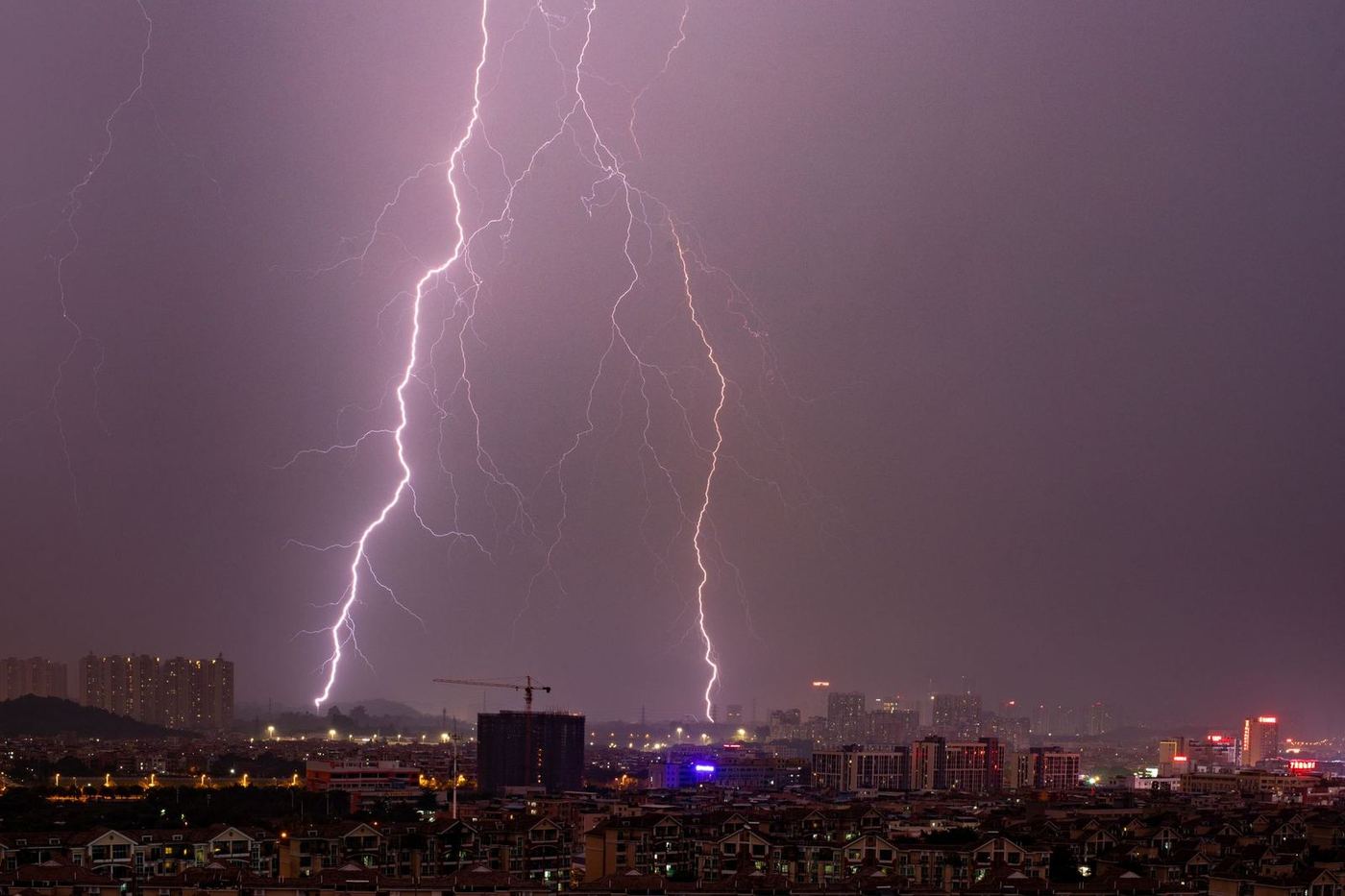
Pakistan adopts Chinese AI for weather forecasting
Pakistan began utilising China's MAZU artificial intelligence (AI) weather forecasting platform in October 2025. This system, developed by the China Meteorological Administration (CMA), aims to enhance Pakistan's early warning capabilities for extreme weather events and reduce disaster risks.
Yin Shengxin, science attaché at the Chinese Embassy in Islamabad, stated that Pakistan is the initial country to implement this innovative solution, developed jointly under a South-South cooperation initiative on climate change. The Pakistan Meteorological Department (PMD) has integrated MAZU alongside existing tools, including satellite data and other weather models.
Global expansion and training initiatives
The MAZU system, named for its 'multi-hazard, alert, zero-gap and universal' capabilities, gained prominence at the July 2026 World Artificial Intelligence Conference in Shanghai. Chinese President Xi Jinping announced during the conference that China intends to offer 5,000 AI training and seminar opportunities to developing nations over the next five years.
This initiative will also enable 30 countries to deploy the MAZU meteorological warning system. Beyond Pakistan, MAZU has already been implemented in Djibouti, Ethiopia, Mongolia, Jordan, Sri Lanka, and the Solomon Islands, with virtual trials supported in over 40 other nations.
Effectiveness relies on local data and response
While MAZU provides faster forecasts, its overall effectiveness hinges on the quality of local data and a country's disaster response capacity, according to climatologists and AI-weather modelling experts.
Imran Khalid of Oxford Policy Management warned that without detailed ground data, AI tools can generate confident local forecasts lacking observational basis, potentially leading to serious consequences.
Zaheer Ahmed Babar, the PMD's chief meteorologist, emphasised that while MAZU aids forecasters in decision-making, reducing losses ultimately depends on how the information is used within a comprehensive disaster management framework.
Early warning systems like MAZU offer a cost-effective method to safeguard lives and assets, particularly as extreme weather increasingly threatens food and energy security. Asim Javid, CEO of AI Geo Navigators, noted the system's value in integrating conventional meteorology, satellite, radar, and ground-station data with AI insights.
For Asian economies, the successful deployment and scaling of such AI tools across diverse geographies, from Pakistan to Sri Lanka, could significantly reduce the economic impact of climate-related disasters, provided there is adequate investment in local data infrastructure and coordinated national response strategies.
This article is journalism, not investment advice; consult a licensed professional before making financial decisions. Market data is indicative, may be delayed, and should be verified with your broker or exchange before use.
Comments.
Comments are moderated. We remove what is unlawful, abusive or off-topic, and and you remain responsible for what you post.
Reader comments open soon. Until then, corrections and responses go to our newsroom, and we publish what we get wrong on Corrections.