China Cosco adds capacity, routes for supply chain resilience
The country's largest ocean carrier, China Cosco Shipping Holdings, is implementing an emergency response system to counter geopolitical and climate disruptions.
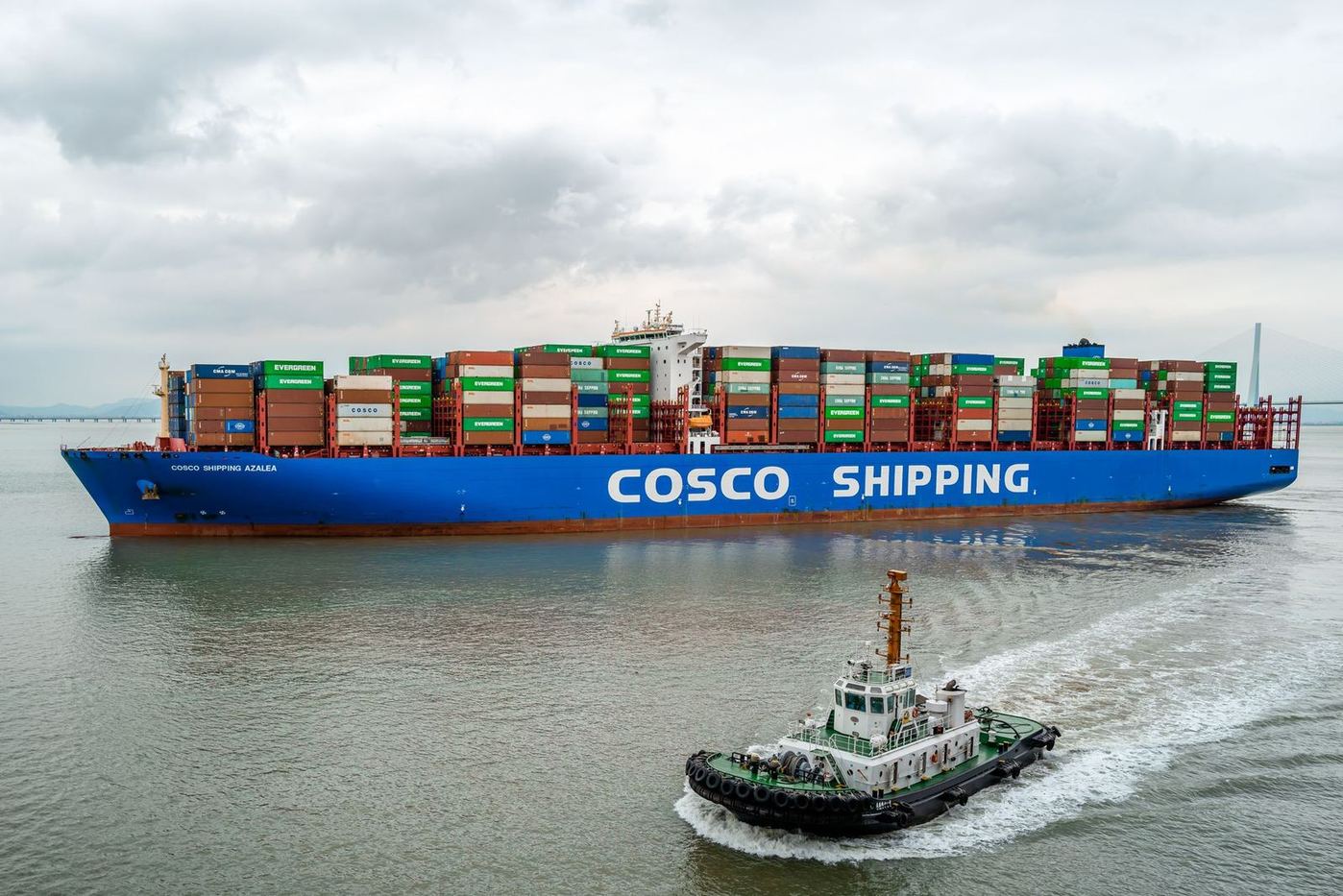
Cosco Bolsters Supply Chain Resilience
China Cosco Shipping Holdings, the nation's largest ocean carrier, is significantly enhancing its operational resilience. The company is rolling out an emergency response system specifically designed to counter mounting geopolitical conflicts, persistent infrastructure bottlenecks, and severe climate-related disruptions.
This strategic move aims to fortify its extensive supply chains, ensuring they can withstand a diverse range of potential shocks, according to chairman Wan Min.
Expanding Capacity and Trade Routes
As a core component of this resilience initiative, Cosco is introducing fresh shipping capacity and establishing new trade routes. Chairman Wan Min articulated that this expansion is crucial for ensuring the company's global logistics network can endure unforeseen challenges.
He delivered these remarks at the North Bund Summit, a significant shipping industry conference convened in Shanghai on Tuesday, 20 October 2026.
Diversifying Against Global Risks
Wan Min underscored the importance of not restricting resilience to a single route, advocating for a diversified approach. His statement reflects a wider industry trend of re-evaluating traditional shipping lanes and investing in alternative pathways.
This strategy aims to minimise the impact of regional conflicts and extreme weather on cargo movement, thereby maintaining predictability for clients.
Cosco's proactive strategy highlights heightened concerns among Asian businesses regarding the stability of global supply chains. Companies relying on maritime freight will monitor how these newly diversified routes and increased capacity influence shipping costs and transit times across the region.
This move could encourage other major carriers operating in Asia to similarly re-evaluate their networks, potentially reshaping regional logistics planning and investment in new trade corridors.
This article is journalism, not investment advice; consult a licensed professional before making financial decisions. Market data is indicative, may be delayed, and should be verified with your broker or exchange before use.
Comments.
Comments are moderated. We remove what is unlawful, abusive or off-topic, and and you remain responsible for what you post.
Reader comments open soon. Until then, corrections and responses go to our newsroom, and we publish what we get wrong on Corrections.