Bangladesh Secures US$3.3 Billion Energy Funding, Taps ITFC for Fuel
The emergency package includes US$3.1 billion for oil and gas imports this fiscal year, with the International Islamic Trade Finance Corp playing a key role, alongside US$200 million from the Asian Development Bank for grid repairs.
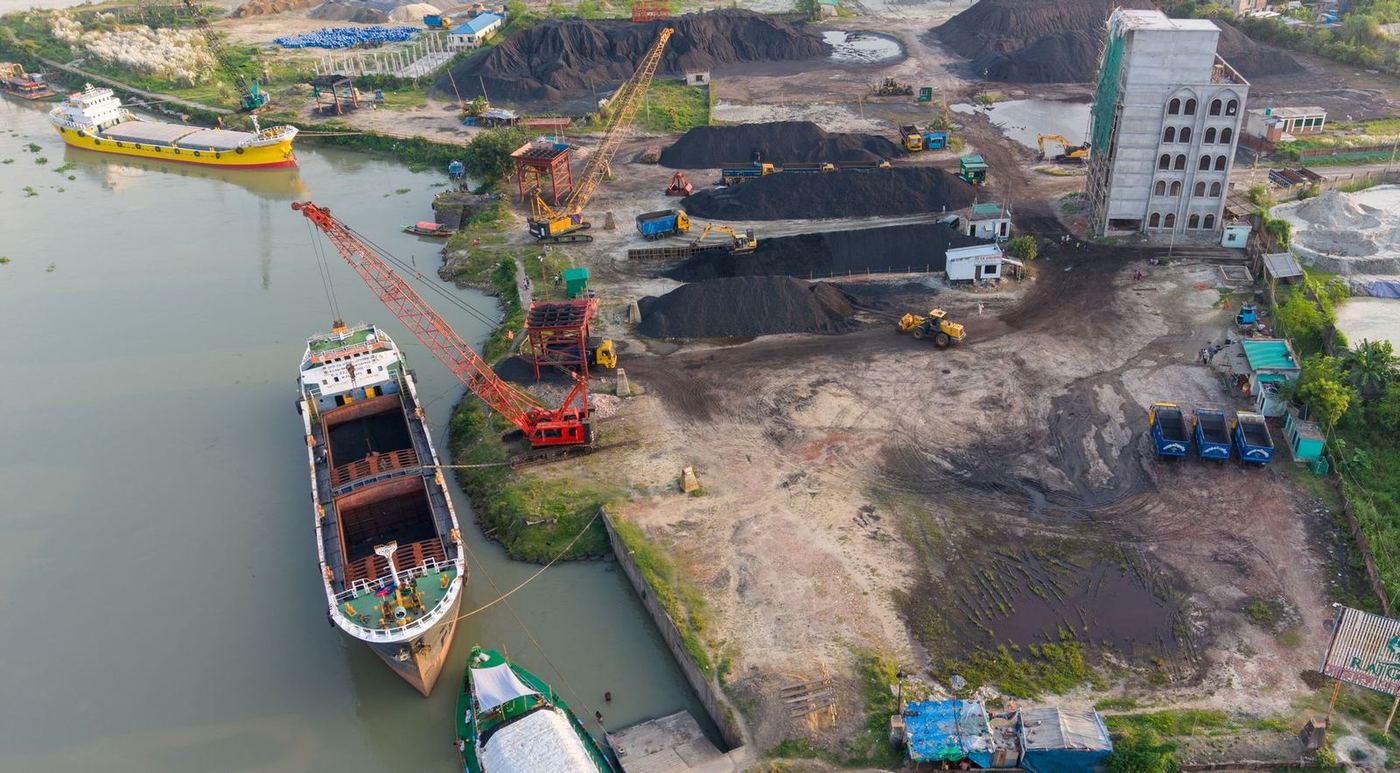
Bangladesh's Emergency Energy Package
Bangladesh's government recently approved an emergency energy package valued at US$3.3 billion. This funding primarily addresses the nation's immediate energy needs, with US$3.1 billion allocated specifically for oil and gas imports during the current fiscal year.
The remaining US$200 million, provided by the Asian Development Bank (ADB), will support a five-year initiative to upgrade the electricity grid. These repairs target the rapidly urbanising areas around Dhaka, where prolonged power outages, sometimes lasting over 12 hours, have led to public discontent.
The overall package heavily relies on the International Islamic Trade Finance Corp (ITFC) for its financing and expertise.
ITFC's Role in Fuel Imports
The International Islamic Trade Finance Corp (ITFC) has become a crucial financing source for countries struggling to afford energy imports. This trend is particularly evident as global energy prices remain elevated; Brent crude has exceeded US$100 a barrel for most of the past month, and diesel prices are more than double that figure.
David Fickling, writing for Bloomberg Opinion, observed that cash-strapped nations increasingly utilise ITFC to cover their petroleum import costs. The multilateral bank's involvement helps these economies manage the financial strain of high fuel prices, preventing more severe crisis conditions.
Rising Development Finance for Fossil Fuels
The growing reliance on institutions like ITFC underscores a broader shift in development finance, where assistance is directed towards helping nations pay for fossil fuels. This approach enables countries to sustain energy supplies despite their inability to meet the high costs independently.
The US$3.3 billion package for Bangladesh exemplifies this trend, with the vast majority of funds dedicated to immediate fuel procurement rather than long-term energy transition projects. Such financing mechanisms are becoming a fast-growing segment within development aid, particularly for economies facing significant energy deficits.
This pattern of emergency financing for fossil fuel imports holds implications for other Asian economies grappling with high energy prices. Nations with limited foreign exchange reserves or strained budgets may increasingly turn to multilateral lenders like ITFC or ADB to stabilise their energy supply chains.
For businesses operating in these regions, consistent energy availability, even if sustained by external financing, can mitigate operational disruptions from power cuts. This trend suggests that Asian economies facing similar energy cost pressures may see a continued reliance on traditional fuel sources, potentially delaying their transition to renewables.
Businesses reliant on stable power supplies should monitor national energy financing strategies, as these decisions will influence future energy mix and infrastructure development across the region.
This article is journalism, not investment advice; consult a licensed professional before making financial decisions. Market data is indicative, may be delayed, and should be verified with your broker or exchange before use.
Comments.
Comments are moderated. We remove what is unlawful, abusive or off-topic, and and you remain responsible for what you post.
Reader comments open soon. Until then, corrections and responses go to our newsroom, and we publish what we get wrong on Corrections.