Asia-Pacific Hotel Investment Hits US$8 Billion in H1 2026, CBRE Says
Capital flows into regional hotel assets climbed 21 per cent year-on-year in the first six months, driven by strong travel demand and constrained new supply across the region.
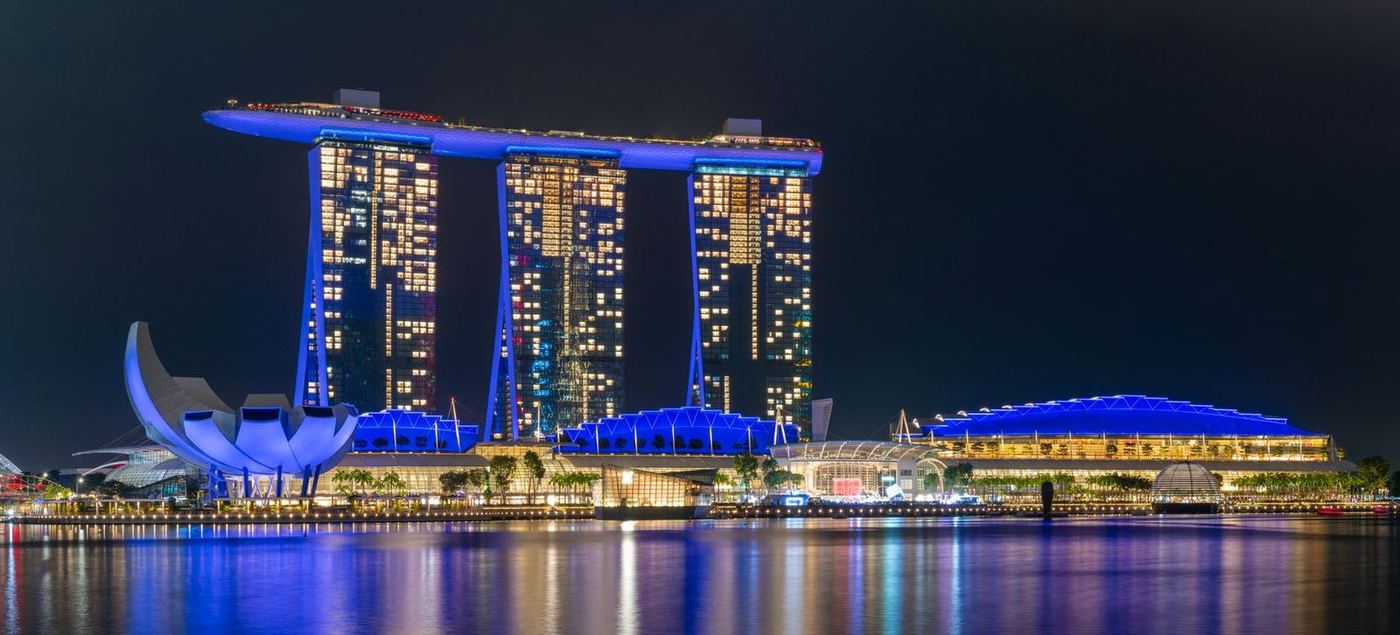
Capital Inflows Rise in First Half
Investment in Asia-Pacific hotel assets reached US$8 billion during the first six months of this year, according to property consultancy CBRE. This figure represents a 21 per cent increase compared to the same period a year earlier. The rising capital flows show growing investor interest in the region's hospitality sector.
CBRE noted a significant uptick in activity across various markets, signalling sustained confidence in hotel properties.
Demand Outpaces New Supply
Strong consumer willingness to travel, combined with limited new hotel developments, supported both operational performance and asset values. Steve Carroll, CBRE's head of hotels and hospitality for Asia-Pacific, stated that hotels have become a highly compelling real estate investment sector.
Japan, mainland China, and South Korea attracted the most substantial investment during this period, reflecting their appeal to both travellers and capital.
Higher borrowing costs could moderate investment activity in some markets during the second half of this year. However, investor interest remains concentrated in areas demonstrating vigorous growth and positive supply-demand fundamentals. Opportunities may persist in established tourism hubs like Tokyo and Seoul, where strong demand continues to outpace new room additions. These markets offer a clearer path to returns despite potential interest rate pressures.
This article is journalism, not investment advice; consult a licensed professional before making financial decisions. Market data is indicative, may be delayed, and should be verified with your broker or exchange before use.
Comments.
Comments are moderated. We remove what is unlawful, abusive or off-topic, and and you remain responsible for what you post.
Reader comments open soon. Until then, corrections and responses go to our newsroom, and we publish what we get wrong on Corrections.