AirAsia's Fernandes denies Malaysia sought rivals' help
The low-cost carrier faces surging fuel costs and a 75 per cent stock plunge since the Iran war began, but CEO Tony Fernandes says it needs no rescue.
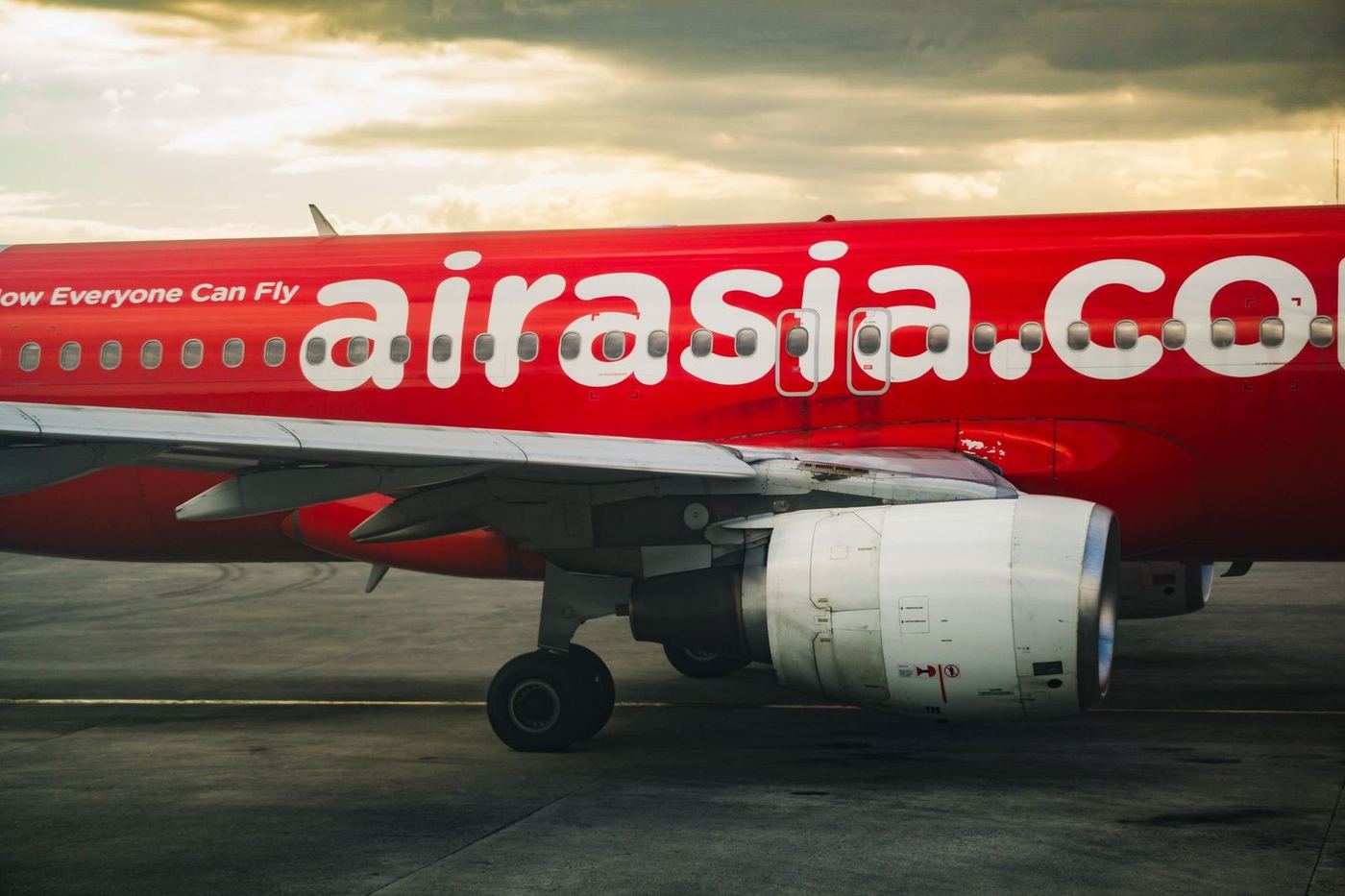
Fernandes Refutes Government Intervention
Tony Fernandes, co-founder of AirAsia, Southeast Asia's largest low-cost airline, has dismissed claims that the Malaysian government approached rival carriers for assistance. Speaking in Bangkok on Friday (September 18), Fernandes called reports "ludicrous" that authorities had asked Malaysia Airlines and Batik Air to absorb AirAsia's 60 per cent domestic market share.
He asserted that the government had denied making such requests. These reports emerged as officials monitor AirAsia's financial health, particularly amid rising jet fuel prices. Fernandes maintained that AirAsia does not require a bailout and has never received government support in its 25-year history.
Soaring Fuel Costs Hit Performance
AirAsia's financial position has been challenged by a significant spike in jet fuel prices, exacerbated by the ongoing Iran war. The carrier reported a 66 per cent increase in fuel costs during the second quarter compared to the prior quarter, reaching an average of US$183 a barrel, with no hedging in place.
This has contributed to a challenging period, including its largest quarterly loss in four years during August. Since the conflict began, AirAsia's stock has fallen approximately 75 per cent, accelerating by 24 per cent this week to its lowest point since December 2022 following the market reports. The airline has also divested six new aircraft since early 2025, two of which were sold in July.
Refinancing and Liquidity Efforts
Despite these challenges, Fernandes expressed confidence in AirAsia's financial strength, citing "strong liquidity." As of the end of June, the airline held 954 million ringgit (US$233 million) in cash and equivalents against current liabilities of 18.4 billion ringgit.
AirAsia is actively seeking to raise over US$1 billion by December or January, primarily to refinance existing debt. This includes advancing discussions for up to US$1 billion from international debt markets and 700 million ringgit in local credit facilities.
The company is also in talks with a major global bank for a bond transaction and is reviewing a US$1 billion funding offer from a Middle Eastern investor, awaiting better terms.
Fernandes compared the current situation favourably to the Covid-19 pandemic, which he described as "far, far worse," noting that demand for flights remains strong with an 80 per cent load factor in the third quarter and robust bookings for the fourth quarter.
Malaysia’s finance ministry, however, has engaged Alton Aviation Consultancy to evaluate AirAsia’s funding requirements, indicating government awareness of the airline’s economic importance.
Investors will watch for successful completion of its refinancing efforts and any impact on regional air travel capacity and pricing, particularly as AirAsia adjusts fares to reflect higher fuel costs.
This article is journalism, not investment advice; consult a licensed professional before making financial decisions. Market data is indicative, may be delayed, and should be verified with your broker or exchange before use.
Comments.
Comments are moderated. We remove what is unlawful, abusive or off-topic, and and you remain responsible for what you post.
Reader comments open soon. Until then, corrections and responses go to our newsroom, and we publish what we get wrong on Corrections.