ADB lifts South Korea's 2026 growth forecast to 3.2%
The Manila-based development bank cited strong exports and corporate earnings, largely driven by the artificial intelligence boom, for its upward revision.
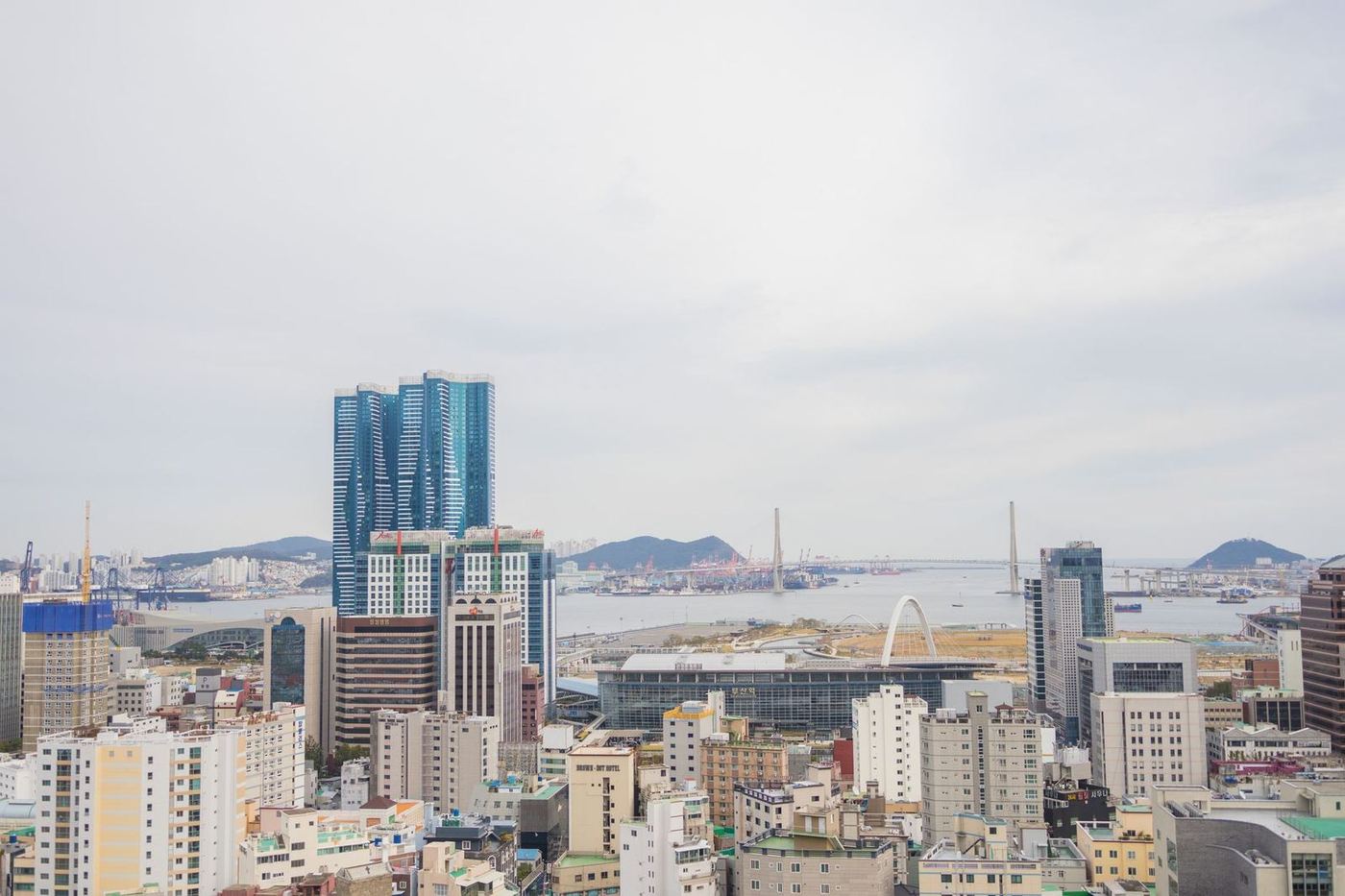
South Korea's Economic Outlook Revised Upwards
The Asian Development Bank (ADB) on Wednesday increased its economic growth projection for South Korea in 2026, raising it to 3.2 percent, up 0.6 percentage points from the 2.6 percent forecast in July. The Manila-based institution also adjusted its 2027 outlook for Asia's fourth-largest economy, moving it up by 0.3 percentage point to 2.3 percent.
The ADB attributed these revisions primarily to strong export performance and solid corporate earnings, boosted by the global demand for artificial intelligence (AI) technologies. Earlier, the bank had projected 2026 growth rates of 1.9 percent in April and 2.6 percent in July.
Drivers of Growth and Domestic Demand
The ADB explained that South Korea's expanding exports are a key factor, particularly amid the surging worldwide appetite for AI chips. Domestically, the nation's expansionary fiscal policies, combined with healthy corporate profitability, are gradually fuelling a recovery in private consumption.
This combination of external demand for high-tech components and strengthening internal spending underpins the improved economic prospects. The bank's assessment suggests a resilient economic trajectory.
Inflation Projections Remain Steady
Regarding inflation, the ADB maintained its July forecast for South Korea, predicting consumer prices will likely climb by 2.7 percent year-on-year in 2026. For 2027, the development bank also kept its inflation outlook unchanged at 2.2 percent.
The ADB noted that government initiatives aimed at moderating consumer price increases are expected to partially counteract inflationary pressures. These pressures stem from higher global energy costs and strengthening domestic demand.
Other Forecasts and Potential Headwinds
Other institutions have also issued their own projections for South Korea's 2026 economic expansion. In July, the Ministry of Finance and Economy revised its forecast to 3 percent, a 1 percentage-point increase from its previous outlook, citing the semiconductor supercycle.
The state-run Korea Development Institute (KDI) in August similarly raised its 2026 growth expectation to 3.2 percent, up from an earlier 2.5 percent. However, the ADB cautioned about potential risks including rising geopolitical tensions, increased volatility in global financial markets, and further US tariff hikes, which could affect exports and investment.
The upgraded growth forecasts from the ADB, Ministry of Finance and Economy, and KDI signal sustained economic momentum for South Korea, particularly in export-driven sectors. Companies involved in semiconductor manufacturing, especially those supplying AI-related components, can anticipate continued strong demand.
The projected recovery in private consumption, supported by fiscal policy, suggests opportunities for domestic consumer-facing businesses. Investors should monitor the impact of potential US tariff adjustments on trade flows and watch for any escalation in geopolitical tensions, which could introduce volatility.
This article is journalism, not investment advice; consult a licensed professional before making financial decisions. Market data is indicative, may be delayed, and should be verified with your broker or exchange before use.
Comments.
Comments are moderated. We remove what is unlawful, abusive or off-topic, and and you remain responsible for what you post.
Reader comments open soon. Until then, corrections and responses go to our newsroom, and we publish what we get wrong on Corrections.