Vietnam Shifts FDI Strategy to Boost Local Supply Chains
Deputy Finance Minister Tran Quoc Phuong announced on October 8 that Vietnam will now select foreign investment partners based on their ability to enhance domestic capabilities.
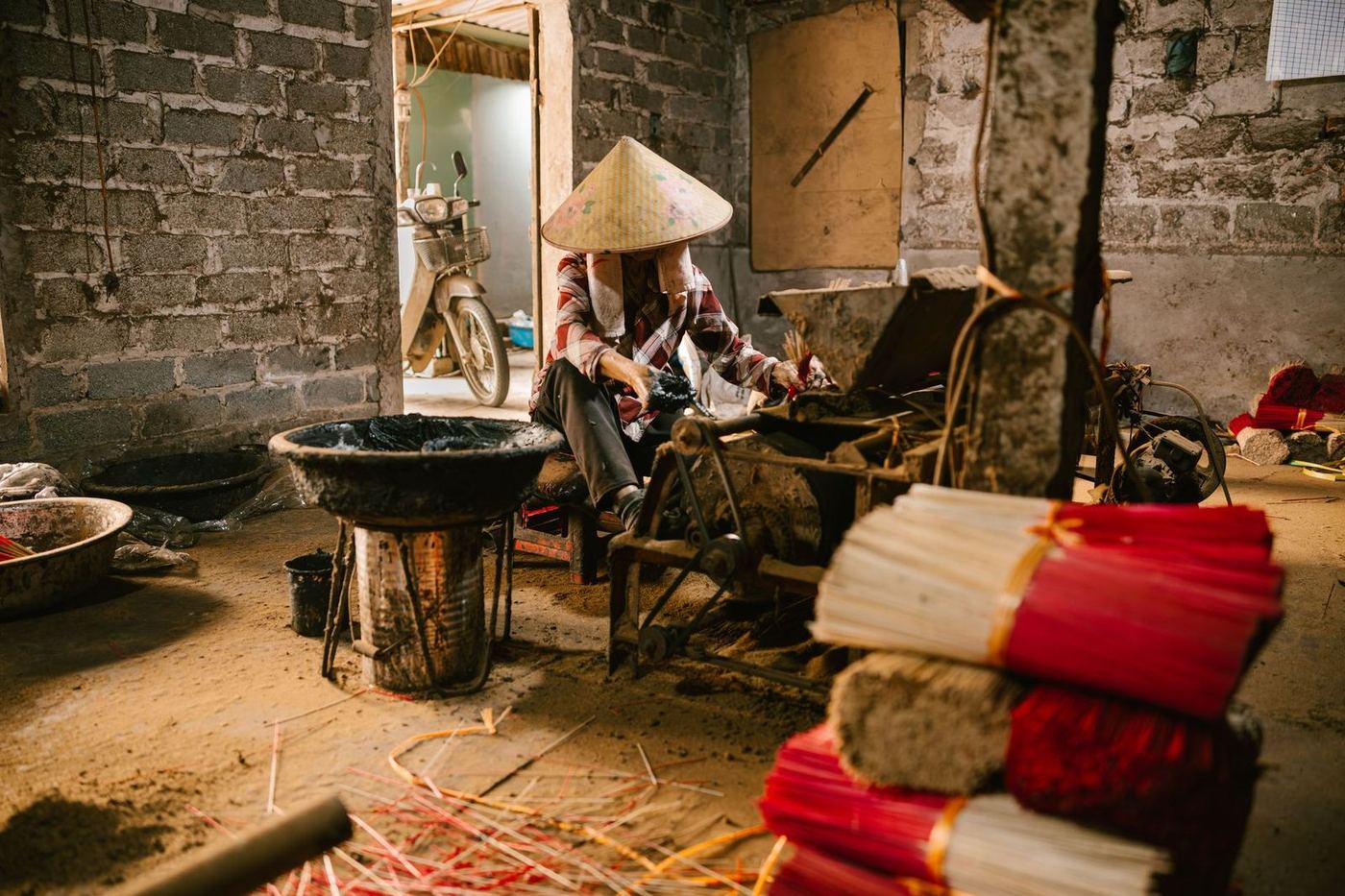
Vietnam's New FDI Approach
Vietnam is fundamentally altering its foreign direct investment (FDI) strategy, moving away from attracting capital "at any cost". Deputy Finance Minister Tran Quoc Phuong stated on October 8, 2026, that the nation will now prioritise investment partners capable of strengthening domestic capabilities, improving productivity, and enhancing technological capacity.
This shift aims to increase Vietnam's competitiveness and reinforce its position within global value chains. The new direction follows the Politburo's Resolution No. 10-NQ/TW, issued on June 8, 2026, which outlines the development of the foreign-invested economic sector.
Local Firms Face Integration Hurdles
Despite significant FDI inflows, many Vietnamese businesses remain largely disconnected from international supply chains. Domestic suppliers face challenges including high production costs, limited capital access, technological gaps, and small operational scales.
Truong Thi Chi Binh, Vice Chairwoman and Secretary General of the Vietnam Association for Supporting Industries (VASI), highlighted high industrial land rents, reaching $90-100 per square metre annually in areas surrounding Hanoi.
Combined with elevated bank interest rates, these costs make manufacturing a difficult sector, with bank deposits potentially yielding 10% annually, often surpassing manufacturing profit margins.
Investor Perspectives on Value-Add
Jackson Woo, General Director of SGS Vietnam, noted that FDI should serve as a catalyst for developing Vietnam's domestic supply chain capabilities. He emphasised the importance of helping local small and medium-sized enterprises (SMEs) integrate into international production networks.
Kamudo Hiroki, Deputy General Director and Head of the FDI-TB Division at VPBank, added that while competitive labour costs and a favourable manufacturing environment remain important, investors increasingly view Vietnam as a long-term platform for resilient supply chains, capital, talent, innovation, and sustainable growth, rather than solely a low-cost base.
This strategic pivot means foreign investors seeking to enter or expand in Vietnam must now demonstrate clear plans for local value creation and integration. Companies that can facilitate technology transfer and build robust links with domestic suppliers will find favour.
For Vietnamese manufacturers, the policy offers a clearer pathway to deeper engagement with global supply chains, though the underlying challenges of high operating costs, such as industrial land rents and interest rates, persist. The focus shifts from sheer volume of FDI to its qualitative impact on the domestic economy.
This article is journalism, not investment advice; consult a licensed professional before making financial decisions. Market data is indicative, may be delayed, and should be verified with your broker or exchange before use.
Comments.
Comments are moderated. We remove what is unlawful, abusive or off-topic, and and you remain responsible for what you post.
Reader comments open soon. Until then, corrections and responses go to our newsroom, and we publish what we get wrong on Corrections.