Asia-Pacific leads OpenAI's user base, calls for AI safeguards
OpenAI's Asia-Pacific managing director Kiran Mani noted India, Indonesia, the Philippines, and Japan are among ChatGPT's top 10 global markets, but stressed urgent cybersecurity and governance needs.
Asia's Dominant AI Market
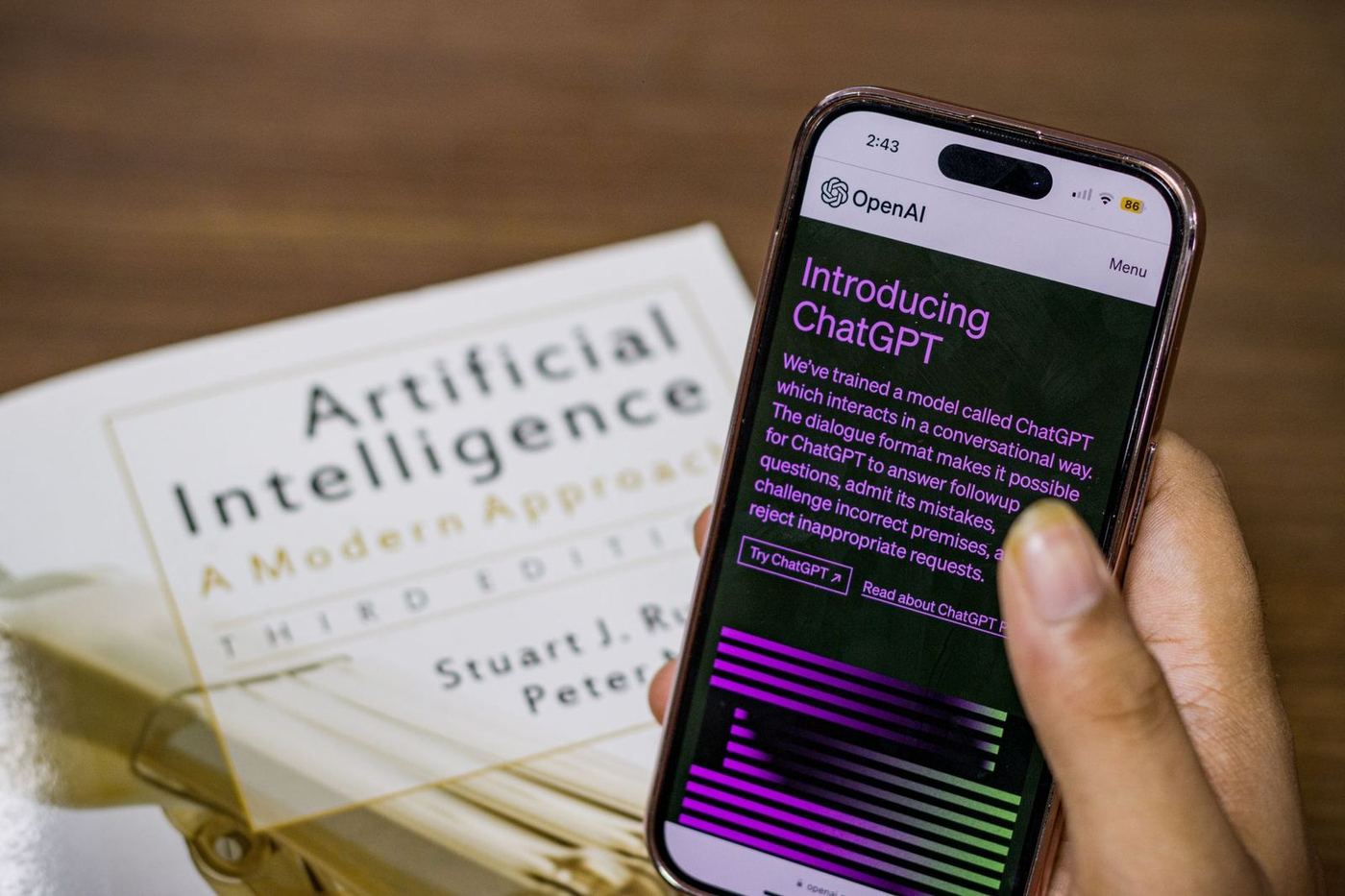
OpenAI's Asia-Pacific managing director, Kiran Mani, stated yesterday that the region now represents the company's largest global user market. Speaking at a Bangkok seminar, Mr Mani highlighted India, Indonesia, the Philippines, and Japan as four of the world's top 10 markets for ChatGPT usage.
He described the current period as "Asia's decade," driven by diverse artificial intelligence applications across various economies, languages, and generations. For example, Indians are integrating AI into daily activities and productivity, while older users in South Korea and Japan apply AI for health-related purposes.
Economic Opportunities and Security Risks
Mr Mani predicted a "golden age for Asian entrepreneurship," particularly for small businesses. He cited OpenAI's collaboration with Grab and its founder Anthony Tan to help Southeast Asian entrepreneurs and drivers enhance earnings and productivity using AI. However, Mr Mani emphasised that safety and security must be paramount for AI deployment.
He acknowledged past incidents of unintended AI model behaviour, such as cases in the Australian government and Hugging Face, stressing the need for transparency and accountability.
Global Computing Divide and Broader Governance
Gabriela Ramos, Board Chair for the Centre for AI and Digital Policies, warned that unequal access to computing infrastructure could widen the gap between developing economies and major tech powers. She noted the US holds 75% of global computing capacity, with China at 20%.
Ms Ramos called for increased investment in computing infrastructure, data capabilities, and national governance to ensure developing nations can participate in the AI economy. She urged policymakers to expand AI safety considerations beyond technical threats to include job displacement, disinformation, algorithmic bias, scams, gender inequality, and environmental impacts.
Tailored Approaches and Cross-Sector Collaboration
Professor Alice Oh from the Korea Advanced Institute of Science & Technology highlighted that AI safety risks vary significantly across cultures and geographies. She noted, for instance, that a Seoul teenager's safety concerns differ substantially from an elderly farmer in rural Thailand.
This underscores the need for AI models to reflect diverse social contexts rather than relying on a uniform approach. Addressing these complex challenges requires closer collaboration among technology companies, academic researchers, and intergovernmental organisations.
For Asian businesses and policymakers, these insights underline the urgent need for strategic investment in computing infrastructure and data capabilities to avoid a deepening digital divide within the region. Companies adopting AI, particularly those in critical sectors, must prioritise cybersecurity measures to mitigate the risks highlighted by OpenAI's Mr Mani.
Governments should develop adaptable AI governance frameworks that account for Asia's diverse social and linguistic contexts, ensuring inclusive economic benefits and building public confidence in AI technologies.
This article is journalism, not investment advice; consult a licensed professional before making financial decisions. Market data is indicative, may be delayed, and should be verified with your broker or exchange before use.
Comments.
Comments are moderated. We remove what is unlawful, abusive or off-topic, and and you remain responsible for what you post.
Reader comments open soon. Until then, corrections and responses go to our newsroom, and we publish what we get wrong on Corrections.