Vietnam Fuel Prices Fall Amid Global Shifts, New Trading Rules Proposed
E10 RON95 gasoline dropped 4.35% to VND27,020 per litre on Thursday, as the Ministry of Industry and Trade advances a decree allowing fuel businesses to set their own prices.
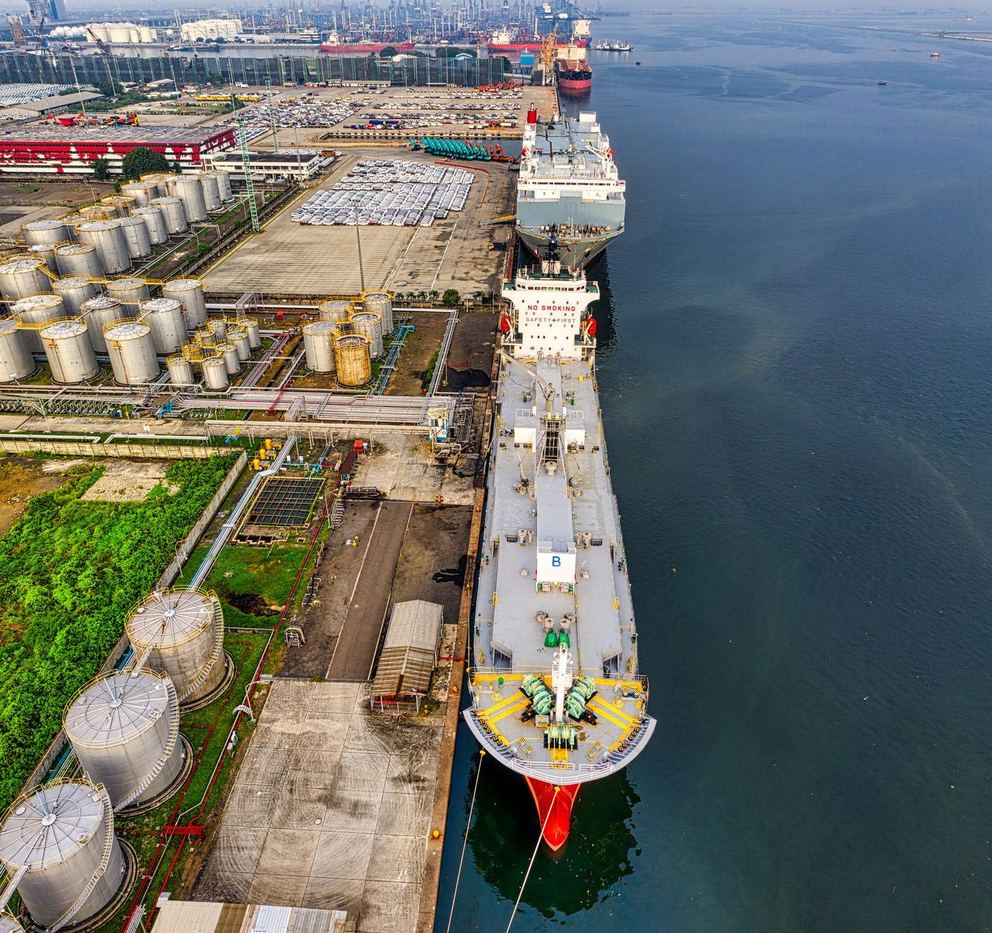
Vietnam Fuel Prices Decline
Vietnam's gasoline and diesel prices fell on Thursday, 15 October 2026, influenced by broader global market trends. The popular E10 RON95 fuel saw a 4.35% reduction from a week ago, settling at VND27,020 (US$1.04) per litre. E5 RON92 also decreased by 2.64% to VND26,970 per litre. Diesel prices experienced a marginal dip of 0.07%, reaching VND29,100 per litre. These adjustments reflect a general decline in international fuel markets, as noted by the relevant ministries.
Global Market Influences
Vietnam's Ministry of Industry and Trade and the Ministry of Finance attributed the domestic price changes to recent global fuel market dynamics. Key factors included an agreement on Russian diesel exports to the US, which affected global supply expectations.
Furthermore, OPEC issued a revised, downward forecast for its oil demand growth for 2026, indicating softer global consumption. Global RON 95 gasoline prices dropped 5.4% to $145.7 a barrel, while diesel fell 1.1% to $165.1 a barrel. Fuel oil, however, increased 7.1% to $771 a metric ton.
Proposed Fuel Trading Reforms
The Ministry of Industry and Trade is finalising a draft decree designed to overhaul Vietnam's fuel trading regulations. The proposed changes would grant fuel businesses the autonomy to calculate and determine their own selling prices. This marks a significant departure from the current system, where the government announces price caps every seven days.
The draft aims to foster greater competition within the market and give more flexibility to fuel distributors by reducing the number of intermediaries in the supply chain.
Market Restructuring and Transparency
Under the draft decree, major fuel traders would be required to publicly announce new prices at least 30 minutes before they take effect, specifying the exact hour and minute. This measure intends to enhance market transparency and prevent premature price increases or delayed reductions.
The Ministry also proposes tightening supply capacity requirements for major traders, mandating a minimum annual total supply of 300,000 cubic metres or metric tons. This is part of an effort to restructure the market and ensure adequate fuel supplies across Vietnam.
The So-What for Businesses
For businesses operating in Vietnam, these impending regulatory changes could introduce greater price volatility but also allow for more responsive pricing to global market shifts. Fuel distributors may gain increased flexibility in managing their margins, while consumers could experience more dynamic pricing at the pump.
The stricter supply capacity requirements for major traders could consolidate the market, affecting smaller players and potentially influencing investment in logistics and storage infrastructure. Companies reliant on fuel for transport or operations should prepare for more frequent price adjustments than the current weekly cycle.
This article is journalism, not investment advice; consult a licensed professional before making financial decisions. Market data is indicative, may be delayed, and should be verified with your broker or exchange before use.
Comments.
Comments are moderated. We remove what is unlawful, abusive or off-topic, and and you remain responsible for what you post.
Reader comments open soon. Until then, corrections and responses go to our newsroom, and we publish what we get wrong on Corrections.