Vietnam Adjusts Fuel Prices: Gasoline Rises, Diesel Falls
Vietnam's Ministry of Industry and Trade and Ministry of Finance announced varied fuel price adjustments on Thursday. Gasoline costs increased, while diesel prices saw a reduction. Global market shifts drove these changes.
Domestic Price Revisions
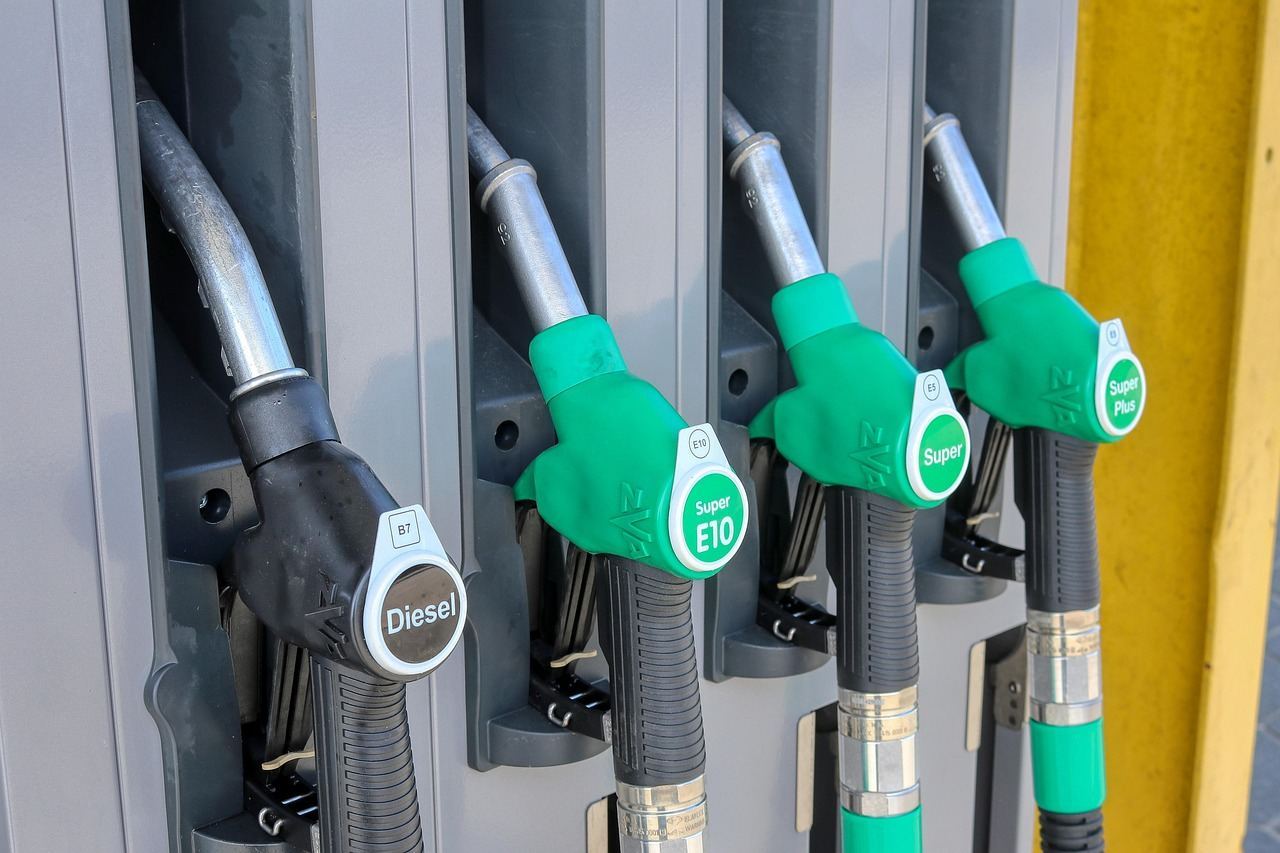
Vietnam adjusted domestic fuel prices on Thursday, with gasoline increasing and diesel decreasing. The Ministry of Industry and Trade and the Ministry of Finance jointly announced these changes. RON95 gasoline climbed 2.96% from a week prior, reaching VND23,270 (US$0.89) per litre. E5 RON92 also gained 3.31%, now priced at VND22,480.
Conversely, diesel prices dropped 1.21%, settling at VND27,740. These revisions reflect global petroleum market movements.
Global Market Drivers
Global petroleum market developments influenced Vietnam's latest fuel price adjustments. The Ministry of Industry and Trade and the Ministry of Finance cited the ongoing US-Iran conflict and persistent disruptions to oil shipments through the Strait of Hormuz. These geopolitical factors affected international crude benchmarks. The price of RON 95 crude barrels rose 4% to $121. Meanwhile, diesel crude barrels saw a 1.1% decline, trading at $154.70.
Regional Price Disparity
Despite the recent increases, Vietnam's gasoline prices remain considerably lower than those in neighbouring countries. The ministries reported that Vietnamese gasoline costs are 18% to 97% below regional averages. Specifically, gasoline in Cambodia and Thailand costs 18% and 27% more, respectively.
China's gasoline prices are 41% higher than Vietnam's, while Laos shows a substantial 97% difference. This regional disparity may influence cross-border trade and consumer purchasing patterns.
These fuel price adjustments will directly affect operational costs for Vietnamese businesses. Higher gasoline prices will increase expenses for transport, logistics, and consumer-facing sectors. This could translate into modest inflationary pressure on goods and services.
Conversely, the diesel price reduction offers some relief for heavy industry, freight companies, and agricultural operations. For investors, monitoring these domestic price shifts provides insight into potential impacts on corporate margins and consumer spending power within Vietnam's economy.
This article is journalism, not investment advice; consult a licensed professional before making financial decisions. Market data is indicative, may be delayed, and should be verified with your broker or exchange before use.
Comments.
Comments are moderated. We remove what is unlawful, abusive or off-topic, and and you remain responsible for what you post.
Reader comments open soon. Until then, corrections and responses go to our newsroom, and we publish what we get wrong on Corrections.