Vietnam Fuel Prices Climb on Global Factors, Remain Regionally Cheaper
Vietnam's gasoline and diesel prices rose on Thursday, reflecting higher global fuel costs. Despite the increase, domestic prices hold a significant discount against neighbouring markets.
Domestic Fuel Costs Adjust Upwards
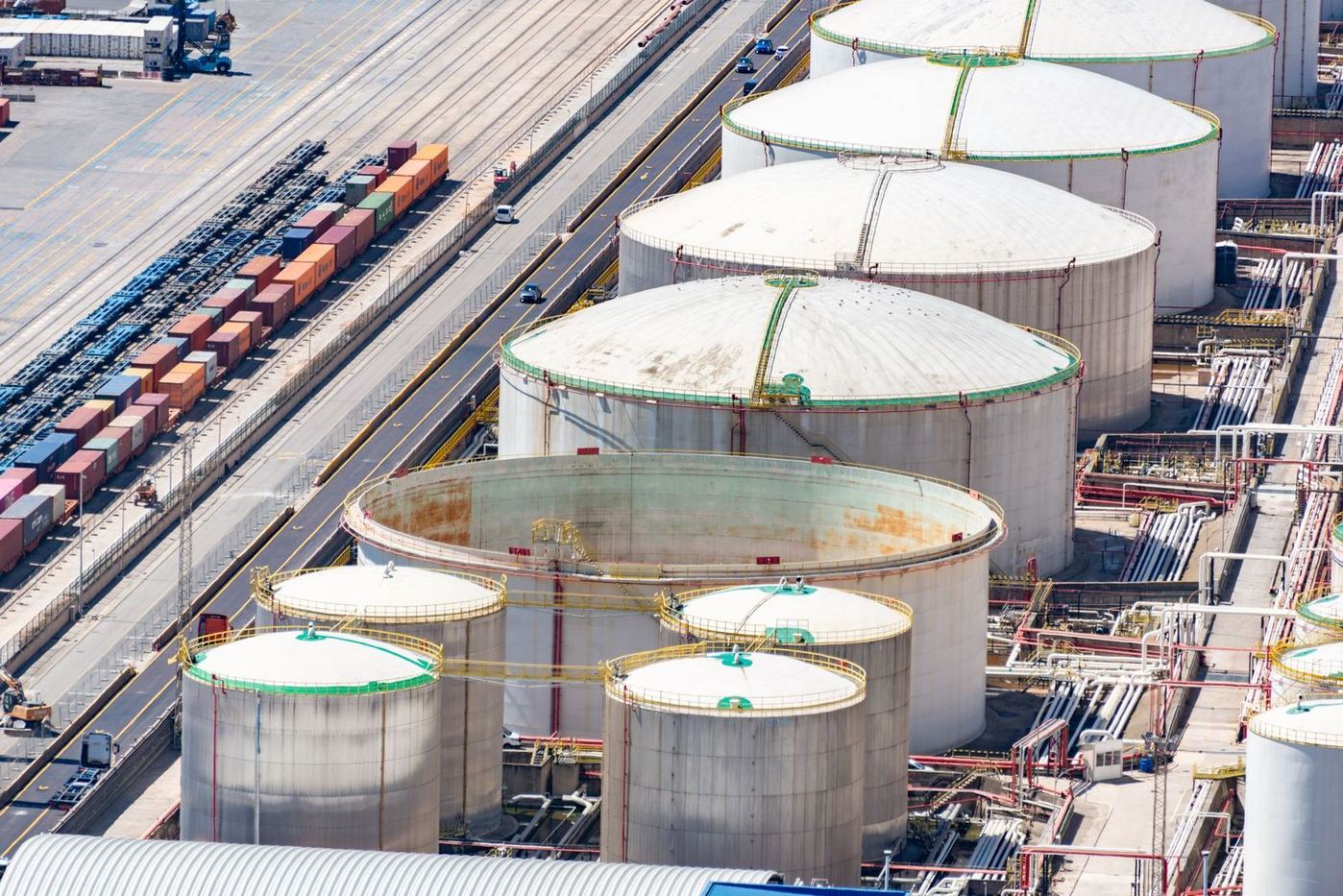
Vietnam's fuel prices rose on Thursday, 20 August 2026, in line with global market movements. E10 RON9 gasoline increased 2.49%, reaching VND22,660 (US$0.87) per litre. E5 RON92 added 2.83% to VND21,830 per litre. Diesel saw the largest jump, increasing 4.81% to VND28,540 per litre. These adjustments mark a direct response to rising international crude benchmarks.
Global Tensions Drive International Benchmarks
Global oil prices grew over the past seven days, influenced by events in the Middle East. The Ministry of Industry and Trade and the Ministry of Finance noted developments in US-Iran peace negotiations and ongoing disruptions to oil shipments through the Strait of Hormuz.
Tensions also grew after the United Arab Emirates suspended all trade and financial transactions with Iran, adding pressure to fuel prices. RON95 barrel prices rose 4.4% to $116.6, while diesel increased 6.1% to $160.3 a barrel.
Vietnam Maintains Regional Price Advantage
Despite the recent increases, Vietnam's gasoline prices remain considerably lower than those in neighbouring countries. Domestic prices are 15% cheaper than in Cambodia and 23% lower than in Thailand. Compared to China, Vietnamese fuel costs are 29% less. The most significant price difference shows against Laos, where Vietnam's gasoline is 50% cheaper. This regional pricing structure offers a competitive advantage for local businesses.
The rise in domestic fuel prices will directly affect operational costs for Vietnamese businesses, particularly in logistics and manufacturing sectors. While the increases reflect global trends, Vietnam's sustained regional price advantage helps mitigate the impact on its export competitiveness.
Companies operating within Vietnam benefit from comparatively lower input costs for transportation and energy, potentially drawing further foreign direct investment (FDI) seeking cost efficiencies in Southeast Asia. This pricing differential is a key factor for regional supply chain decisions.
This article is journalism, not investment advice; consult a licensed professional before making financial decisions. Market data is indicative, may be delayed, and should be verified with your broker or exchange before use.
Comments.
Comments are moderated. We remove what is unlawful, abusive or off-topic, and and you remain responsible for what you post.
Reader comments open soon. Until then, corrections and responses go to our newsroom, and we publish what we get wrong on Corrections.