Vietnamese Carriers Halve Singapore, Thailand Airfares Amid Capacity Surge
Fares from Vietnam to Singapore and Thailand have fallen by half. This follows a surge in flight capacity from Vietnamese carriers, coupled with muted overseas travel demand.
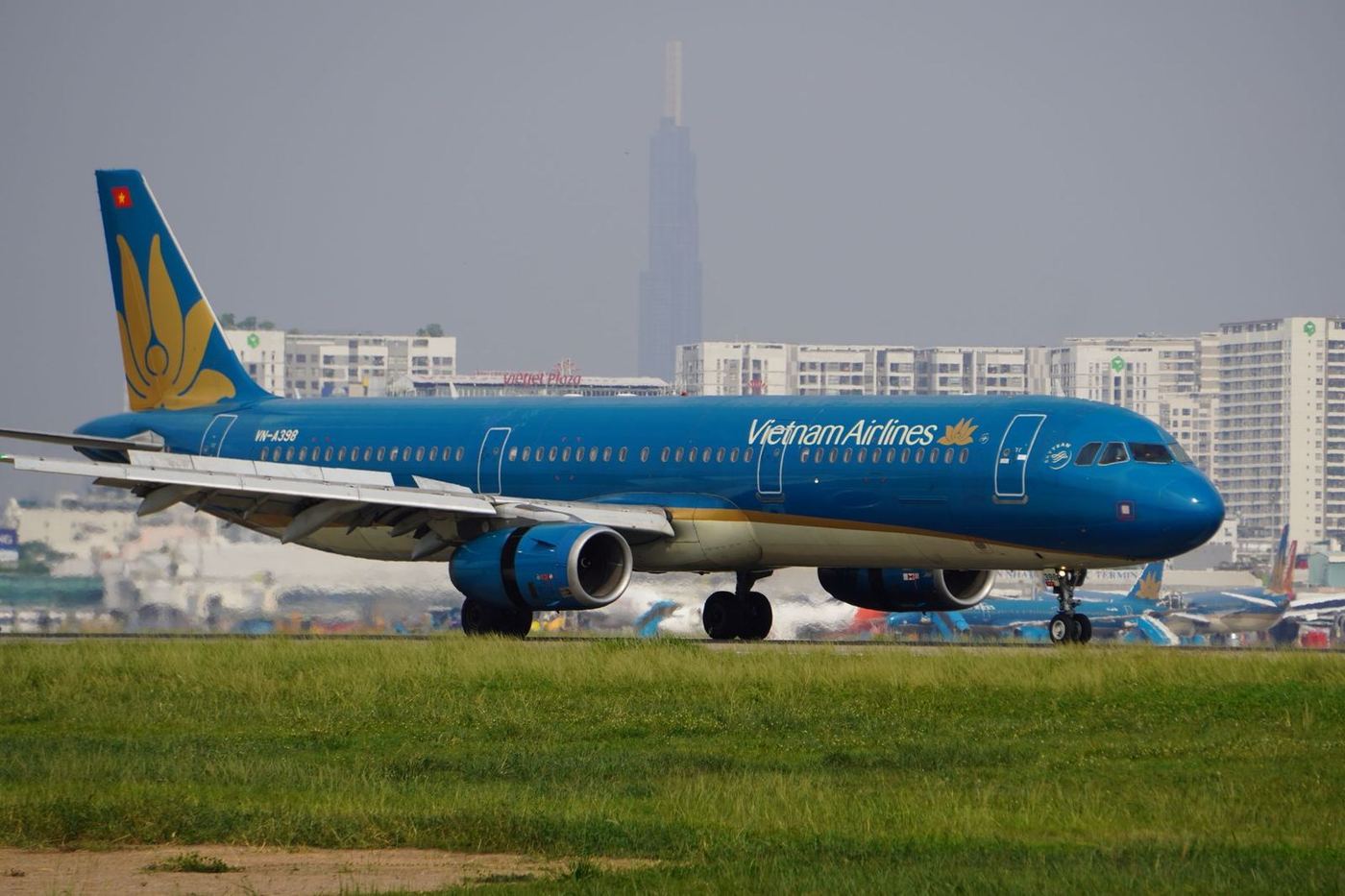
Fares drop 50% on key routes
Vietnamese carriers have halved international airfares to Singapore and Thailand this year. Prices are now 50% lower than last year. A one-way ticket from Ho Chi Minh City (HCMC) to Singapore now costs around VND1.6 million (US$122). This compares to VND3.2 million in 2025. Fares for HCMC–Bangkok flights start at VND1.9 million.
These price drops mark the lowest levels since the Covid-19 pandemic, according to a HCMC traveller. Fares from HCMC to Jakarta also declined to VND6.3 million. This follows previous prices between VND7–10 million. Flights from Hanoi and HCMC to Europe and Northeast Asia show 10–15% price reductions from 2025.
Capacity expands sharply
A rapid increase in capacity by Vietnamese airlines drives this competition. British aviation data provider OAG reported Vietnam will offer 7.3 million available seats in August. This marks a 10% increase from August 2025. Vietnam now ranks second in Southeast Asia for seat capacity, trailing only Indonesia. Vietnam Airlines contributes 2.8 million seats to this total.
Vietjet Air adds another 2.2 million seats. Airlines have also increased flight frequencies on several international routes. New routes are also launching. Vietjet, for example, raised its HCMC–Kuala Lumpur frequency to seven flights weekly. This is for the peak travel season.
Muted demand, fuel tax relief
Increased supply and intense airline competition are key reasons for cooling international airfares. Hong Thanh, an airline ticket agency owner in HCMC, confirmed these factors. Muted demand for overseas travel this year also contributes to lower prices. Fuel costs have also declined. The government reduced preferential import tariffs and environmental protection taxes.
Value-added tax policies on gasoline and aviation fuel also saw cuts. These measures, effective until September 30, help lower airline operating costs. Vietjet will launch new routes, including HCMC–Colombo on August 18. Hanoi–Almaty and Hanoi–Prague routes will follow in October.
The significant drop in Vietnamese airfares creates immediate cost advantages for regional business travellers. It also benefits leisure tourists. This competitive pricing pressure will likely persist as capacity outstrips demand. Regional carriers must balance market share gains against profitability concerns.
Airlines may need to sustain lower margins or find new revenue streams. The government's fuel tax relief offers temporary cost support. However, long-term profitability will depend on demand recovery. This situation could spur further route expansion or consolidation among carriers. It also influences consumer spending patterns across Southeast Asia.
This article is journalism, not investment advice; consult a licensed professional before making financial decisions. Market data is indicative, may be delayed, and should be verified with your broker or exchange before use.
Comments.
Comments are moderated. We remove what is unlawful, abusive or off-topic, and and you remain responsible for what you post.
Reader comments open soon. Until then, corrections and responses go to our newsroom, and we publish what we get wrong on Corrections.