Oil Climbs on Hormuz Fears, WTI Nears US$91
Crude benchmarks advanced for a third session, driven by heightened concerns over energy flow interruptions through the Strait of Hormuz. West Texas Intermediate (WTI) gained 5.2% on Tuesday, its largest increase in five weeks.
Crude Benchmarks Advance
Oil prices advanced for a third consecutive session, reflecting increased concerns about potential disruptions to energy flows via the Strait of Hormuz. West Texas Intermediate (WTI) crude approached US$91 a barrel. This followed a 5.2% surge for WTI on Tuesday, marking its most significant daily gain in five weeks. Brent crude, the international benchmark, settled near US$95.
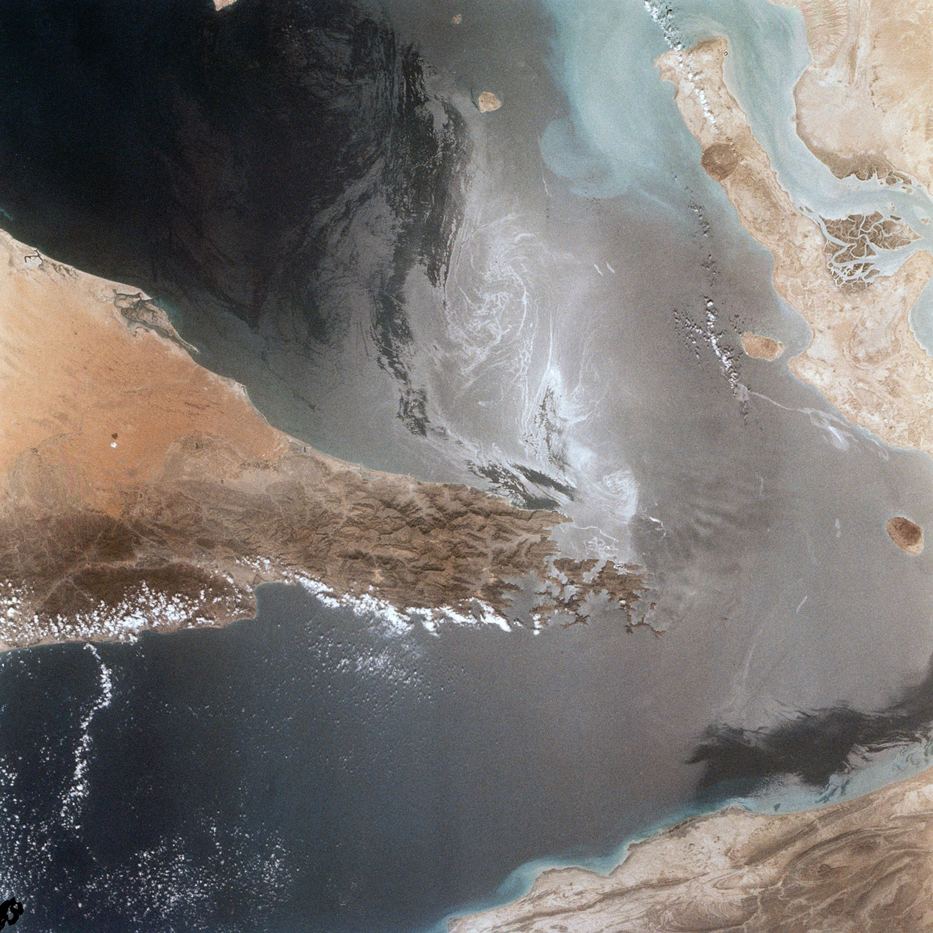
Prior to the Iran war, the Strait of Hormuz handled approximately one-fifth of global oil and liquefied natural gas (LNG) shipments, underscoring its critical role in energy supply.
Risk Premium Drives Prices
Saul Kavonic, a senior energy analyst at MST Marquee, noted that "rapid escalatory changes over the last 36 hours" are pushing oil prices higher. He explained that a "risk premium" is now being priced into the market. This premium accounts for the potential for further disruptions through the strait or attacks on broader oil infrastructure.
Crude prices recorded a marginal gain last month. However, they remain more than 30% higher since the war began in late February.
Broader Energy Market and Inventories
Refined products, including diesel, have seen even sharper rallies. This reflects the combined impact of the Middle East conflict and the ongoing war between Russia and Ukraine. Threats to shipping in the Persian Gulf remain elevated. Some crude exports from the region are reportedly using tankers with disabled transponders to avoid detection.
Separately, the industry-funded American Petroleum Institute (API) reported a 2.6 million barrel decline in US crude inventories last week. Official data confirming this would mark the first such decrease in five weeks.
The sustained rise in crude prices and elevated shipping risks directly impact Asian economies. Businesses across the region face higher energy input costs, affecting manufacturing, transportation, and logistics. Supply chains relying on Middle Eastern crude or refined products may see increased freight insurance premiums and longer transit times.
Companies should monitor inventory levels and potential supply diversification strategies. Any further escalation in the Strait of Hormuz would directly translate into higher operating expenses for Asian industries.
This article is journalism, not investment advice; consult a licensed professional before making financial decisions. Market data is indicative, may be delayed, and should be verified with your broker or exchange before use.
Comments.
Comments are moderated. We remove what is unlawful, abusive or off-topic, and and you remain responsible for what you post.
Reader comments open soon. Until then, corrections and responses go to our newsroom, and we publish what we get wrong on Corrections.