US House to Vote on Bill Curbing Data Centre Power Costs
US lawmakers plan to advance legislation next week aimed at controlling rising electricity bills driven by expanding data infrastructure, a move that could influence energy policy for hyperscale facilities.
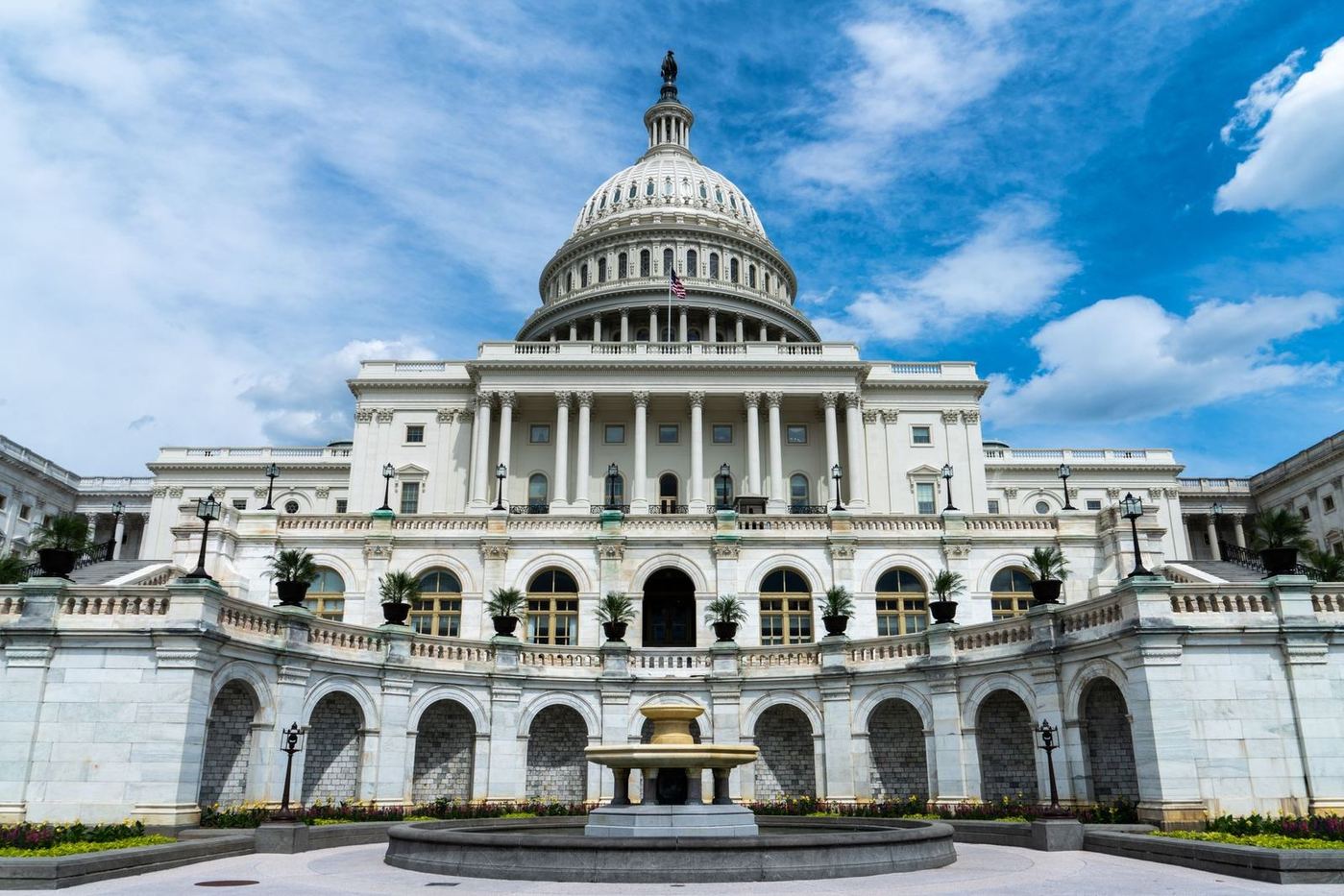
US Lawmakers Target Data Centre Energy Bills
Republican lawmakers intend to bring the Ratepayer Protection Act to the House floor for a vote next week. This proposed legislation seeks to curb increases in electricity costs directly linked to the rapid expansion of data centres across the country.
A spokesperson for Speaker Mike Johnson confirmed the schedule on Thursday, 9 September, with a vote planned before the upcoming midterm elections. Government officials nationwide face increasing pressure to prevent the substantial power demands of data centres from being passed on to residential consumers.
Data Centre Growth and Power Demand
The surge in data centre construction, particularly for artificial intelligence and cloud computing, has significantly amplified electricity consumption across the United States. This growing demand places strain on existing power grids and contributes to higher utility rates for both businesses and households.
The proposed Ratepayer Protection Act directly responds to this trend, aiming to mitigate the financial impact on consumers. The legislative effort in the US highlights a broader challenge for economies balancing digital infrastructure expansion with energy affordability.
Asia's rapidly expanding digital economy also relies heavily on data centre growth, mirroring the US trend in escalating energy consumption. Major economies such as Singapore, Malaysia, and Indonesia are seeing substantial investment in hyperscale facilities.
This US legislative action could foreshadow similar regulatory scrutiny on electricity pricing and energy sourcing for data centres across the Asian region. Developers and operators in these markets may need to factor in potential policy shifts aimed at managing consumer energy costs, potentially influencing future investment in power infrastructure and data centre development.
This article is journalism, not investment advice; consult a licensed professional before making financial decisions. Market data is indicative, may be delayed, and should be verified with your broker or exchange before use.
Comments.
Comments are moderated. We remove what is unlawful, abusive or off-topic, and and you remain responsible for what you post.
Reader comments open soon. Until then, corrections and responses go to our newsroom, and we publish what we get wrong on Corrections.